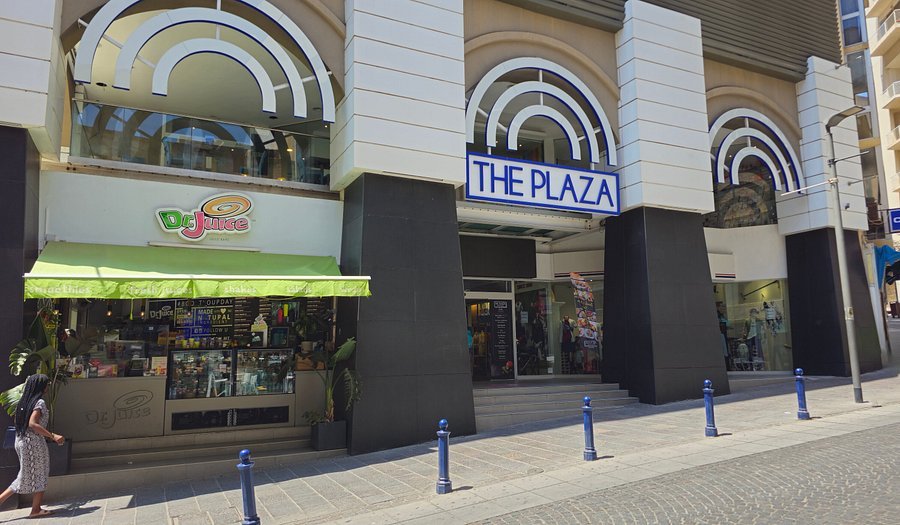


Verdi Hotels is emerging as a case study in how modern hospitality brands can embed resilience into their operations by adopting practical tools and frameworks that move the sector from reactive crisis management to proactive risk planning. The broader tourism resilience toolkit concept centers on helping destinations and hotels withstand and adapt to shocks such as climate-related disasters, geopolitical tensions, and global health crises, while also supporting long-term competitiveness. A key example is the Hotel Resilient Initiative, launched in 2013 by GIZ in partnership with UNDRR and the Pacific Asia Travel Association, which created global Standards on Disaster Risk Management for Hotels and Resorts. This multihazard framework audits risks to and resilience of hotels across 250 compliance guidelines and led to the establishment of the Hotel Resilient Institute to increase resilience of hotels to climate and disaster risks by moving from reactive crisis management to proactive risk management.
Within this context, properties like Hotel Verde Cape Town Airport, recognized as Africa’s greenest hotel, demonstrate how sustainable tourism practices become part of the resilience toolkit. The hotel integrates low-flow fixtures, rainwater harvesting, and greywater recycling systems that save thousands of litres of water every month without impacting guest comfort, showing that sustainability does not require sacrifice and can enhance destination stewardship. Partnering with hotels that prioritize water stewardship sends a powerful message to event organizers that they care not only about guests but also about the destinations they visit. Chief Technical Officer David Pollock noted that delegates enjoy the same comfort they would at any top hotel while the property conserves resources, proving resilience can be invisible to the guest.
The resilience toolkit for tourism also spans economic, environmental, social, and technological dimensions. Economic resilience involves diversifying offerings, investing in local communities, and fostering entrepreneurship to reduce dependence on a single revenue stream. Environmental resilience requires preserving natural resources and reducing carbon footprint to safeguard destinations against degradation while ensuring long-term attractiveness to visitors. Social resilience entails empowering local communities, promoting cultural exchange, and prioritizing equity to build robust networks that support recovery efforts. Embracing technological innovations, from digital marketing and online booking platforms to crisis management tools and data analytics, streamlines operations and facilitates rapid responses to unforeseen challenges.
Academic research supports this approach, finding that the strategies pursued by tourism companies to become more resilient and more competitive are closely related to tourism sustainability, and that resilience mediates the relationship between internationalization and sustainable competitiveness of hotel companies. Large events further illustrate the toolkit in action, as mega-events can serve as catalysts for sustainability upgrades in hotels, including energy-efficient technologies, employee training, and guest-oriented green initiatives, though outcomes are complex and context-dependent rather than universally “win-win”. By combining global standards, sustainable operations, community engagement, and digital transition, hotels like Verdi can contribute to a broader industry shift where resilience in tourism goes beyond enduring challenges to involve active adoption of sustainable practices that minimize risks and create a foundation for long-term success.