

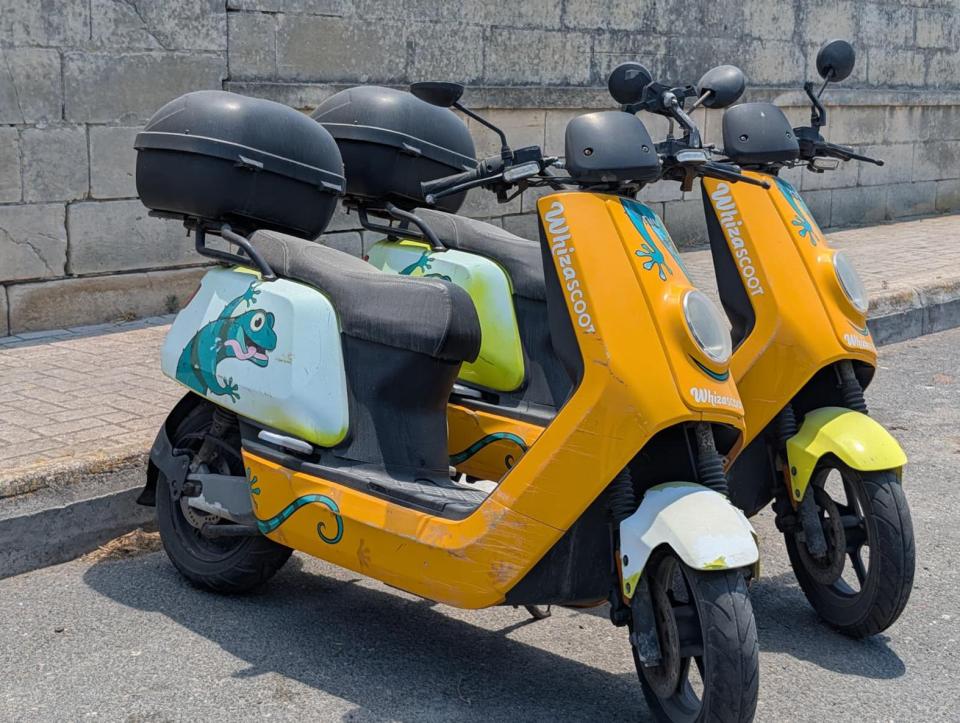
Rental company Whizascoot has shut down, leaving scooters lying around in various locations and raising questions about responsibility for their removal and public safety. The closure came without a clear transition plan, and as a result the e-scooters remain parked on pavements, near public spaces, and in residential areas where they were last used. Residents have reported that some of the vehicles are obstructing walkways, creating hazards for pedestrians, and contributing to clutter in already busy zones.
Local authorities are now facing pressure to address the situation, as the abandoned scooters are not being collected or maintained by the company. The lack of servicing means batteries may degrade, and damaged units could pose risks if left unattended for extended periods. The shutdown also highlights broader issues around accountability in the micro-mobility sector, particularly what happens when operators cease trading without retrieving their fleets.
Councils and regulators are assessing whether the scooters can be impounded, recycled, or returned to creditors, while also considering fines or enforcement action if Whizascoot failed to meet its obligations under operating permits. The incident has renewed calls for stricter rules on fleet management, end-of-service procedures, and financial guarantees from rental firms to cover cleanup costs. Until a resolution is reached, the abandoned scooters serve as a visible reminder of the gaps in oversight that can emerge when a mobility service exits the market suddenly.