
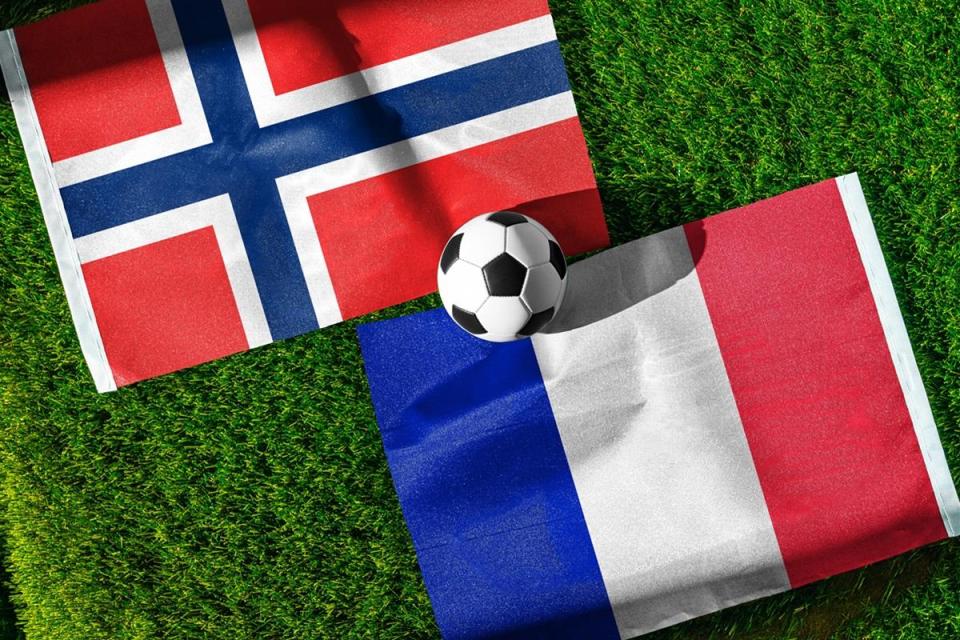
For Norway, the label of “most important World Cup match” carries weight that goes far beyond a single 90 minutes on the pitch. The nation’s football history is filled with near misses, standout victories, and long stretches between major tournament appearances, so every chance to qualify or advance in a World Cup takes on outsized meaning for players and supporters alike. The match in question is not just about three points or a place in the next round; it represents a chance to affirm that Norway belongs among the game’s elite and to inspire a generation that has grown up hearing stories of past campaigns more than watching new ones unfold.
The build-up to such a match usually pulls the entire country in. Fans gather in living rooms and pubs from Oslo to Tromsø, flags come out on balconies, and the conversation in schools and workplaces shifts to tactics, lineups, and memories of iconic moments in Norwegian football. For the squad, the pressure is personal and collective. Many of the players have built careers abroad, competing weekly in top leagues, but pulling on the national shirt for a decisive World Cup fixture connects them to a shared identity that clubs cannot replicate. A win can unlock qualification, secure passage from the group stage, or even deliver a historic knockout triumph, each scenario capable of becoming folklore.
What makes the match so significant is also what is at stake beyond the tournament itself. Success brings funding, visibility, and belief to the grassroots game, encouraging kids to join local clubs and dream of wearing the same colors. It shifts how the rest of the football world views Norway, opening doors for players and coaches and giving the federation leverage when investing in facilities and youth development. A defeat, on the other hand, can mean years of waiting for another opportunity, as the World Cup cycle is unforgiving and the margins in European qualifying are thin.
In the end, Norway’s most important World Cup match is defined by context as much as by the opponent or the scoreline. It is the moment when past disappointments, present hopes, and future ambitions converge on one field. For 90 minutes, the country measures itself not just against another team, but against its own expectations of what Norwegian football can be.