
Long after ballrooms gave way to clubs and playlists, the waltz has not let go. Three beats, a turning step, and that feeling of floating — it is simple on paper, but somehow it still cuts through everything else we dance to. The waltz rules the world not because it is trendy, but because it understands something fundamental about how people want to move together.
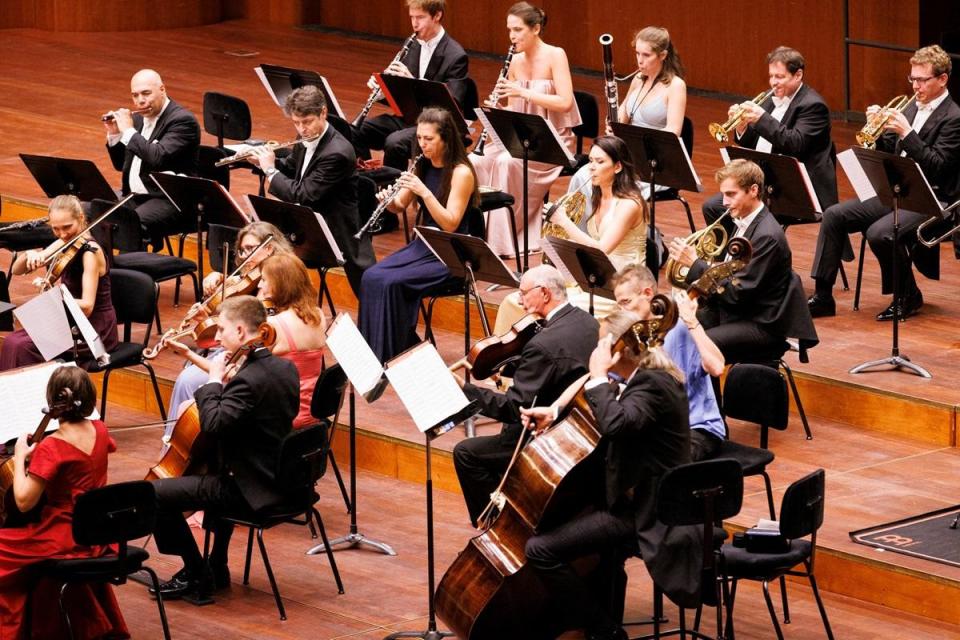
Part of it is the music. That one-two-three has a natural rise and fall that matches breathing, walking, even a heartbeat. It gives dancers a structure they can trust without having to think. You do not need complex footwork to feel elegant in a waltz. You just need a partner and the willingness to turn. That accessibility is why it shows up everywhere, from Vienna’s New Year’s concerts to wedding receptions in small towns, from period dramas to figure skating routines.
Part of it is the feeling. In a world that moves fast and often apart, the waltz forces closeness and coordination. You have to listen to each other, adjust, and go in circles together. It is intimate without being performative, romantic without needing words. That is why it keeps being chosen for first dances, for opening ceremonies, for moments that are meant to feel timeless.
The waltz has survived wars, revolutions, and every new dance craze because it does not try to be flashy. It offers balance, grace, and connection in three counts. Cultures change, music changes, but people still want that moment of being in sync with someone else. And as long as we do, the waltz will keep ruling the floor.