
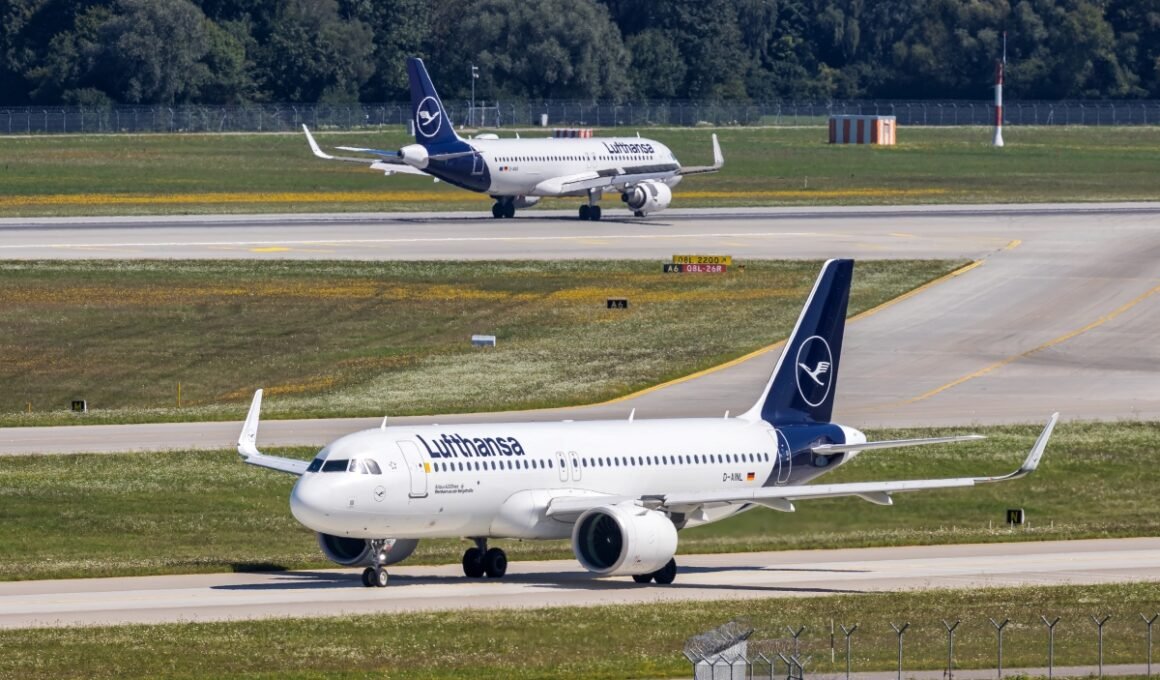
Lufthansa became the latest airline to warn that ticket prices will rise further as it forecast a two-billion-euro jump in annual fuel costs due to the ongoing war in Iran, joining a growing list of European carriers struggling to absorb an energy shock that is reshaping the aviation market. On Tuesday 3 November 2026, Europe’s biggest airline group by sales reported forecast-beating quarterly results, with revenue between July and September rising nine percent year-on-year to 12.2 billion euros and adjusted operating profit up 30 percent to 1.26 billion euros, a performance CEO Carsten Spohr attributed to rising revenues amid consistently high demand and strict cost discipline that allowed the group to more than offset an increase in fuel costs of approximately half a billion euros. However, the outlook for fuel has worsened dramatically from just a few months ago, with the German firm which also operates Swiss, Austrian Airlines, Brussels Airlines and Eurowings now predicting a total kerosene bill of 9.3 billion euros for 2026, two billion euros higher than last year, prompting a cut in its core profit forecast to a range of 1.7 to 2.0 billion euros from the previous 1.7 to 2.2 billion euros.
The warning came just a day after Irish low-cost carrier Ryanair said it would raise prices and launch a cost-cutting drive, as the US-Israeli war on Iran that started in February has led to the near total closure of the Strait of Hormuz, a key oil and gas trade route, pushing up global energy costs and airline fuel prices in tandem. Lufthansa finance chief Till Streichert told journalists that price hikes would be necessary to pass on the increase in kerosene costs and that ticket prices will increase by double digits next year, meaning an increase of at least ten percent, while also warning that fuel costs would increase again in 2027, although he added that could still change for the better if the geopolitical situation eases. The group stressed that it had hedged over 80 percent of its fuel costs for 2026 and more than 60 percent for 2027, leaving it less exposed to immediate volatility than some rivals, but with hedges expiring across the industry, analysts warn that European carriers will have no choice but to pass higher costs to passengers, even as premium demand and traffic to Asia and North America remain strong and passengers continue to book closer to departure at higher fares.