
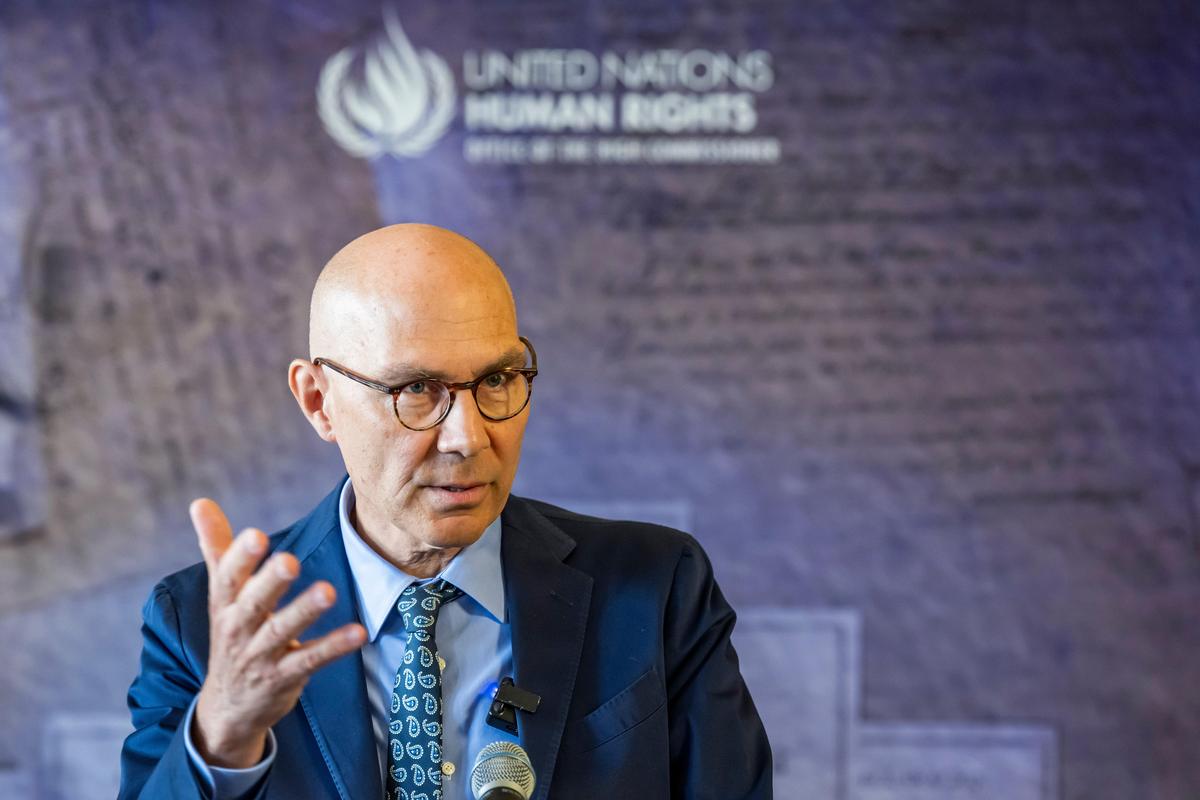
The United Nations High Commissioner for Human Rights has voiced serious concern over new EU rules governing the return of migrants, warning that provisions in the updated framework could undermine protections for vulnerable people and increase the risk of violations at borders. The legislation, part of the EU’s broader migration pact, expands the grounds and speed at which people found to be in irregular status can be returned to their countries of origin or to third countries deemed “safe.” UN rights chief Volker Türk said he is troubled by aspects that may limit access to fair asylum procedures, reduce time for legal appeals, and broaden the use of detention and border screening before individuals have had a meaningful chance to present their claims.
The core worry from the UN office is that efficiency in removals cannot come at the cost of due process. Türk pointed to obligations under international refugee law and the principle of non-refoulement, which bars sending anyone back to a place where they face persecution, torture, or other serious harm. He argued that faster procedures and wider use of border detention could make it harder for asylum seekers to access lawyers, gather evidence, or challenge decisions, especially for children, survivors of trafficking, and others with complex needs. The UN also questioned whether agreements with third countries will include strong enough monitoring to ensure returnees are not exposed to abuse after they leave EU territory.
EU officials defend the rules as a necessary response to years of pressure on asylum systems and uneven responsibility-sharing among member states. They say the changes are designed to create clarity, deter irregular migration, and speed up returns for people who do not qualify for protection while still guaranteeing fundamental rights. But human rights advocates and the UN see a tension between that goal and the reality of how fast-track decisions can play out on the ground. Türk urged the bloc to build in stronger safeguards, independent monitoring, and enough time and resources for proper assessment of each case. For the UN rights chief, the measure of any migration policy is not just how many people are returned, but whether those returns respect human dignity and the legal commitments Europe has made.