
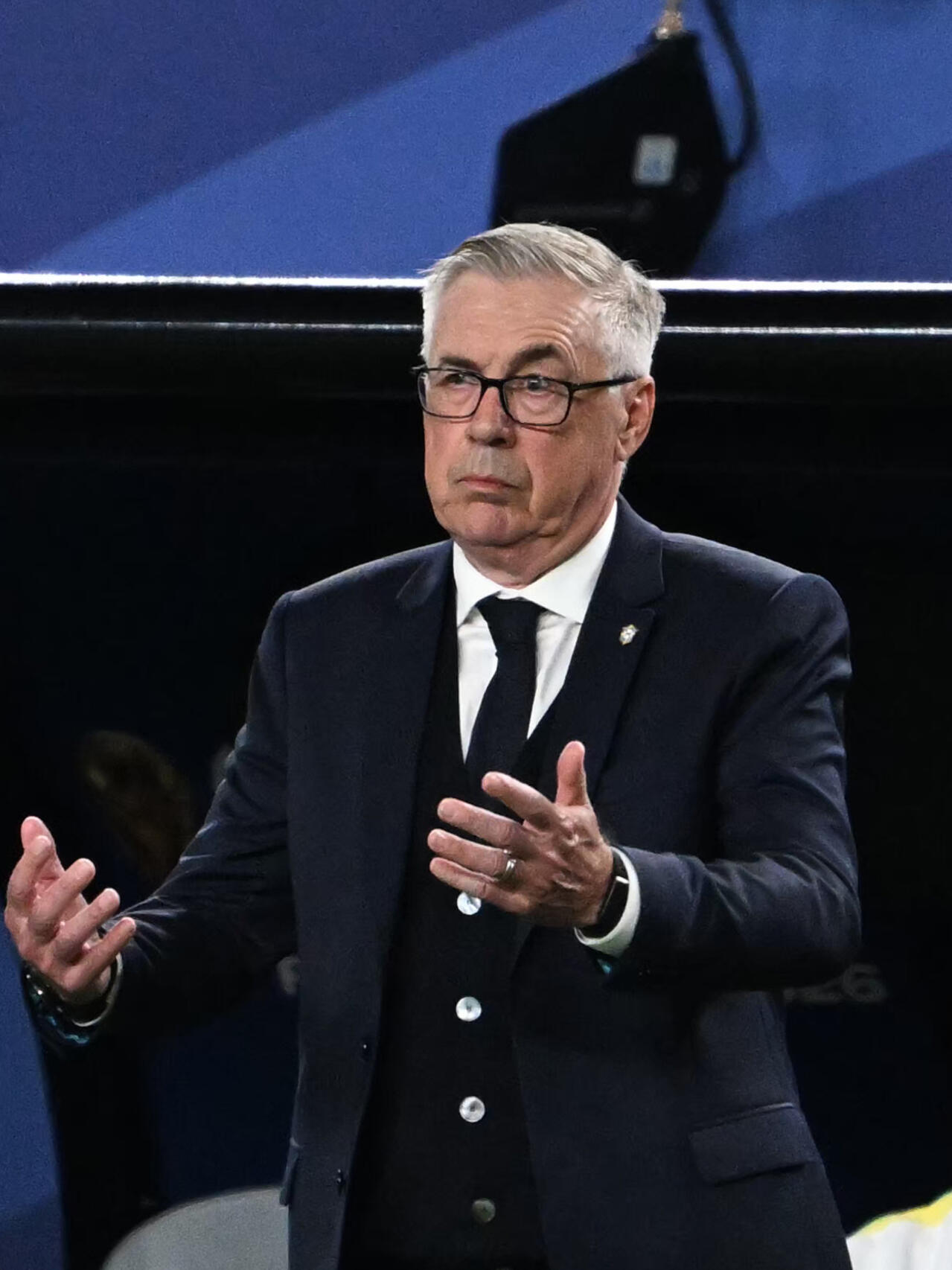
Carlo Ancelotti praised Brazil’s performance as a “complete game” after the Seleção cruised past Haiti at the World Cup, combining control, creativity, and clinical finishing in a display that looked more like the Brazil of reputation than the team that had been searching for rhythm earlier in the tournament. From the opening whistle Brazil dictated tempo, using short passing triangles in midfield to pull Haiti out of shape and then attacking the space with pace out wide. The back line stayed compact, the midfield shielded effectively, and the front players moved with the kind of fluidity that makes Brazil dangerous: constant rotation, one-touch combinations, and a willingness to shoot from anywhere inside the final third.
Ancelotti, who took over with a mandate to restore Brazil’s identity, said the key was balance. He pointed to how the team pressed without leaving gaps, transitioned quickly after winning the ball, and finished chances without overcomplicating the final ball. The goals came from different areas of the pitch, which underlined the depth Ancelotti has been working to build. Wingers stretched Haiti’s defense, fullbacks overlapped to create overloads, and the central striker dropped deep to link play before bursting into the box. Defensively, Brazil limited Haiti to few clear chances, a point Ancelotti highlighted as proof that the team was focused for the full 90 minutes rather than switching off after scoring.
The result pushes Brazil forward in the group and eases pressure that had built after mixed performances in earlier matches. For Ancelotti, “complete game” meant more than the scoreline. It was about intensity without panic, structure without rigidity, and players trusting the plan he brought from decades of managing elite clubs. Haiti fought hard but lacked the quality to keep Brazil pinned back, and each Brazilian goal seemed to pull them further apart. With momentum now on their side, Brazil will look to carry this same cohesion into the knockout rounds, where margins get tighter and opponents punish mistakes. If this was Ancelotti’s template for how Brazil should play on the world stage, the message to the rest of the tournament is clear: when the Seleção play a complete game, they are still one of the hardest teams to stop.