
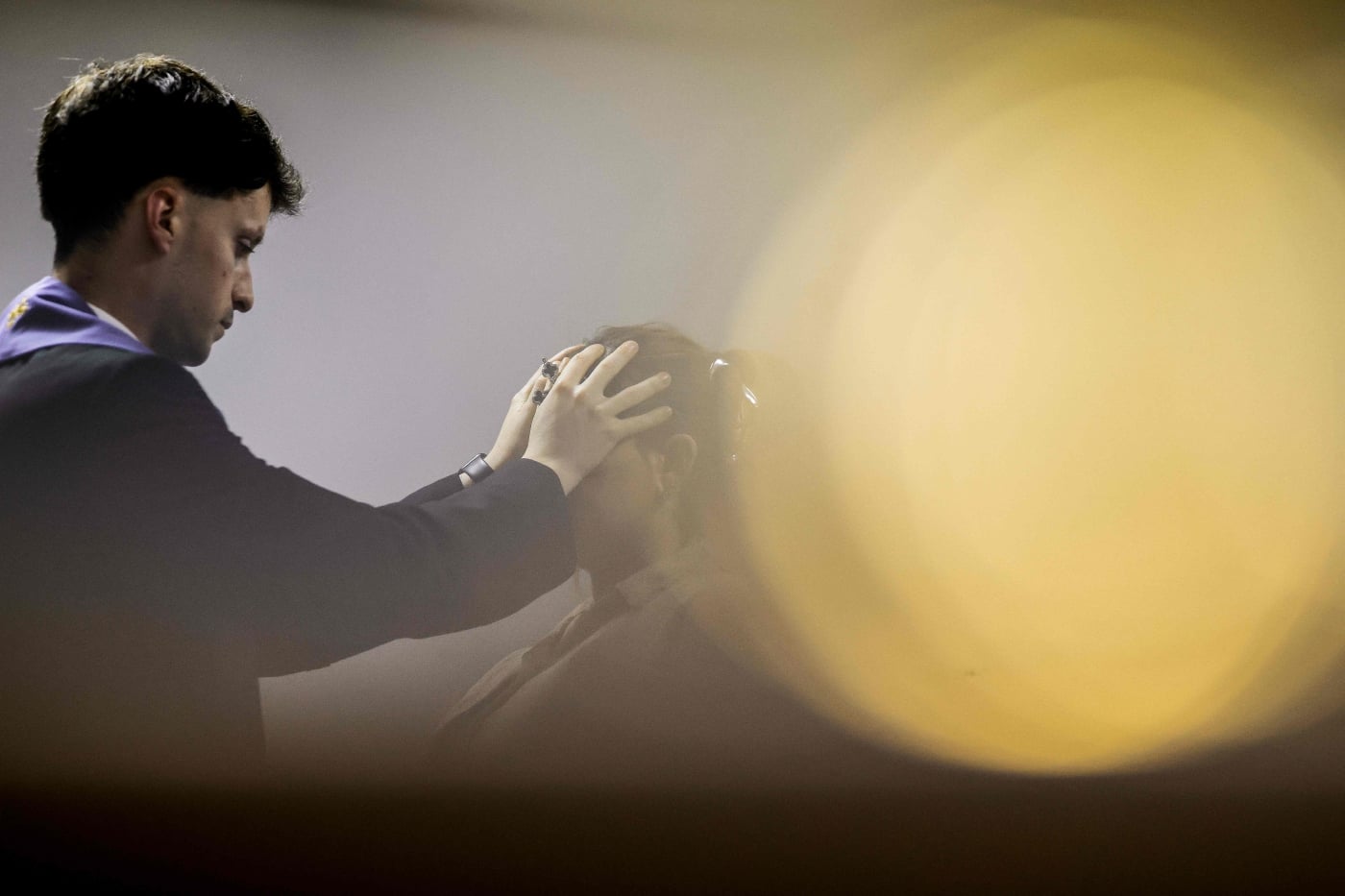
An unofficial wave of exorcism activity in Portugal has put the Catholic Church on edge, as demand for deliverance rituals surges outside the formal channels the institution controls. In recent months, reports of house calls, nighttime prayers, and makeshift ceremonies have spread across parishes and online groups, with people seeking relief from what they describe as possession, oppression, or persistent misfortune. The rise is being fueled by social media, word of mouth, and a sense among some believers that official diocesan exorcists are too few, too slow, or too cautious to respond. That gap has created space for laypeople, self-styled healers, and priests acting without diocesan approval to step in, often charging money or operating with no medical or psychological assessment.
Church leaders in Portugal are warning that this “exorcism fever” is risky for both faith and public safety. The Vatican’s rite of exorcism requires a bishop’s permission and is meant to be used only after mental health, medical, and spiritual evaluation rules out other causes. Diocesan exorcists are trained to distinguish between illness and alleged supernatural affliction, and they work within a structure designed to protect the vulnerable. Unofficial practitioners bypass those safeguards, and bishops say they have seen cases where delaying medical care, spreading fear, or exploiting grief made situations worse. They also worry that sensational accounts online are distorting Catholic teaching, turning a rare and serious sacramental act into something routine or performative.
The concern reflects a broader tension in modern Portugal between traditional belief, mental health awareness, and the speed of digital culture. Requests for exorcism have increased across Europe in the last decade, but Portugal’s surge stands out because much of it is happening outside parish walls, organized by communities that feel urgent need and lack access to approved clergy. The Church has responded by reminding the faithful that fear and suffering are real, but that the response must be pastoral, careful, and coordinated with professionals. It is calling for more priests to be trained as exorcists so demand can be met through proper channels, while urging people to be wary of anyone promising quick deliverance without oversight. For now, the unofficial fever continues to spread, and the Church is trying to bring it back under a framework that treats both souls and bodies with equal seriousness.