
More than half of England is now officially in drought, after weeks of low rainfall and sustained high temperatures left reservoirs, rivers, and groundwater levels well below normal.
The Environment Agency confirmed that large parts of central, eastern, and southern England have moved into drought status, with water companies and farmers being urged to prepare for further restrictions if conditions do not improve. The prolonged dry spell has stressed water supplies, damaged crops, and increased pressure on wildlife habitats that rely on steady river flows.
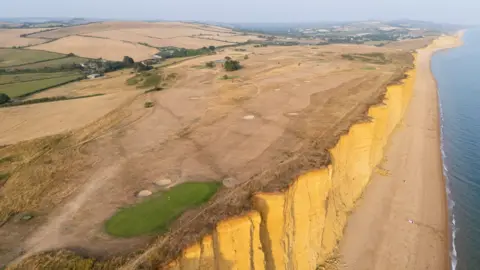
Officials say the situation built up gradually, with a wet winter followed by an unusually dry spring and summer that failed to replenish sources. Gardens, parks, and farmland have shown visible signs of strain, while some rivers have dropped to levels that threaten fish populations and other aquatic life. Water companies are already rolling out hosepipe bans in several areas and asking households to cut back on non-essential use.
The government has activated drought response groups to coordinate action between agencies, utilities, and local authorities. Farming groups have warned of reduced yields and higher costs, particularly for livestock and irrigated crops, while environmental charities are calling for long-term investment in water storage and leakage reduction.
Authorities stress that while the current measures are about managing resources, the bigger challenge is adapting to a climate where dry periods are becoming more frequent. For now, residents across affected regions are being asked to use water carefully, with hopes that autumn rains will help ease the pressure in the months ahead.