
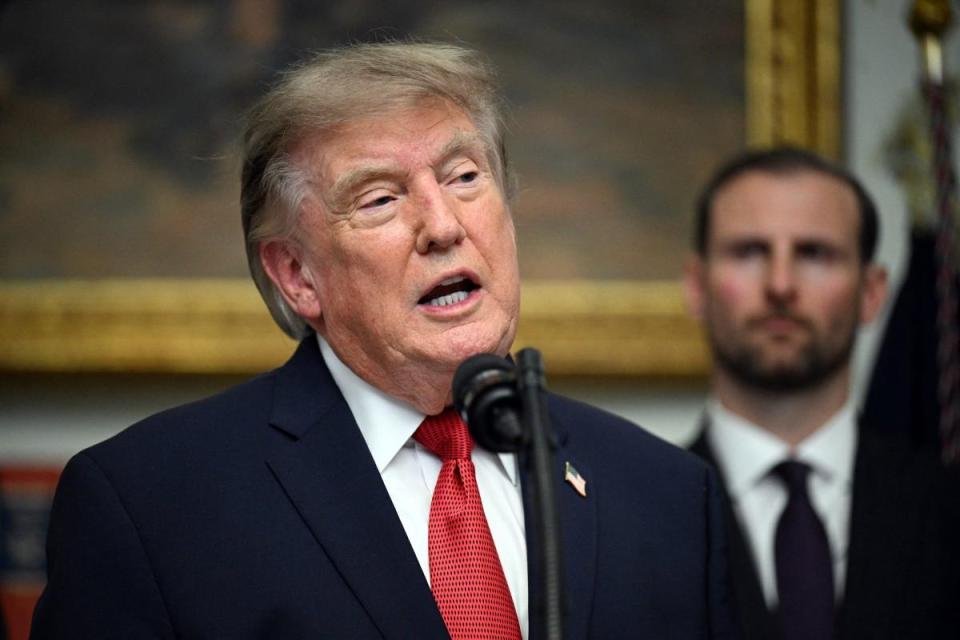
Iran has brushed off warnings from former US President Donald Trump about an “Economic D-Day” against Tehran, saying the threats will not change its policies or force it back to negotiations on Washington’s terms.
Trump used the phrase while speaking about renewed pressure on Iran, suggesting that sweeping economic measures and sanctions could be unleashed if the country does not make concessions on its nuclear program and regional activities. The comments quickly drew a response from Iranian officials, who dismissed them as political posturing and said Iran has already withstood years of maximum-pressure campaigns.
A spokesperson in Tehran said the country’s economy has adapted to sanctions and that attempts to isolate it further will only deepen mistrust. Iranian media framed Trump’s remarks as aimed at a domestic audience rather than a realistic policy shift, arguing that any new “D-Day” would look much like the restrictions already in place.
The exchange highlights how Iran and Trump-era rhetoric remain locked in a cycle of escalation and defiance. For Washington, the threat of harsher economic action is meant to signal leverage. For Tehran, rejecting it outright is meant to project resilience and to avoid appearing pressured into talks.
With nuclear diplomacy stalled and regional tensions still high, neither side appears ready to change course. Iran’s dismissal suggests it is betting that it can ride out more pressure, while Trump’s language keeps the issue of Iran front and center in US political debate.