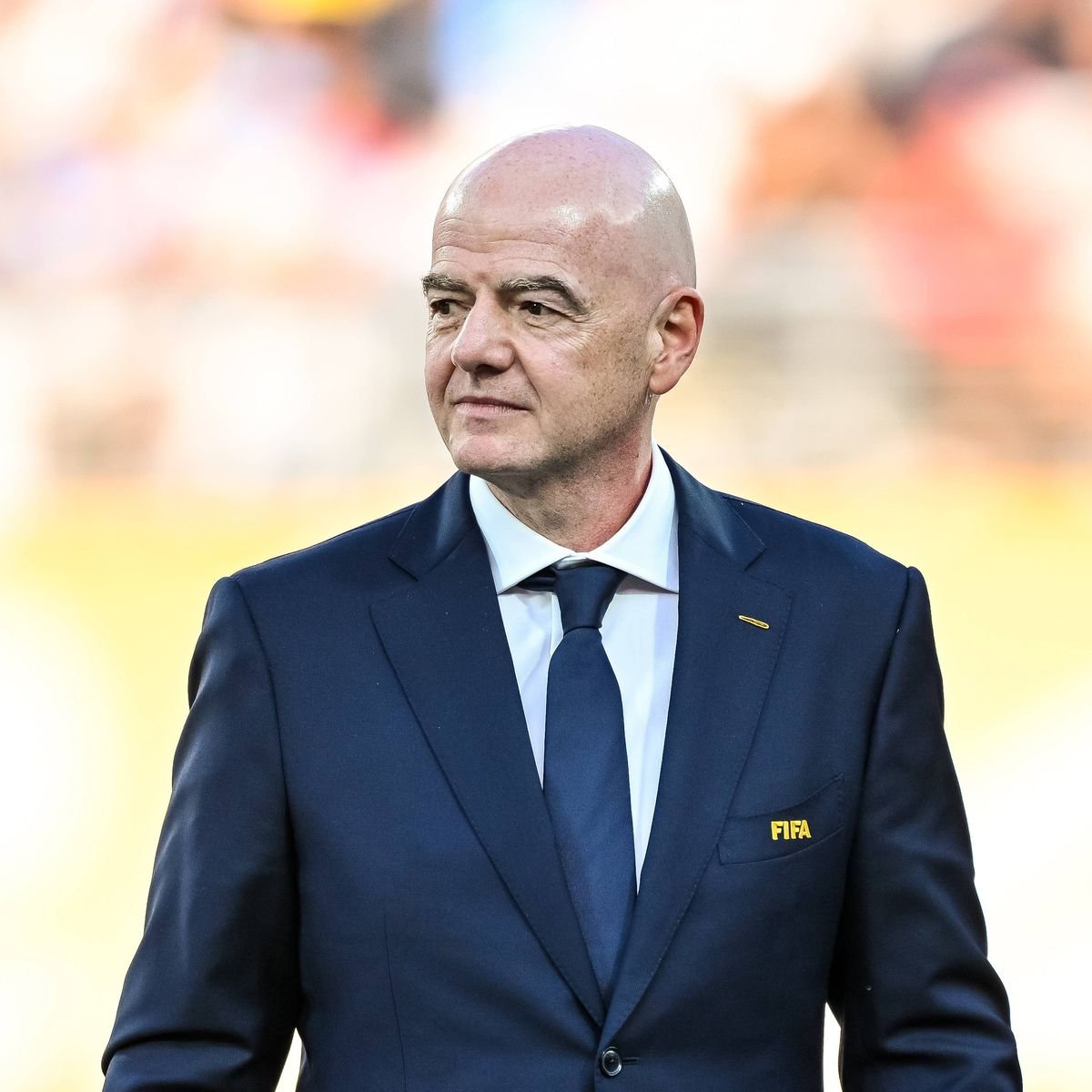

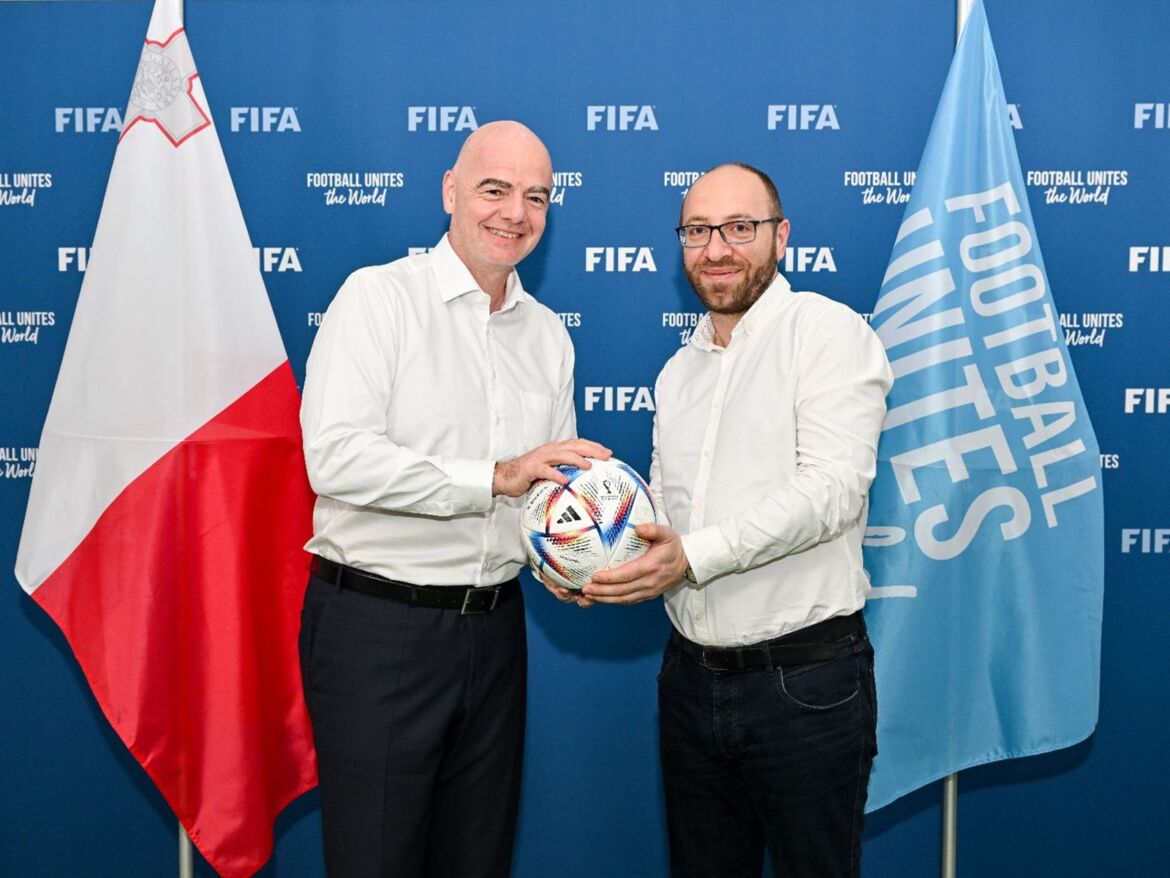
FIFA’s latest proposals could find strong backing from smaller footballing nations, according to a leading football expert who says the reforms are designed to give more countries a real stake in the global game.
Speaking about the plans, the expert explained that many of FIFA’s new ideas focus on expanding development funding, increasing World Cup slots, and creating more competitive pathways for associations that have traditionally had limited resources. For smaller nations, that means greater access to training facilities, coaching programs, and financial support that could help close the gap with established football powers.
The expert noted that proposals to broaden tournament formats and distribute revenue more widely are particularly appealing to member associations outside Europe and South America. These countries often struggle with infrastructure and player development, and additional investment from FIFA could allow them to build domestic leagues, improve youth systems, and compete more regularly on the international stage.
There is also a political dimension. With more voting members coming from smaller nations, FIFA leadership knows that support from this bloc will be crucial for passing major reforms. By framing the plans as an opportunity for inclusion rather than just expansion, FIFA is positioning itself as a body that represents the whole football community, not just its biggest markets.
Critics argue that some of the changes could dilute quality or stretch calendars further, but the expert believes the balance FIFA is striking will resonate with countries that have long felt on the margins. If the plans move forward, they could reshape how resources and opportunities are shared across world football, giving smaller nations both a louder voice and a clearer path to growth.