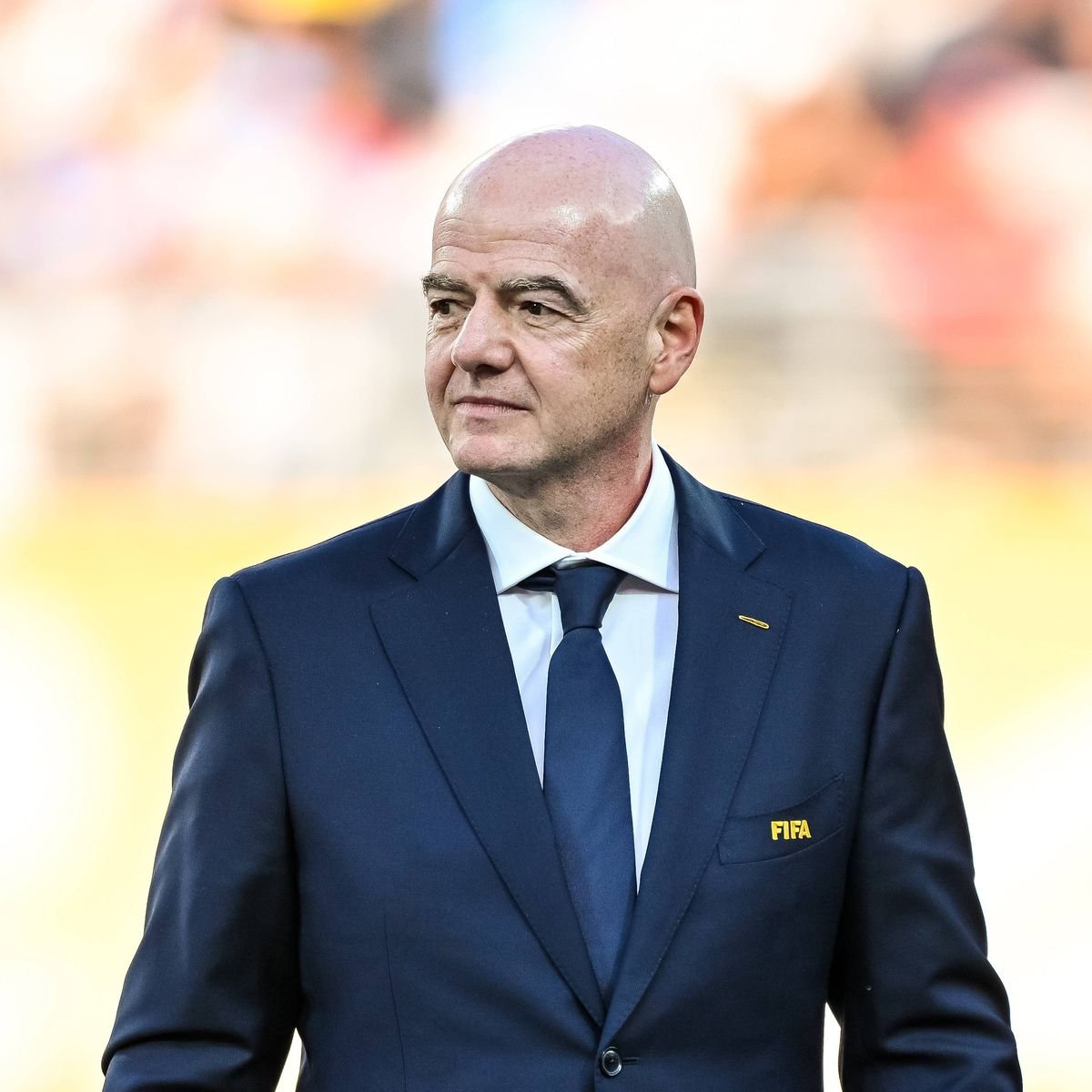

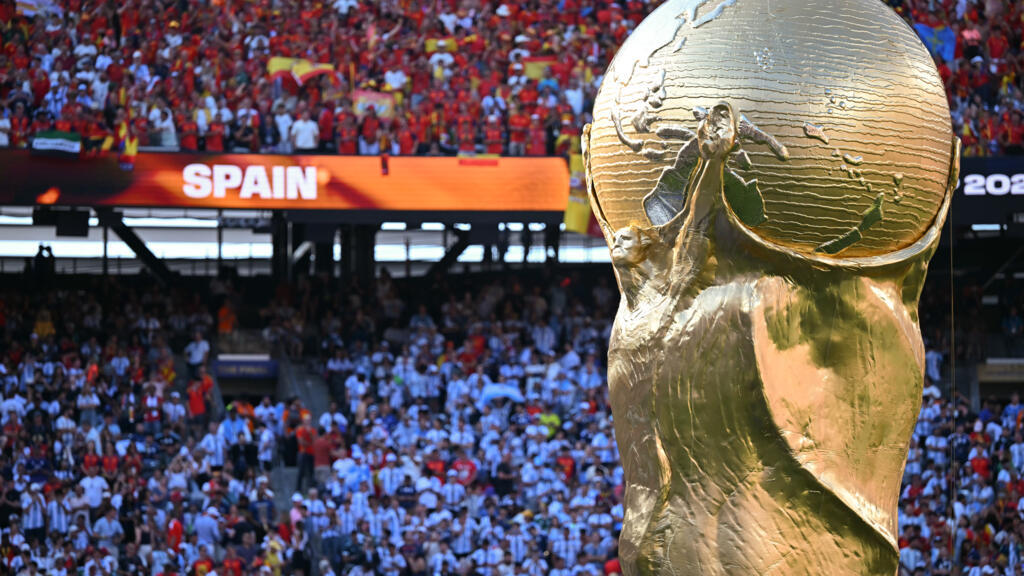
UEFA President Aleksander Ceferin was notably absent from the World Cup final, and reports suggest the decision was intentional as a signal of his disapproval toward FIFA. The move came amid ongoing tensions between UEFA and FIFA over the direction of the global game, including disagreements about the expanded World Cup format, the crowded international calendar, and the balance of power between clubs, federations, and the governing body.
By staying away from one of football’s biggest showcases, Ceferin made a public statement without saying a word. His absence was widely noticed in the VIP section, where heads of state, federation presidents, and sponsors typically gather. People close to UEFA said the snub reflected frustration with how FIFA has pushed ahead with major reforms without broader consultation with European football.
FIFA did not directly address Ceferin’s absence, focusing instead on the tournament itself, which broke records for attendance and viewership. But the empty seat spoke to a deeper rift that has been building for years, as UEFA continues to push for more influence over scheduling, revenue distribution, and the protection of domestic competitions.
The reported boycott highlights how politics off the pitch is increasingly shaping football at the top level. Whether it leads to dialogue or further division remains to be seen, but Ceferin’s decision to skip the final made clear that the relationship between UEFA and FIFA is far from settled.