

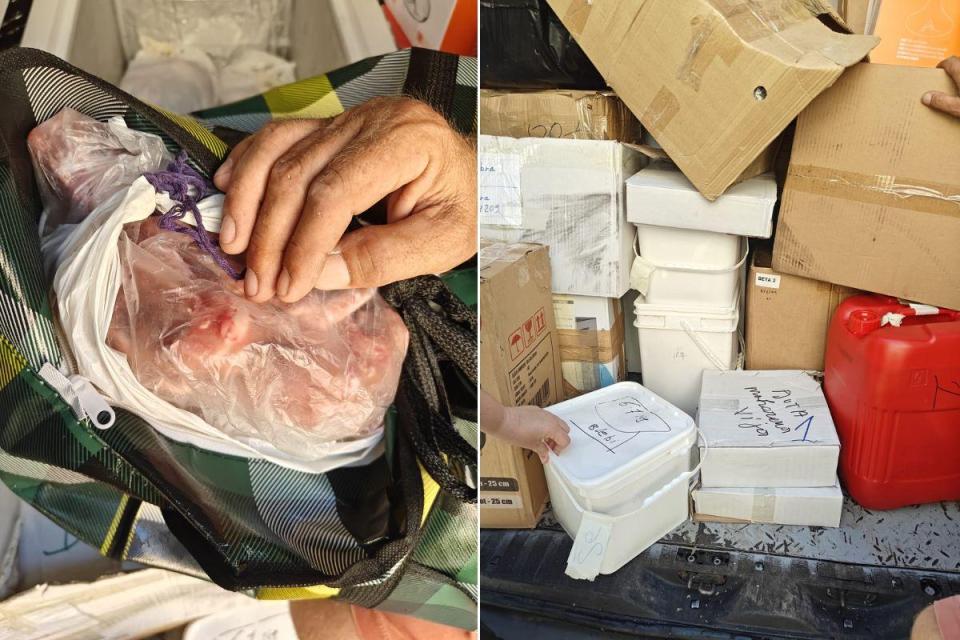
A van transporting a large quantity of ‘unsafe’ food from Albania was intercepted by authorities before any of the products could reach consumers, preventing a potential public health risk. The vehicle was stopped during routine checks, and inspectors discovered that the food items did not meet required safety and hygiene standards for sale. Issues identified included improper storage conditions, lack of temperature control, missing or inadequate labeling, and no documentation to verify traceability or origin, all of which are essential for ensuring that food entering the market is safe to eat.
Officials acted quickly to detain the consignment, removing it from circulation and opening an investigation into how the shipment was organized and who was responsible for bringing it into the country. The interception highlights the role of border and market surveillance in protecting consumers, particularly when food is moved across multiple jurisdictions where standards and enforcement can vary. Had the products reached shelves or catering outlets, they could have exposed the public to contamination, spoilage, or allergens not declared on packaging.
The case also draws attention to the wider supply chain and the importance of compliance among importers, distributors, and vendors. Authorities are now examining whether this was an isolated attempt or part of a broader pattern of unregulated food movement. In the meantime, the seized items will be destroyed or disposed of according to safety protocols. The incident serves as a reminder that food safety checks remain a critical barrier between substandard products and the public, and that vigilance at checkpoints can stop unsafe goods before they cause harm.