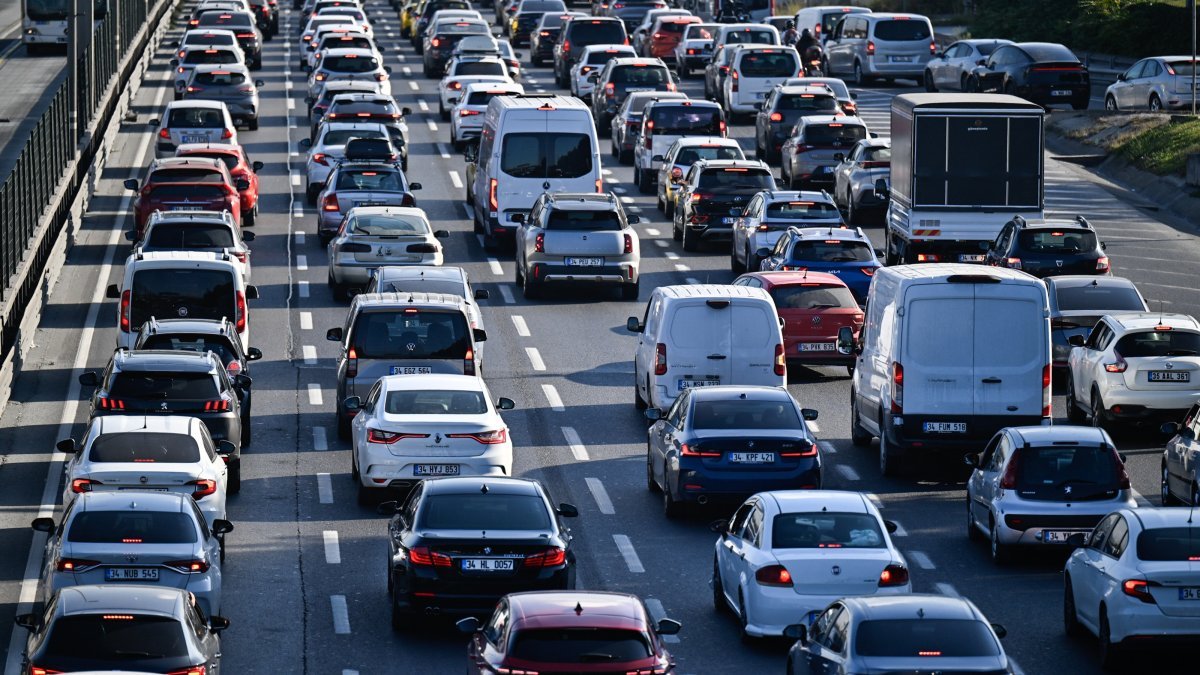

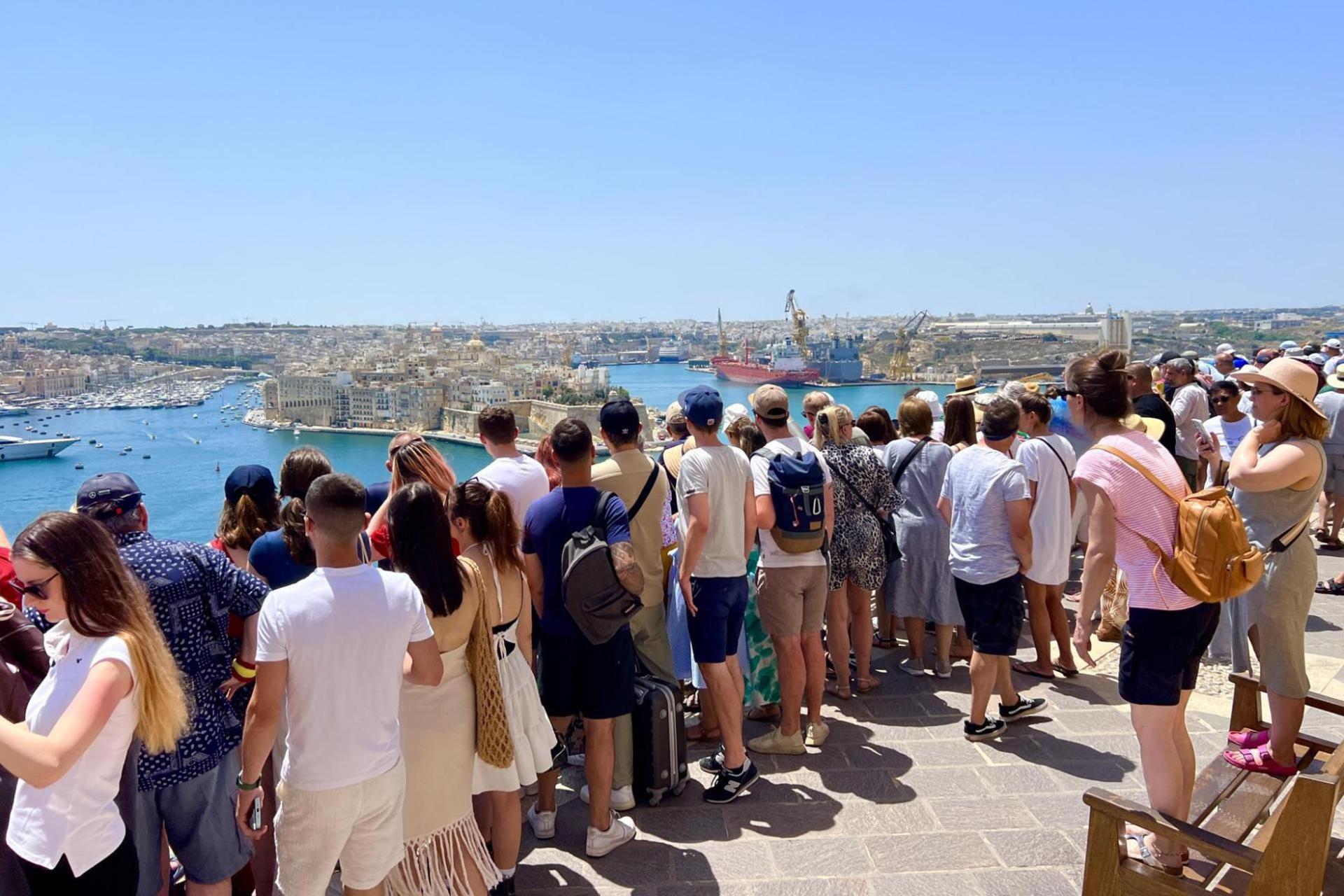
Malta’s struggle with overtourism has spilled onto social media, where packed buses, gridlocked roads, and shoulder-to-shoulder streets have become the focus of a new page documenting the island’s growing visitor pressure. Identified as one of Europe’s most vulnerable destinations to overtourism, Malta receives far more tourists than its 316 square kilometer landmass can comfortably absorb, with several visitors for every resident and over four million tourist arrivals recorded in 2025. The result is increasingly visible strain on everyday life: public transport is overwhelmed, historic town centers feel like theme parks, and basic services such as ambulances and grocery runs are disrupted in heritage districts that have emptied of residents and everyday shops.
The social media attention reflects a broader pattern seen across Europe, where platforms accelerate word-of-mouth and funnel travelers to the same Instagram spots, concentrating foot traffic in a handful of locations while nearby communities receive little benefit. In Malta, this volume-driven model is compounded by a decline in real spend per tourist, down 16% in a decade when adjusted for inflation, suggesting the country is hosting more people who spend less while construction, infrastructure demand, and housing costs keep rising on land that cannot expand. Tourism remains vital to the economy, but without careful long-term planning the gains are being outweighed by overcrowding, higher living costs, and a degraded visitor experience that threatens the island’s unique ambience.
The page itself is part of a global pushback in which locals use their numbers and social media to issue an ultimatum to destination leaders: manage the issue better or risk reputational damage as travelers look elsewhere to avoid queues for restaurants, museums, and iconic sites like Valletta’s fortifications. Lawmakers in the European Parliament have backed proposals to reshape tourism by tightening regulation of short-term rentals, strengthening transport links, and redirecting visitors to lesser-known rural and remote areas, noting that 80% of tourists visit just 10% of global destinations. For Malta, the conversation now centers on balancing growth with quality of life, shifting from a volume model to strategies that protect housing supply, reduce carbon footprints, and preserve the cultural heritage that drew visitors in the first place.