

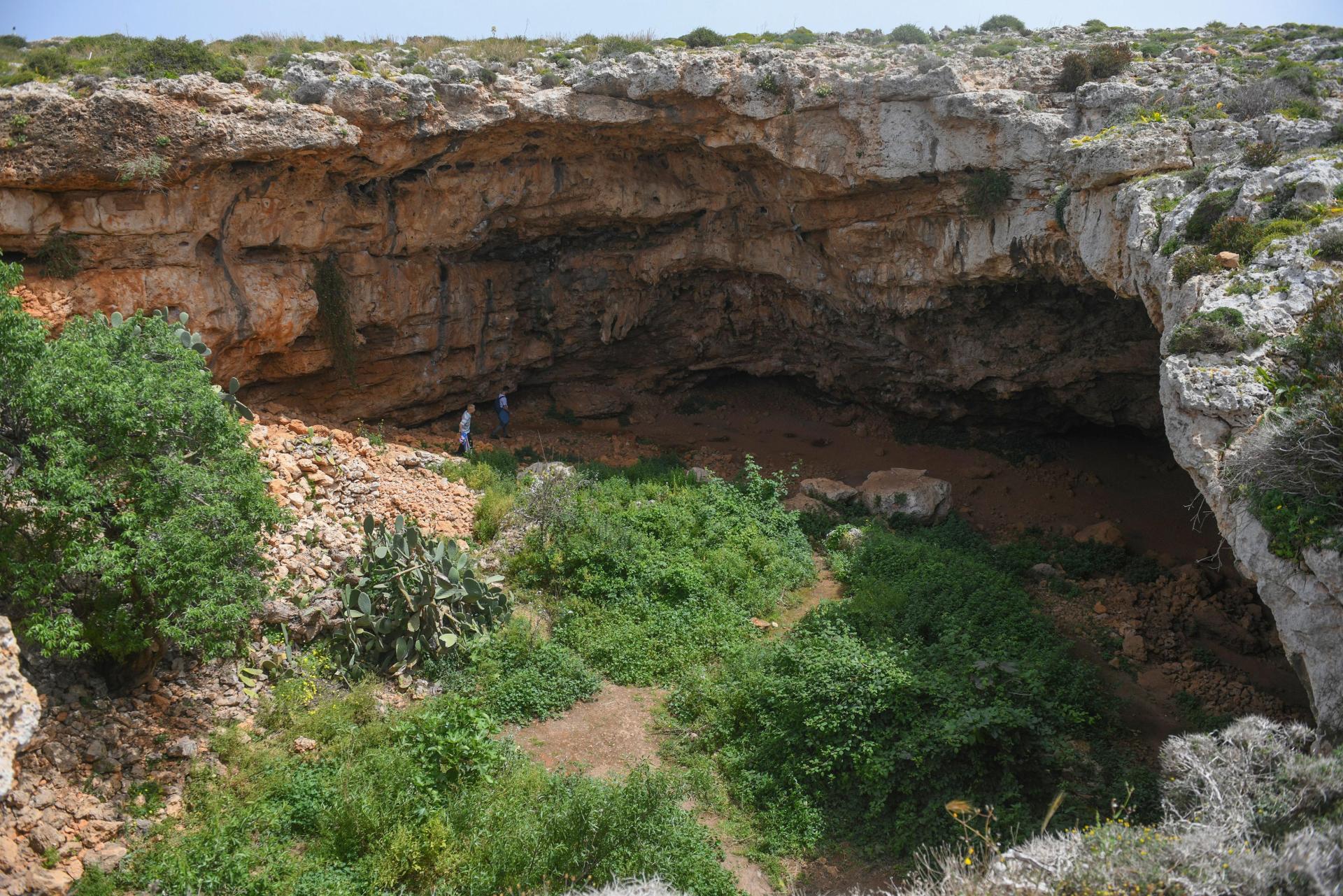
New research suggests that Malta’s earliest inhabitants did not arrive in a single wave, but instead survived and built their communities through repeated sea voyages across the Mediterranean.
According to the study, archaeological evidence and ancient DNA analysis point to multiple groups making the crossing to the islands over several centuries, rather than one isolated colonization event. The researchers found signs that these early settlers maintained contact with other coastal communities, bringing new tools, crops, and animals with them each time they returned or were joined by others. That steady exchange appears to have been crucial for survival on the small islands, where resources were limited and self-sufficiency would have been difficult.
The findings challenge older ideas that Malta was settled once and then cut off from the outside world. Instead, the islands seem to have been part of a wider network of seafaring people who navigated open water deliberately, using knowledge passed down through generations. Repeated voyages would have helped replenish populations, introduce new technologies, and keep cultural practices alive despite the challenges of island life.
For archaeologists, this paints a more connected picture of prehistoric Malta. The temples and structures the islands are famous for did not emerge in isolation, but grew out of a community that was resilient because it stayed linked to the wider Mediterranean.
The study highlights how much early humans relied on the sea not just to reach new land, but to sustain life there. Malta’s first settlers endured because they kept coming, and kept going, across the water.