

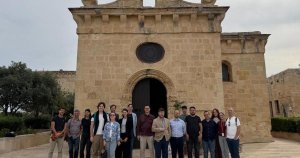
Experts from across Europe have gathered in Malta to investigate the construction history of historic palaces, focusing on how architectural and structural evidence can fill the gaps left by incomplete or missing written archives. Heritage Malta, in collaboration with the European COST Action EUROGLOSS, successfully concluded an intensive two-day international workshop titled Palaces Beyond the Written Source: The Case Study of Malta on 23 and 24 October 2026, following a press release on 2 November, bringing together architectural and construction historians, archaeologists, historians, archivists and conservation experts to explore innovative methodologies for studying palatial buildings. The event forms part of the EUROGLOSS project, A Glossary of Technical Construction Vocabulary in 17th-18th Century European Court Residences, CA24102, led by Valentina Burgassi at the Politecnico di Torino and funded by the European Cooperation in Science and Technology through Horizon Europe, which addresses the fragmented nature of historical construction knowledge by creating a standardised open-access digital database and multilingual glossary through the analysis of craftsmen’s accounts, site reports and architectural drawings from large-scale 17th and 18th century court residences. Conceived and organised by researchers Leone Carlo Ghoddousi from Italy, Christian Mifsud from Malta, Felix Schmieder from Germany and Emine Çiğdem Asrav from Turkey, the workshop tackled a particularly Maltese challenge where historical administrative limitations and past events have fragmented the archival record, requiring scholars to turn to non-written evidence such as physical and structural archaeology, material analysis and stratigraphic reading of masonry to reconstruct complex construction phases and historical craftsmanship. The programme combined theoretical discussion with field-based comparative research across key Heritage Malta palatial sites, beginning on the first day at the Auberge d’Italie, MUŻA in Valletta with introductory sessions, a curated tour of the temporary exhibition Cor Unum, Multiplicia Nomina: Rethinking the langue of Italy in Context at the National Library of Malta, and a site visit to the Grand Master’s Palace, before moving on the second day to Birgu for detailed field analysis at Fort St Angelo and the Inquisitor’s Palace and culminating in an expert round-table discussion that examined how comparative analysis can position Malta’s cohesive dataset of palatial residences against broader European court trends and contribute to a shared vocabulary of historic building techniques.
Experts Investigate Construction History Of Historic Palaces
Share on
Related posts

School Bus Routes Need Review As Children Take 90-Minute Journeys – PN
The Nationalist Party has called for an urgent review of school transport and…
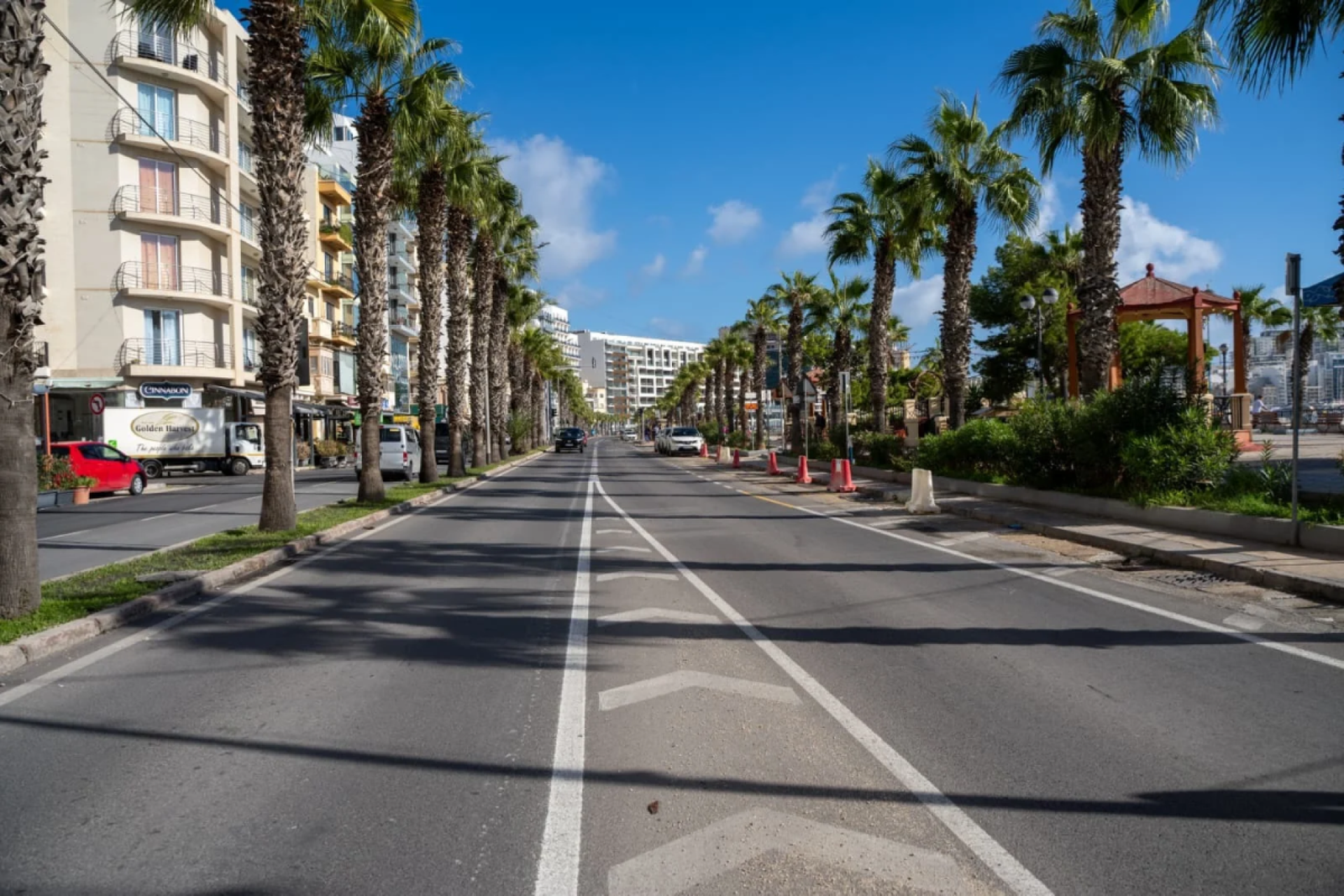
Sliema Seafront Roadworks To Cause Traffic Disruption For Two Months
Drivers, commuters and public transport users in Sliema and Gzira are being warned…

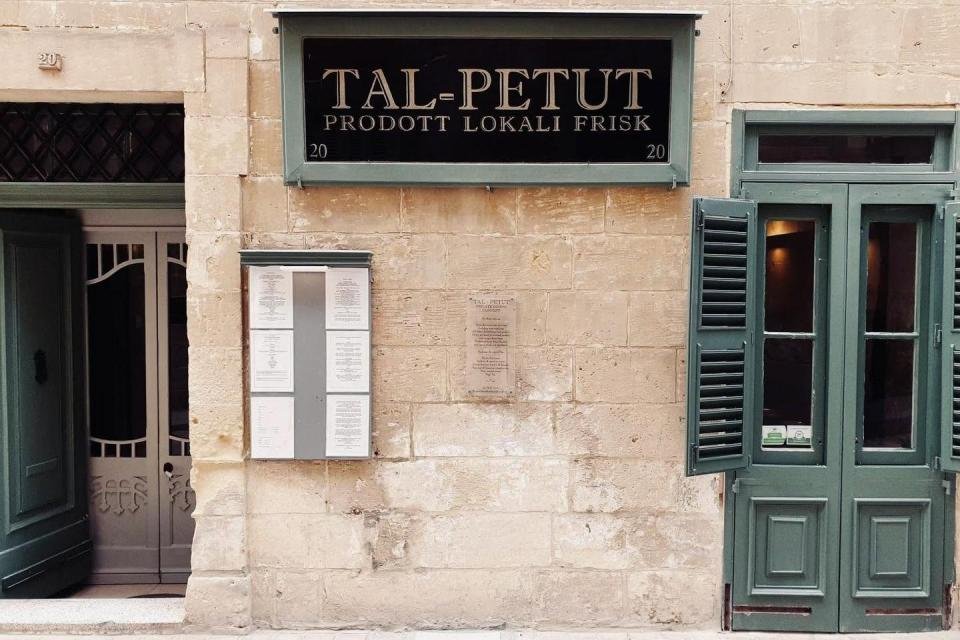
Vittoriosa Restaurant Tal-Petut To Serve Last Meal This Weekend
The well-known Vittoriosa restaurant Tal-Petut is preparing to serve its last meal this…
Coming To Malta: 2,000 Global MedTech Leaders, 30 Headline Speakers, Deals
Malta is set to become the global capital of medical technology this November…

Arts Council Malta Launches National Survey On Cultural Participation
Arts Council Malta has launched a new national survey on cultural participation in…

Labour Plans To Ask 350,000 Voters Three Questions
The Labour Party is planning to launch one of its largest direct consultation…




Search
About us

MALTA BULLETIN
Discover Latest News, Hot Topics, Politics and Entertainment News With Malta Bulletin