
Former Maltese Prime Minister Joseph Muscat has called for respect for Malta’s judicial institutions following the acquittal of businessman Yorgen Fenech in the murder trial of investigative journalist Daphne Caruana Galizia.
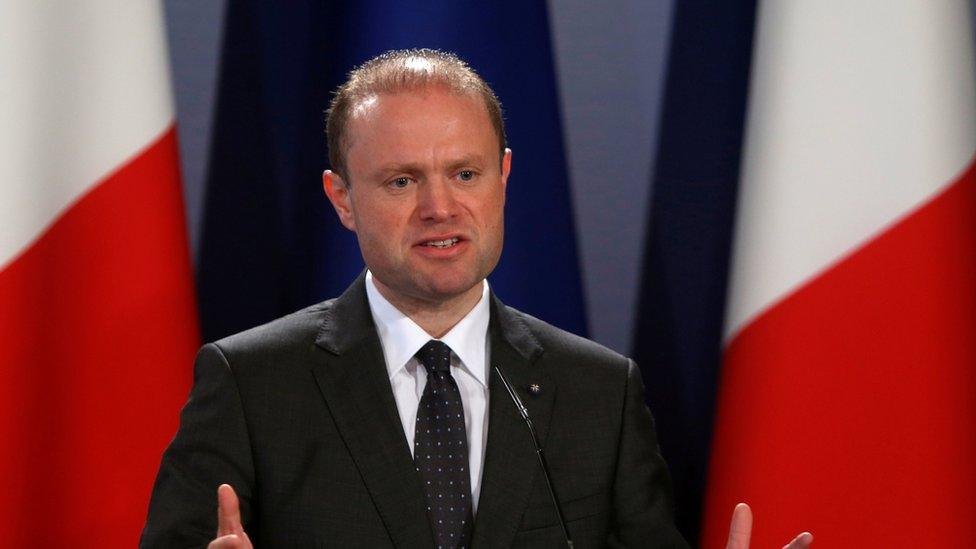
Speaking at a press conference on September 9, Muscat said he was “baffled” by the jury’s decision to acquit Fenech, but stressed that disagreement with a verdict should not lead to attacks on jurors or the justice system. He warned that such reactions could undermine public confidence in Malta’s judicial institutions.
Fenech Acquitted in Caruana Galizia Murder Trial
Yorgen Fenech was acquitted on September 2, 2026, of charges relating to the 2017 assassination of journalist Daphne Caruana Galizia. A nine-member jury cleared Fenech by an 8-1 vote after deliberations that lasted around eight hours.
Fenech had been accused of complicity in the murder and of criminal association to commit murder. Prosecutors alleged that he had commissioned and financed the assassination, allegations that Fenech denied.
The killing of Caruana Galizia, who was known for her investigations into corruption and political and business connections, caused a major political crisis in Malta. Several people have already been convicted in connection with carrying out the bombing, but the question of who ordered the assassination remains unresolved following Fenech’s acquittal.
Muscat Defends the Role of the Jury
While expressing surprise at the verdict, Muscat focused on the importance of respecting the judicial process.
He criticised public attacks against members of the jury, saying that some people had portrayed them as incompetent or suggested they had been influenced or “bought.” Muscat argued that such criticism could have wider consequences for future trials and confidence in the justice system.
For Muscat, the principle of the rule of law requires citizens to accept court decisions even when they disagree with them. He contrasted this with what he described as the “rule of the mob,” warning that public anger should not replace established legal procedures.
Muscat Defends His Government’s Handling of the Investigation
The former prime minister also used the press conference to defend his administration’s response to Caruana Galizia’s assassination.
Muscat said he had been kept informed by police during the investigation but denied requesting information about planned arrests or searches. He also recalled that, immediately after the assassination, he treated the incident as potentially more than an ordinary murder and ordered measures including the closure of Malta’s ports and airport while international assistance was sought.
According to Muscat, cooperation with the FBI and the use of advanced tracking technology subsequently contributed to identifying individuals who were later convicted in connection with the killing.
Public Inquiry and Jury Verdict
Muscat also addressed the relationship between the 2021 public inquiry into Caruana Galizia’s assassination and the recent criminal trial.
He said he accepted the conclusions of the public inquiry but argued that it would have been preferable for the inquiry to take place after the criminal proceedings. Muscat pointed to what he viewed as differences between the inquiry’s findings and the jury’s decision in the Fenech case, particularly concerning the Electrogas project.
The former prime minister also called for “soul-searching” over relationships between politicians and major business figures. He maintained that communication between governments and prominent businesspeople is not inherently improper, arguing that the important question is whether such relationships involve abuse or wrongdoing.
A Continuing Debate Over Justice and Accountability
Fenech’s acquittal has reignited debate over accountability, institutional reform and press freedom in Malta. Caruana Galizia’s family has criticised the verdict, while civil society groups have continued to raise concerns about the institutional failures surrounding her assassination.
Muscat’s response adds another dimension to the debate. Although he expressed personal surprise at the verdict, his central argument was that criticism of a judicial decision should not become an attack on the institutions responsible for delivering it.
His comments come as Malta continues to confront the political and institutional consequences of Caruana Galizia’s assassination. The Fenech verdict may have closed one major criminal proceeding, but questions surrounding accountability, institutional trust and the protection of journalists remain part of the wider national discussion.