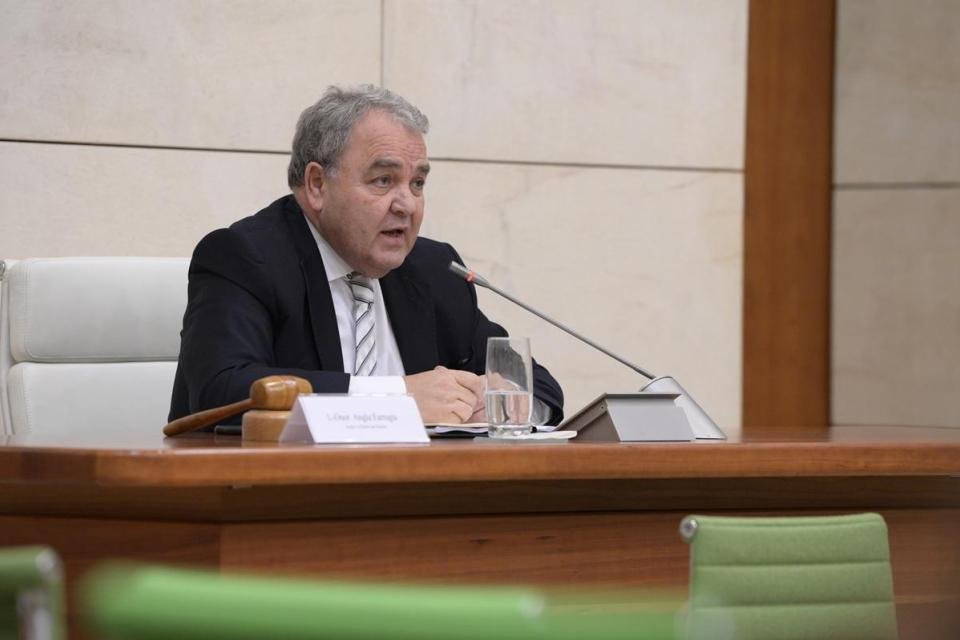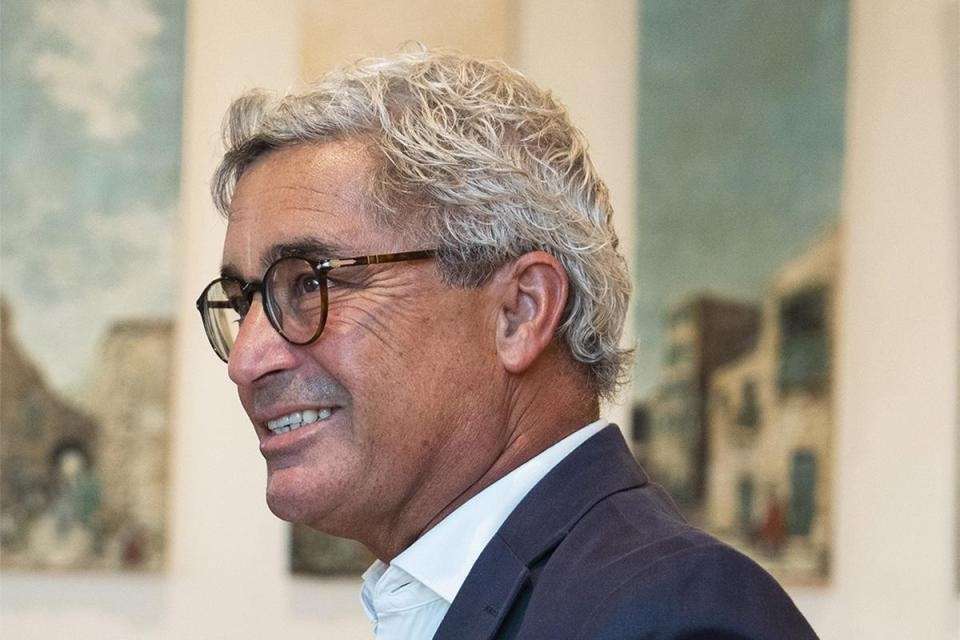

The next government’s real test in Malta, following the May 30, 2026, snap general election, will not be the campaign promises that secured Labour a historic fourth consecutive term, but its ability to translate economic stability into tangible improvements in quality of life while navigating mounting global and domestic pressures. Prime Minister Robert Abela called the election a year early, arguing that Malta needed a renewed mandate to confront an uncertain international climate shaped by the Iran war, energy volatility, and the risk of inflation spilling over from Middle East instability and the blockade of the Strait of Hormuz. With 87.4% turnout reversing 2022’s record low, the electorate delivered Labour another victory, yet the result was narrower than in 2013, 2017, and 2022, signaling voter fatigue and a demand for competence beyond headline growth figures.
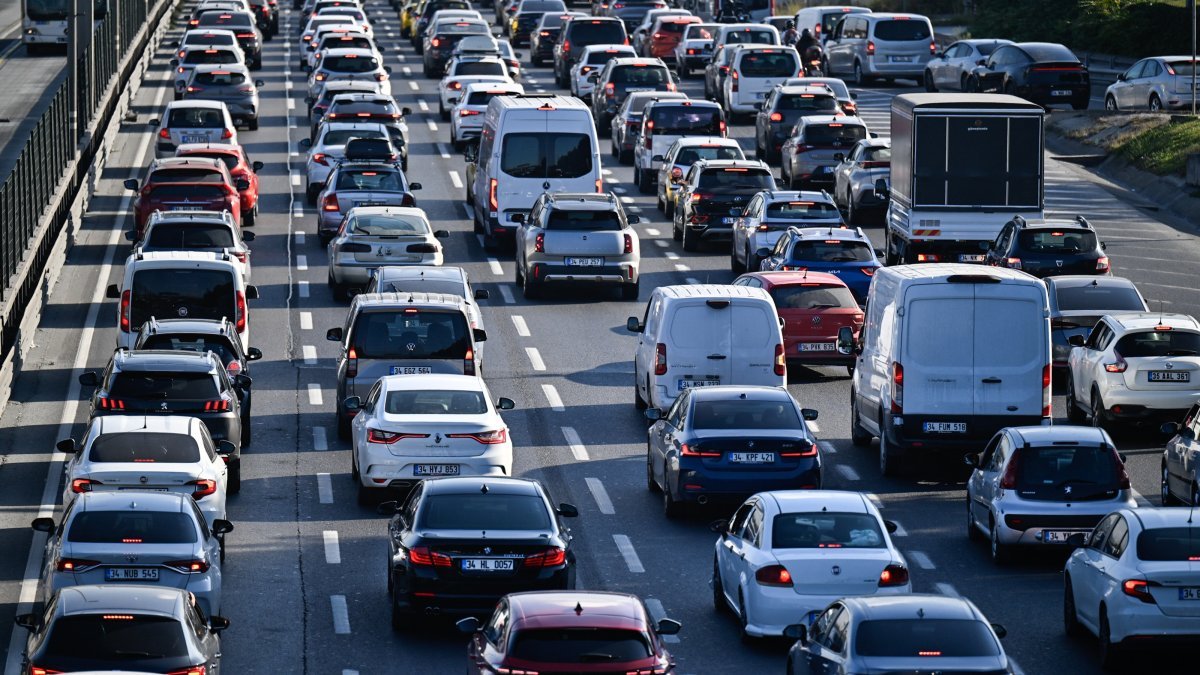
Malta’s economy remains one of the European Union’s standout performers, with 4% growth in 2025, low inflation, virtually no unemployment, and electricity and fuel prices frozen for nearly a decade, keeping them the lowest in Europe. Abela campaigned on that record, promising stability and continuity. But the next government’s test lies in addressing the consequences of that very success. A huge influx of migrant workers over the past decade has driven population growth in what is already the EU’s smallest and most densely populated member state, creating acute pressure on housing, infrastructure, and the public health service. Rising rents, overcrowding, traffic congestion, and strained hospital capacity were central to Nationalist Party leader Alex Borg’s argument that strong GDP numbers have not translated into a better daily life for ordinary Maltese families.
The government must also govern in the shadow of unresolved institutional questions. The 2017 assassination of investigative journalist Daphne Caruana Galizia remains a defining national trauma. A public inquiry concluded the state bore responsibility for creating an “atmosphere of impunity” that enabled her murder, and in June 2025 two men received life sentences for supplying the car bomb. While Abela was not in office at the time, restoring full public trust in the rule of law, media freedom, and anti-corruption enforcement remains unfinished business. The next administration will be judged on whether it strengthens institutions, ensures accountability, and demonstrates that economic performance and good governance are not competing priorities.
External risks add another layer to the test. Malta is heavily reliant on imports, and any spike in aviation fuel prices or supply disruptions could undermine tourism, a pillar of the economy. The government has shielded households from energy shocks so far, but sustaining those subsidies while investing in infrastructure, healthcare, and affordable housing will require fiscal discipline and long-term planning. With the Opposition now led by 30-year-old Alex Borg, parliamentary scrutiny will be generational and persistent, especially as younger voters express frustration with construction, environmental degradation, and quality-of-life issues.
Ultimately, the next government’s real test is whether it can move from managing prosperity to managing complexity. Winning a fourth term is historic, but the mandate comes with an electorate that turned out in higher numbers than 2022 because it wants answers on rent, hospital waiting times, overdevelopment, and institutional reform. The campaign is over. The measure now is delivery, and the public will be watching whether stability becomes stagnation, or whether Malta’s economic strength can finally be felt in the streets, homes, and public services of daily life.