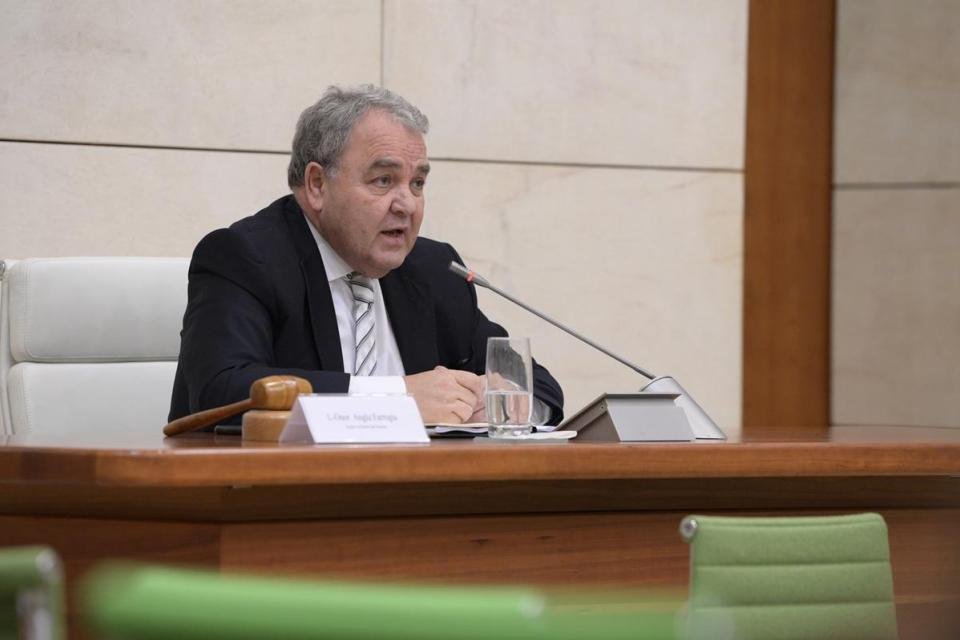

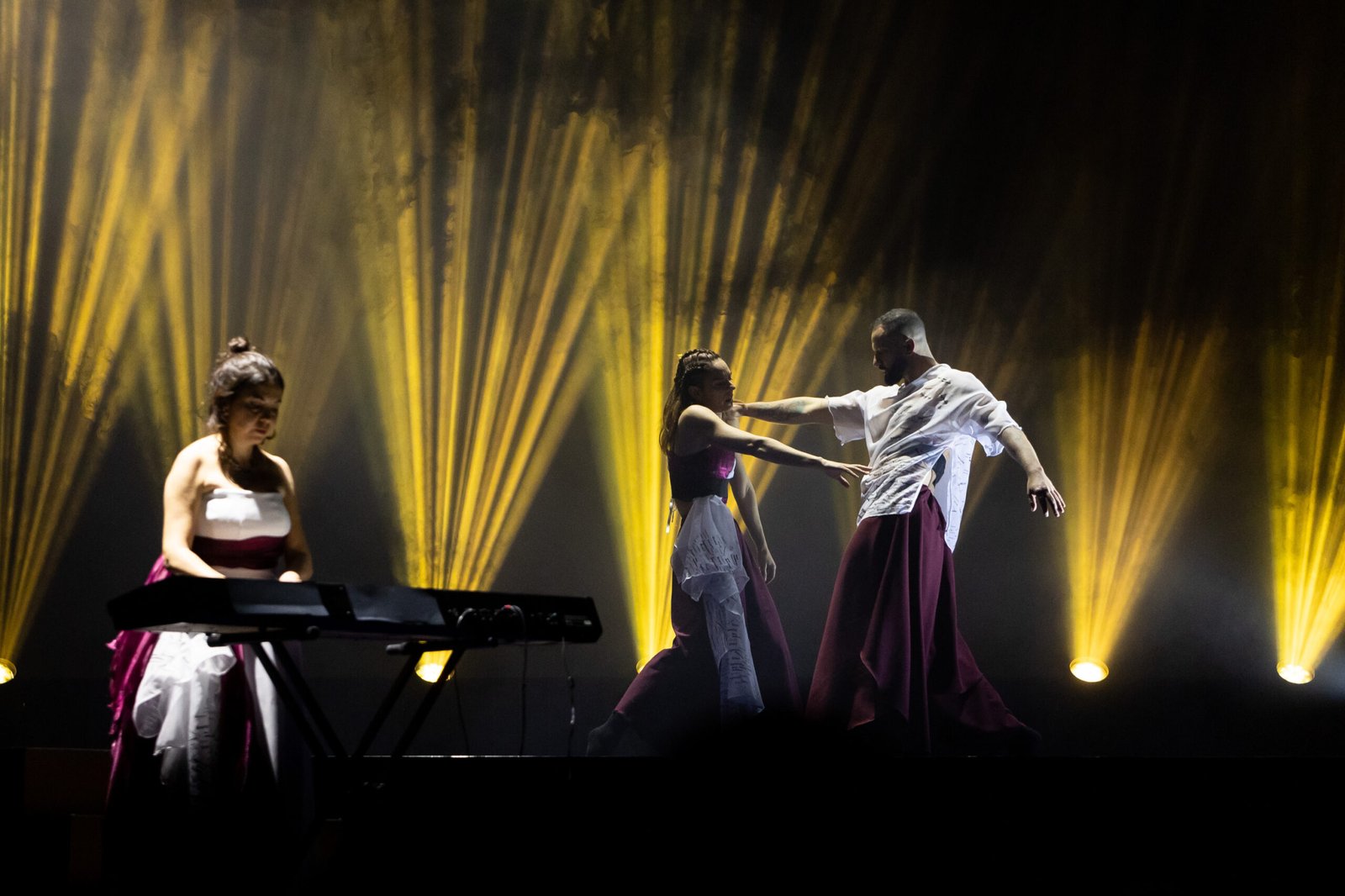
Arts Council Malta has launched a new national survey on cultural participation in collaboration with the National Statistics Office, continuing a long-term research programme that aims to map how people in Malta engage with arts and culture and to shape future evidence-based cultural policy. The initiative builds on earlier editions carried out in 2011, 2016 and 2019, with the 2016 survey revealing that 91 percent of the adult population had participated in a cultural activity and that 76 percent were part of the current culture market defined as those who visited a cultural event in the past three years, a figure comparable to other developed nations, while the 2019 Cultural and Creative Practice Survey conducted by telephone interview among 1,019 participants found that 27.9 percent of the population aged 16 and over practised at least one cultural, creative and artistic activity in the previous twelve months, and the forthcoming 2024 edition was presented at the State of the Arts National Symposium Renewing Common Pathways in Valletta. This latest national survey, designed to reach all persons aged 16 years and over living in private households in Malta, uses computer-assisted telephone interviews and face-to-face interviews to explore not only attendance at events such as parish feasts which recorded the highest attendance at 67 percent in 2016, cinemas at 42 percent, theatre and concerts at 32 percent each, historical sites and museums, but also active participation in carnival, playing an instrument or painting, which stood at 37 percent, and goes further to investigate the attitudes, preferences, lifestyles and barriers that determine why people choose to participate or not.
By gathering fresh data on participation by age, region, education and evolving digital habits, the Council intends to enable comparative and longitudinal analysis with previous surveys, inform its funding programmes, support audience development for practitioners and organisations across the public, private and voluntary sectors, and strengthen the case for the value of culture in national life, with findings expected to be published in dedicated reports, critical essays by experts, and an interactive online dashboard allowing customised charts and comparisons.