
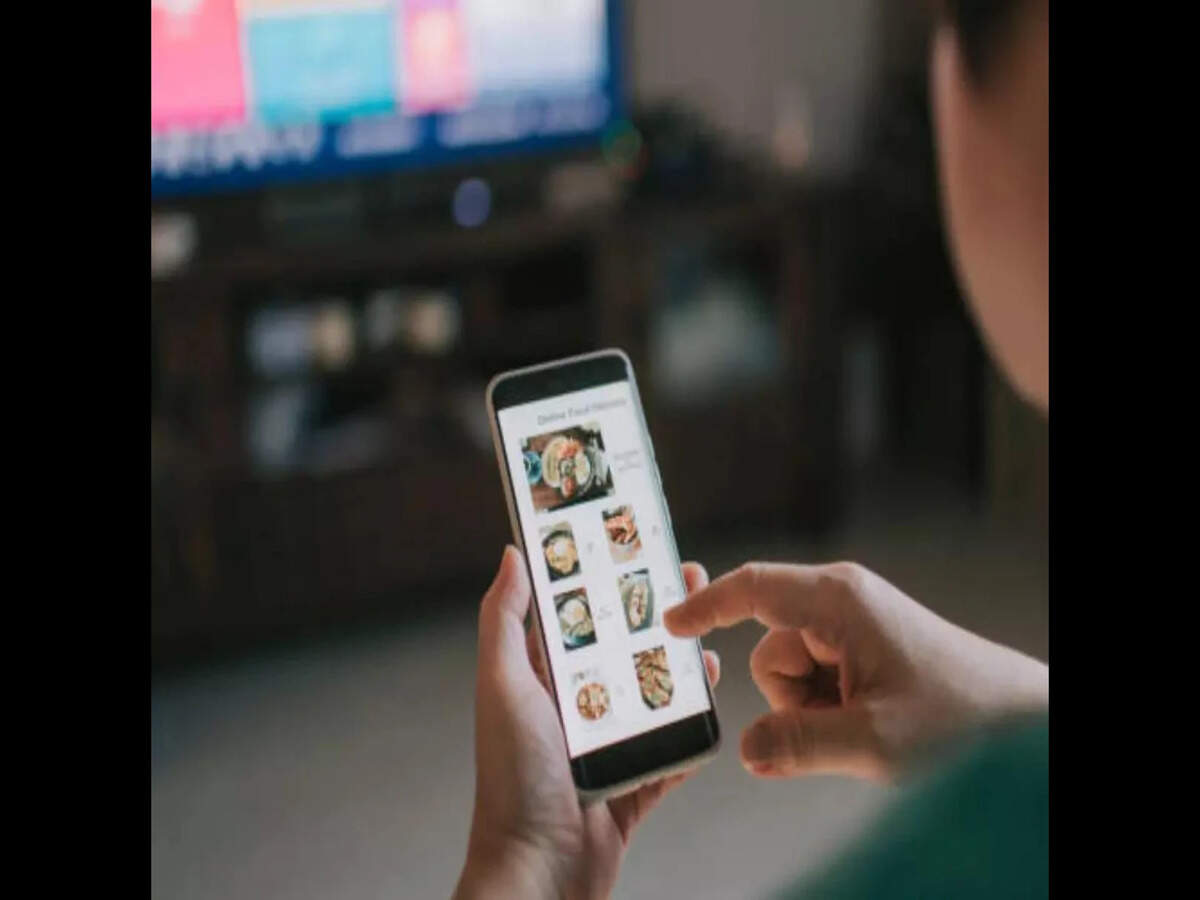
There is a new kind of app blowing up in 2026, and it is not selling anything real. People are downloading so-called “dopamine apps” that let them place fake orders for food, packages, and rides, just to feel the rush of getting a delivery notification. No driver shows up. No box arrives. But your phone still buzzes, the app still shows “out for delivery,” and for a few minutes you get the little hit of anticipation that usually comes with online shopping.
The reason is simple: the anticipation part of ordering is often more rewarding than the thing itself. The ping, the tracking map moving, the “your order is 3 stops away” message — that sequence triggers dopamine. For a lot of people, especially in a time of endless scrolling and instant gratification, that micro-excitement has become its own product. These apps let you order a fake coffee, a fake sneaker drop, or a fake takeout meal anytime you want a quick mood lift, without spending real money or dealing with clutter.
It is also about control. Real deliveries are late, wrong, or expensive. Fake ones are always on time, always perfect, and you can cancel without guilt. Some apps even let you customize the driver name, the estimated arrival, and the unboxing animation so it feels personal. For others, it is a way to cope with stress or loneliness — the app pretends someone is thinking of you and sending something.
Psychologists are split. Some call it harmless escapism, a low-stakes way to get a mood boost. Others worry it trains people to chase notifications over real experiences. Either way, “dopamine apps” show how far the delivery economy has come. We did not just get faster shipping. We got so used to the feeling of waiting for something that now we are paying to simulate it, even when nothing is actually coming to the door.