
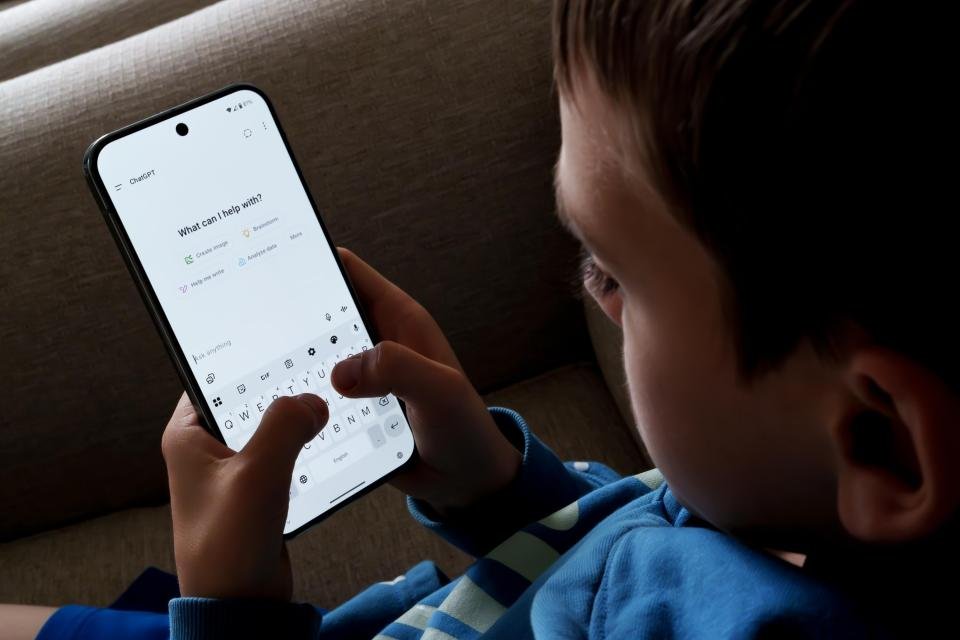
OpenAI has launched a new version of its chatbot aimed specifically at younger users, called ‘ChatGPT for Teens’, rolling it out at a time when the company is facing mounting legal scrutiny over how its tools affect minors.
The move comes after a wave of lawsuits and regulatory questions about the impact of generative AI on teenagers, with critics arguing that unrestricted access to chatbots can expose young users to misinformation, inappropriate content, and unhealthy patterns of reliance. In response, OpenAI says the teen-focused version includes built-in safeguards, age-appropriate guardrails, and stronger parental controls designed to make conversations safer and more educational.
The new experience will tailor responses for a younger audience, limit certain types of advice, and include prompts that encourage critical thinking rather than blind acceptance. Parents will also get more visibility and oversight options, something regulators and advocacy groups have been pushing for. OpenAI frames the launch as part of a broader effort to balance innovation with responsibility, arguing that teens are already using AI and deserve tools built with their safety in mind.
Legal pressure has clearly accelerated the rollout. Several cases in the US and Europe have questioned whether AI companies are doing enough to protect users under 18, and policymakers have been debating new rules around data, mental health, and content moderation for minors. By introducing a dedicated product, OpenAI is trying to get ahead of that conversation and show it can self-regulate.
Whether ‘ChatGPT for Teens’ eases concerns or invites more will depend on how well the safeguards hold up in practice. For now, the launch signals a shift in how AI companies think about their youngest users, moving from open access to products that are deliberately designed, monitored, and restricted for a specific age group.