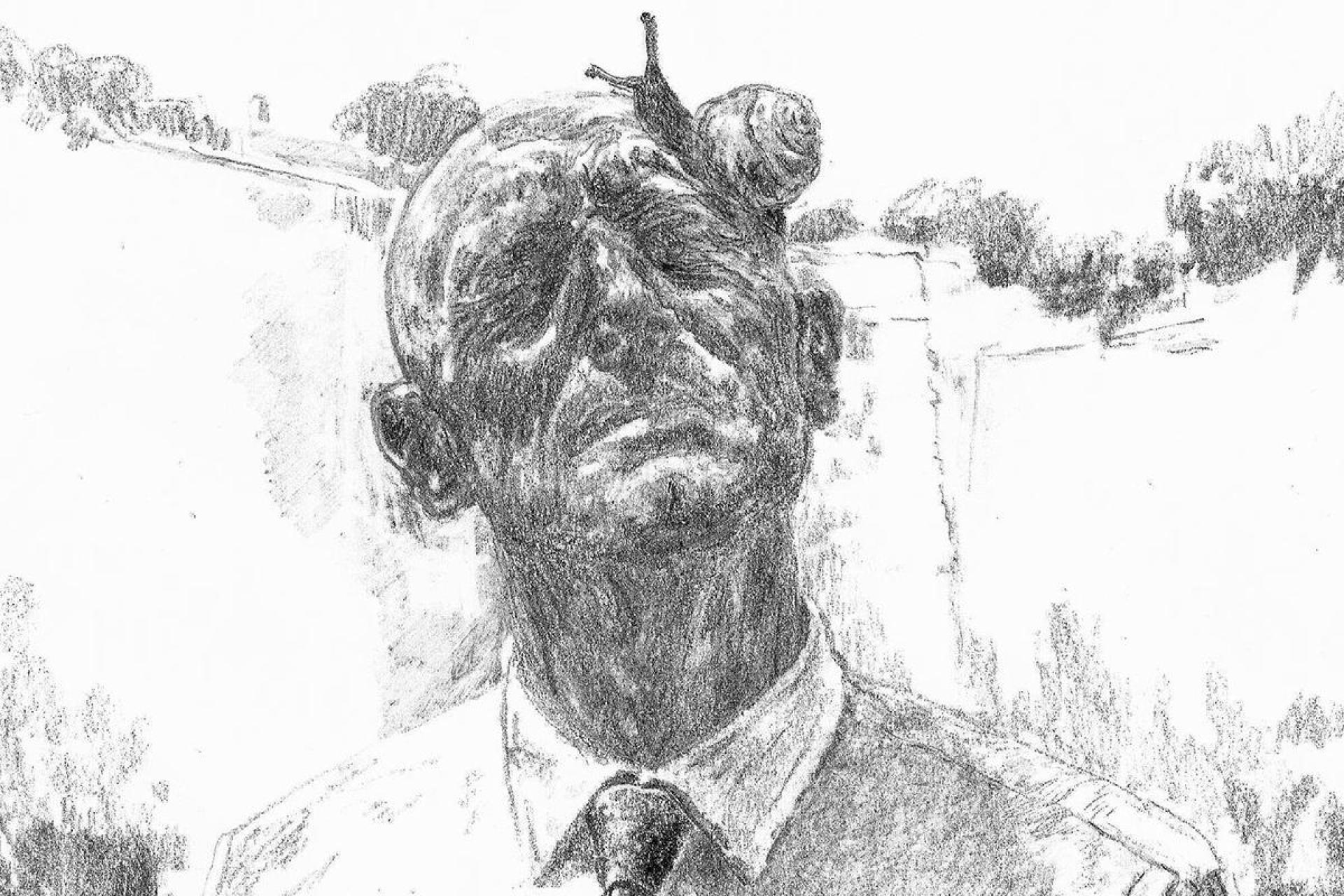

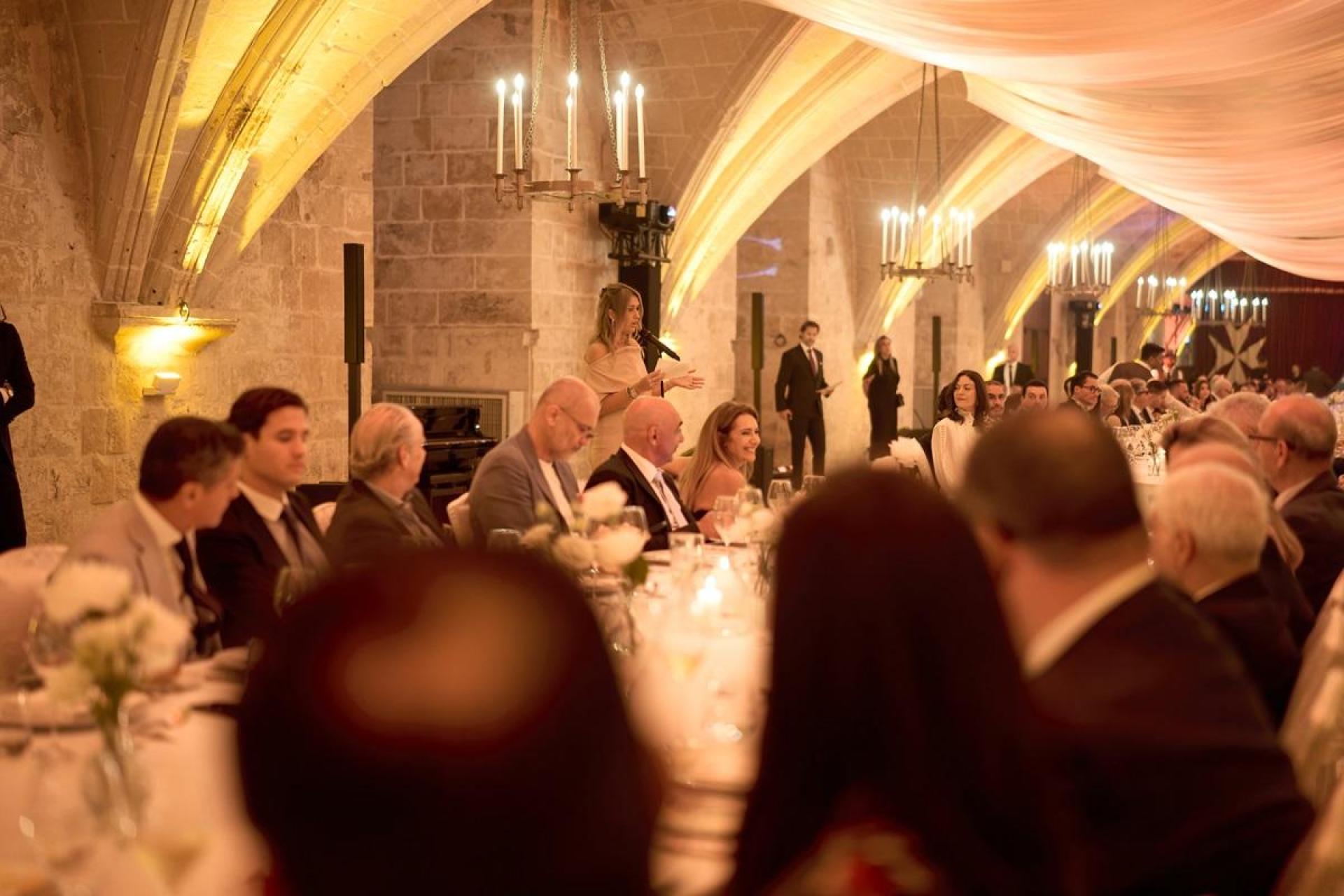
Eric Kaiser’s ‘Reflecting Surfaces’ invites viewers into a body of work that examines how light, material, and perception interact across different forms. The exhibition centers on surfaces that do more than hold an image — they actively shape what is seen, bending and scattering reflections to create layered visual experiences. Kaiser uses materials such as polished metal, glass, resin, and treated canvas to build pieces that change depending on the viewer’s position, the time of day, and the surrounding environment. This approach turns each work into a shifting encounter rather than a fixed object, asking people to move, pause, and look again.
The pieces in ‘Reflecting Surfaces’ explore themes of memory, distortion, and the space between reality and illusion. Some works incorporate fragments of recognizable imagery that dissolve into abstraction when viewed from an angle, while others rely entirely on texture and sheen to produce color shifts and depth. The artist’s process often involves sanding, layering, and coating surfaces until they reach a point where they both reveal and obscure, mirroring how recollection works in the mind. The gallery layout is arranged to heighten this effect, with lighting and spacing designed to produce deliberate moments of glare, shadow, and unexpected clarity.
Kaiser’s background in both painting and sculpture informs the way he treats each surface as a site of tension between control and chance. He sets up conditions for reflection and refraction but allows the final outcome to be influenced by the room itself, making the audience part of the work. The result is an exhibition that feels quietly active, where still objects generate motion through the act of looking. ‘Reflecting Surfaces’ does not present a single message or narrative; instead it offers a series of encounters that prompt questions about how we see, what we remember, and how much of what we perceive is shaped by what stands between us and the image.