
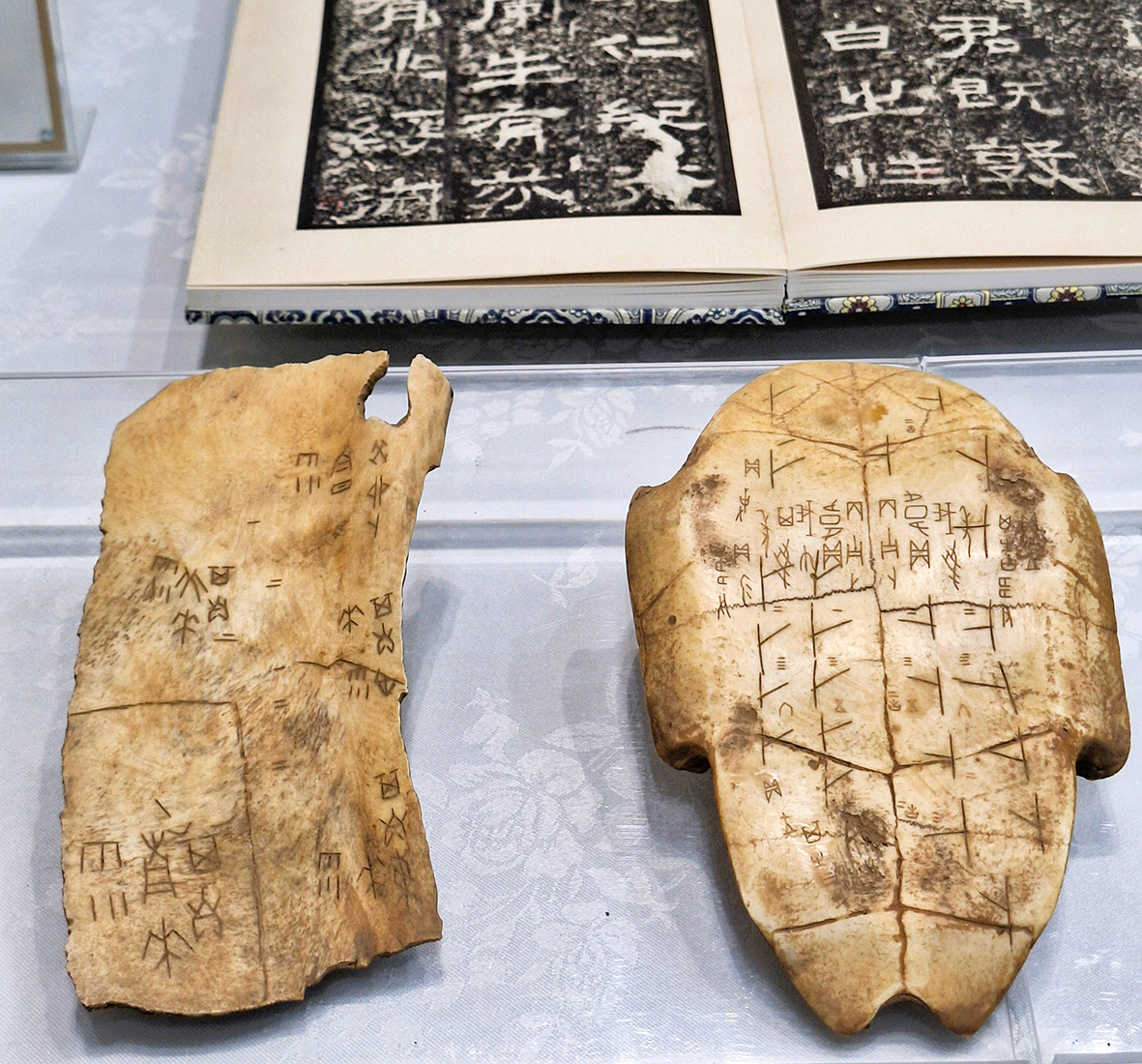
A new exhibition in Malta is offering visitors a rare window into the art and evolution of Chinese writing, tracing a tradition that stretches back thousands of years and remains central to China’s cultural identity. The showcase brings together calligraphy scrolls, ancient oracle bone inscriptions, bronze vessel rubbings, and modern interpretations that demonstrate how Chinese characters have shifted in form and function across dynasties while keeping their distinctive visual power. Organizers say the aim is to highlight writing not just as a means of communication, but as a respected art form that blends philosophy, discipline, and aesthetics.
For Malta, an island at the crossroads of the Mediterranean with its own layered history of language and script, the exhibition creates a dialogue between East and West. Visitors can follow the journey from early pictographs carved into bone and shell to the refined brushwork of classical calligraphy masters, then to contemporary artists who experiment with ink, space, and digital media. Interactive sections invite people to try basic strokes with brush and ink, giving a sense of the balance, rhythm, and patience that calligraphy demands. Scholars and curators have also included explanations of how writing shaped governance, poetry, and daily life in ancient China, connecting the objects on display to the broader story of a civilization.
The exhibition arrives as cultural exchange between China and Europe continues to expand, and Malta’s museums have become active participants in that conversation. By presenting these works in Valletta, the organizers hope to deepen appreciation for a writing system that is both functional and artistic, and to encourage cross-cultural understanding through shared respect for craftsmanship and heritage. For many visitors, it will be the first time seeing centuries-old texts up close, and the experience underscores how a single written character can carry history, meaning, and beauty all at once.