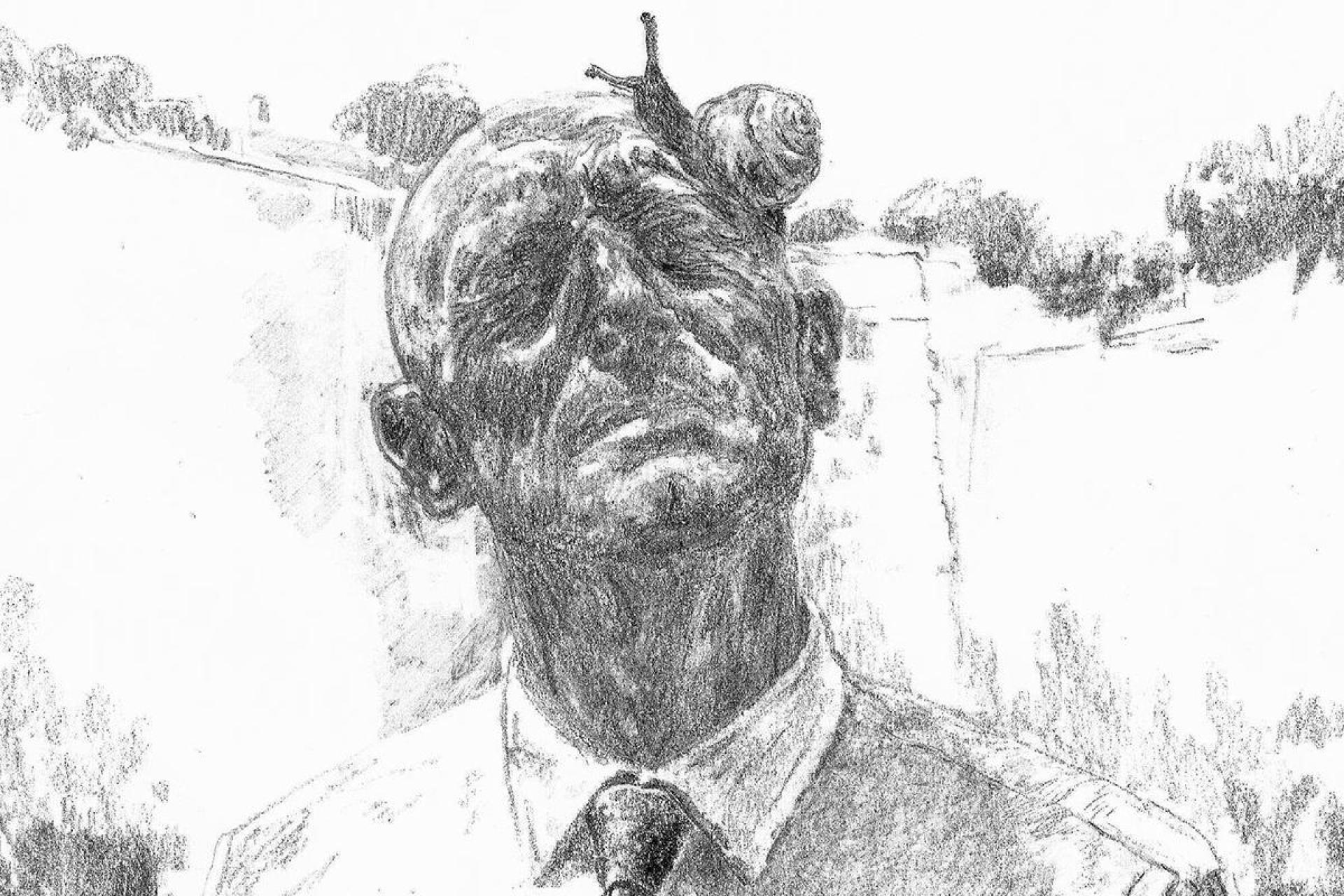

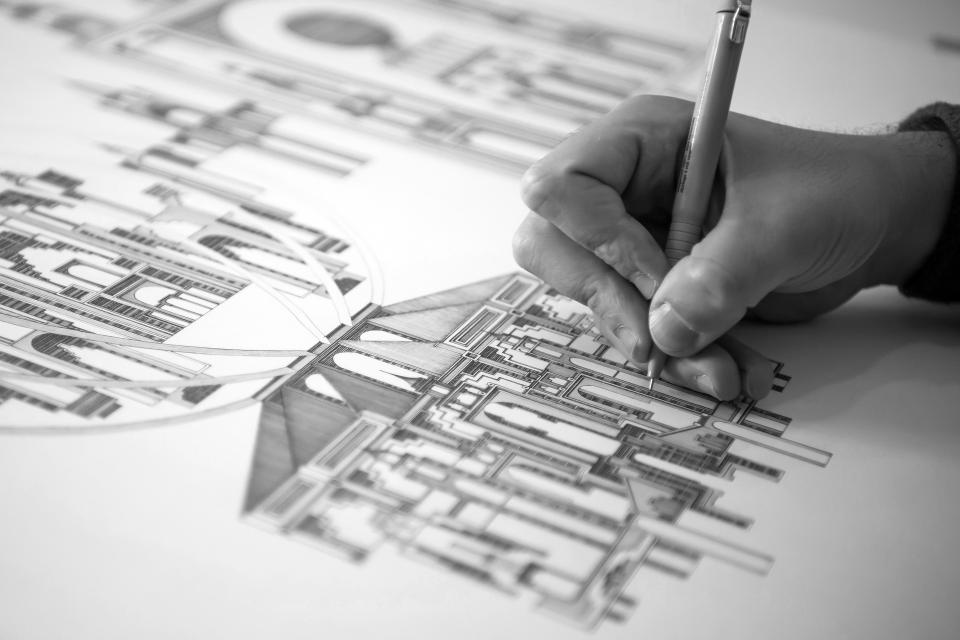
Art that lives between memory, imagination, and architecture creates a space where the past and the possible are built into physical form. In this intersection, a building is never just concrete and glass, and a painting or installation is never confined to the frame. Memory brings the weight of history, personal stories, and cultural traces that give a place its emotional texture. Imagination stretches those traces forward, asking what could be, what should be remembered, and how feeling can take shape in line, light, and volume. Architecture then grounds both impulses, translating intangible ideas into rooms, facades, and public spaces that people can enter, touch, and inhabit.
When artists and architects work in this overlap, they treat structures as vessels for narrative. A wall might carry the grain of a city’s industrial past while a soaring atrium suggests openness to futures not yet written. Materials become language: weathered stone speaks of endurance, translucent panels hint at transparency and change, and unexpected voids invite reflection. The result is work that does more than occupy space; it activates it. Viewers or residents move through corridors that feel like recollections, stand under ceilings that feel like dreams, and experience daily routines inside designs that acknowledge what came before while proposing new ways of living.
This approach matters because cities are layered by definition. Every site holds remnants of who was there, what was lost, and what was hoped for. Art that engages architecture through memory and imagination refuses to let those layers be paved over. Instead, it asks how we can build with care for the stories embedded in a place and still leave room for invention. It recognizes that a community’s identity is not static, and that the structures we create should hold both continuity and transformation. In galleries, in urban plazas, and in homes, the conversation between memory, imagination, and architecture becomes a practice of keeping time visible. The outcome is not only beauty, but a deeper sense of belonging, where the built world reflects the full complexity of human experience.