

Last week’s local and regional elections delivered a blunt verdict on Prime Minister Keir Starmer’s Labour government, exposed the continued fracturing of Britain’s traditional two-party system, and offered little comfort to either major party as voter anger intensified. Labour suffered heavy losses across England, Scotland and Wales just under two years after winning a landslide national election, with support evaporating even in traditional strongholds across former industrial regions in central and northern England. The party lost more than 500 councillors in England by Friday afternoon and surrendered control of emblematic councils such as Hartlepool and Tameside, while also being ousted from power in Wales after 27 years. In Scotland, Labour was reduced to two seats as the Scottish National Party retained dominance, and in Wales the nationalist Plaid Cymru made major gains while Reform UK won 11 seats in the newly expanded Senedd.
The main beneficiary was Nigel Farage’s Reform UK, which gained more than 700 council seats in England and established itself as the chief opposition force to the SNP and Plaid Cymru in Scotland and Wales. Reform won seats from Labour in the Midlands and secured its first London borough, Havering, running on an anti-establishment, anti-immigration platform that resonated in working-class areas once considered solid Labour territory. The Greens and Liberal Democrats also made gains, with the Greens picking up 112 councillors in urban centres and university towns, underscoring how votes are now fragmenting across the political spectrum. Sir John Curtice, Britain’s most respected pollster, said “the picture has been pretty much as bad as anyone expected for Labour, or words.
For Labour, the results reflected deep frustration with the pace of change rather than a wholesale rejection of its programme, according to Starmer. He acknowledged “unnecessary mistakes” and admitted his government had failed to offer hope when it took power, but vowed to fight on and deliver the change voters want. Despite speculation about his future, allies including Defence Minister John Healey and Deputy Prime Minister David Lammy rallied behind him, arguing that “you don’t change the pilot during the flight”. Still, many analysts doubt he will lead Labour into the next general election due by 2029, and some Labour MPs privately urged a timetable for his departure. The Conservatives also lost ground, dropping 312 councillors, as the traditional two-party dominance continued to erode.
The election highlighted three clear trends. First, voter volatility and impatience are high: Starmer’s popularity has plummeted since July 2024, and voters are punishing incumbents for cost-of-living pressures and slow delivery. Second, British politics is no longer a two-party contest. The rise of Reform UK on the right, the Greens on the left, and strong nationalist performances in Scotland and Wales signal what Le Monde called “the end of two-party politics”. Third, Labour faces an existential challenge in reconnecting with its base while fending off threats from all sides: Reform in northern metros like Sunderland and Barnsley, and the Greens and Lib Dems in inner London and university.
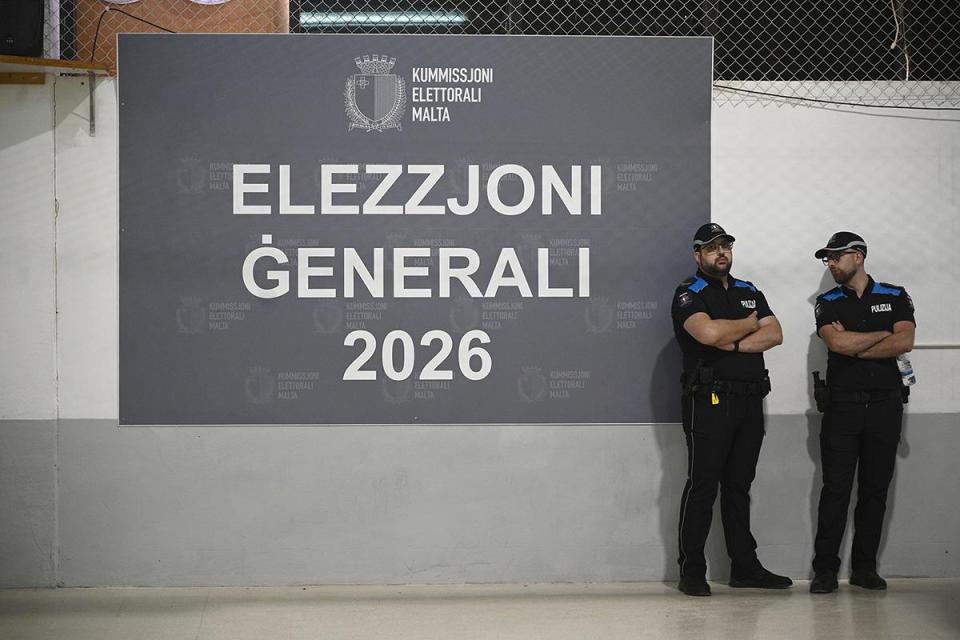
In Malta, by contrast, Labour secured a record fourth consecutive term, with surveys projecting an 18,000-vote lead over the Nationalist Party, though turnout is expected to fall to 79.2 percent. The difference underscores how national context shapes voter behaviour: Malta’s economy grew 4 percent last year with no real unemployment, while British voters are reacting to economic stagnation and political disillusionment.
Overall, last week’s results suggest British voters are willing to abandon traditional loyalties when they feel change is too slow, and neither Labour nor the Conservatives can assume their core vote is secure. For Labour, the message was clear: without faster, visible improvements in living standards, the electoral map will keep shifting toward insurgent parties.