
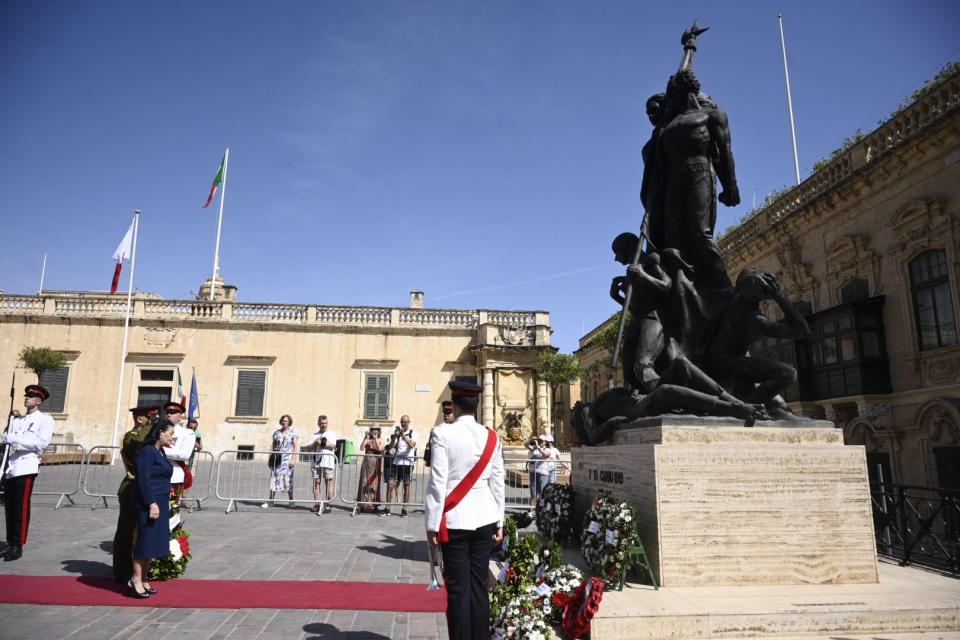
Momentum’s statement that “over a century since Sette Giugno, some voters remain unrepresented” draws a direct line from the foundational 1919 riots in Malta to current frustrations about democratic deficits in the country’s electoral system. Sette Giugno, commemorated each year on June 7, marked a turning point when Maltese civilians protested against bread prices, colonial administration, and lack of self-government, leading to the deaths of four citizens and ultimately forcing constitutional reforms that granted Malta its first responsible government in 1921. More than a hundred years later, Momentum argues that the promise of full political representation remains incomplete for significant portions of the electorate.
The civil society movement points to structural features of Malta’s single transferable vote system and the dominance of the Labour Party and Nationalist Party, which together have governed uninterrupted since independence. Despite successive electoral reforms, including the 1987 constitutional amendment to guarantee proportionality and the 2021 gender corrective mechanism, Momentum contends that voters whose preferences fall outside the two main parties still struggle to see those views translated into parliamentary seats. Third parties and independent candidates face high effective thresholds, entrenched party loyalty, and campaign financing disparities that limit pluralism, meaning thousands of votes end up having little practical influence on legislation or policy.
Momentum links this representation gap to growing voter apathy and declining turnout, which fell to 79.2 percent in the most recent general election, the lowest since 1955. It argues that when citizens perceive their vote as symbolic rather than substantive, confidence in institutions erodes and democratic participation becomes procedural rather than meaningful. The group invokes Sette Giugno not as a historical footnote but as a reminder that constitutional change was won through popular pressure, and that the next step in Malta’s democratic evolution must address how parliamentary seats are allocated so that every vote carries weight.
By framing the issue through the lens of Sette Giugno, Momentum seeks to shift the debate from personalities and partisan advantage to the design of the electoral system itself. It calls for renewed discussion on proportional outcomes, district size, and barriers to entry for new political movements, arguing that genuine representation requires more than the right to vote every five years. Until the system reflects the full diversity of voter preference, the group says, the legacy of 1919 remains unfinished and a portion of the electorate will continue to feel politically voiceless, over a century after Maltese citizens first died demanding a say in their own governance.