
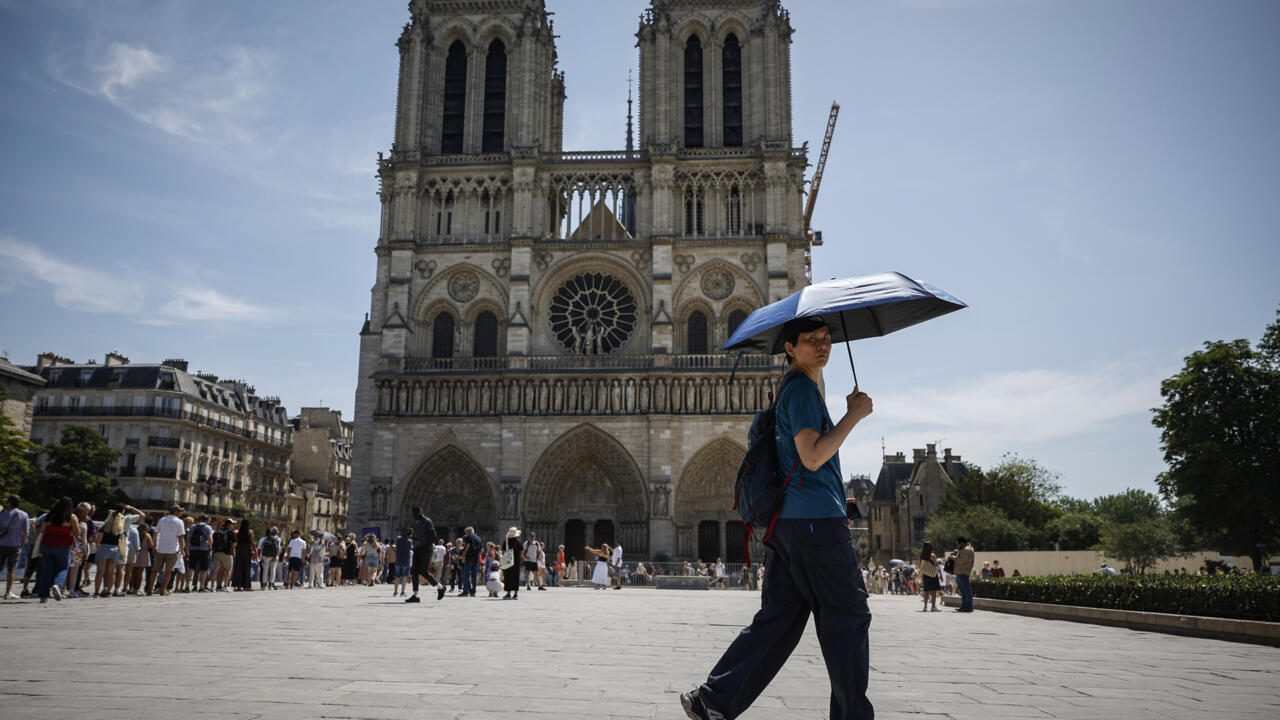
France’s national weather service, Météo-France, warned on Friday, May 30, 2026, that strong storms would likely mark the end of a record-breaking heatwave that had gripped the country and much of northern Europe, contributing to multiple deaths and widespread disruption. The heatwave saw France, Britain and Portugal all record their hottest May days ever, with temperatures reaching levels normally associated with the peak of summer.
After days of temperatures above 33°C in the Paris region and more than 30°C across several other departments, Météo-France said the arrival of a slightly cooler air mass would bring temperatures down on the night of May 30. However, it cautioned that the break in heat would come with violent weather. The agency warned of storms across northern France that would be localised but sometimes strong, accompanied by hail and wind gusts of more than 80 kilometres per hour, or 50 miles per hour.
The alerts were particularly urgent because huge crowds were expected outdoors over the weekend for major events, including the Arsenal-Paris Saint-Germain Champions League football final, the French Open tennis tournament, and major concerts in Paris. Météo-France advised people attending these events to remain vigilant for weather alerts as conditions could deteriorate rapidly.
During the heatwave, France recorded its highest temperature of 37.8°C in the Charente department. The extreme heat led to train service cancellations and power cuts in some cities. Junior Energy Minister Maud Bregeon said seven people had died in France directly or indirectly due to the heat wave, with five of the fatalities involving drownings as people sought relief in lakes, rivers or beaches. Emergency services also reported a 15% to 20% increase in emergency room visits in Rennes, where temperatures hit 33.4°C, with many patients suffering from sunstroke or heatstroke.
The heatwave was driven by a persistent high-pressure system known as a heat dome, which trapped hot air from northern Africa over Western Europe. This system blocked clouds and settled the atmosphere, pushing temperatures more than 10°C above seasonal norms. Of the 51 heatwaves recorded in France since 1947, more than half have occurred in the past 15 years, and Météo-France specialist Mattieu Sorel said it was highly likely that the country would see more extreme heatwaves this summer. The intense May heat affected schools, hospitals, and sporting events, with several amateur running races cancelled and players at Roland Garros describing the conditions as “insane” and reporting dizzy spells and heatstroke-like symptoms.
While the storms were expected to bring relief from the deadly temperatures, forecasters noted that the transition itself posed risks, with severe thunderstorms, hail, and damaging winds forecast for Saturday night into Sunday.