
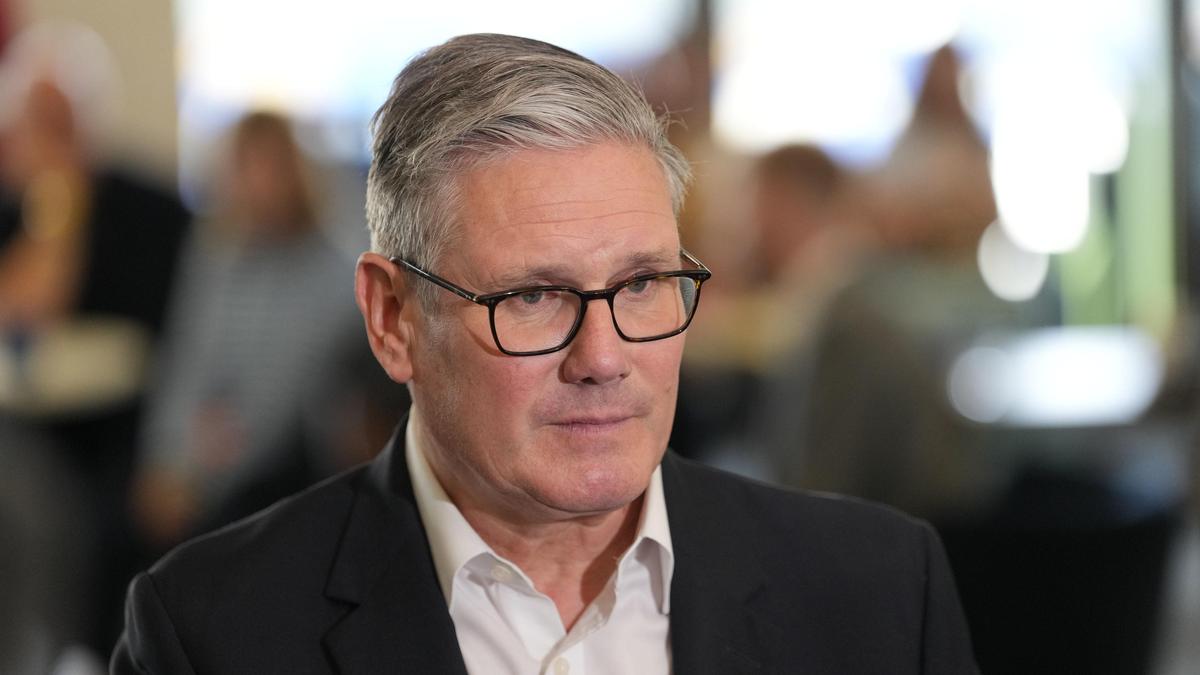
Beleaguered British Prime Minister Keir Starmer is set to attempt a political reset on Monday, May 11, 2026, as he confronts mounting threats to his leadership following disastrous local and regional election results that have shaken Labour’s foundations. Starmer’s office said he will acknowledge that “incremental change won’t cut it” with an increasingly disgruntled public, promising a bigger response on economic growth, closer ties with Europe, and energy policy. The pledge comes after Labour endured its worst losses for a governing party since 1995, shedding more than 1,400 council seats across England and losing control of the devolved government in Wales for the first time since the Cardiff parliament was established 27 years ago.
The scale of the defeat has emboldened critics within Labour and intensified speculation about Starmer’s future less than two years after he led the party to a landslide general election victory in 2024. Former junior minister Catherine West announced that if a Cabinet minister did not challenge Starmer by Monday, she would try to kickstart a leadership contest herself, a move that would require the backing of 81 Labour MPs, or 20% of the parliamentary party. Other MPs, including veteran Clive Betts and former loyalist Josh Simons, have publicly urged Starmer to step down, with Simons saying the prime minister had “lost the country.” Yet Education Minister Bridget Phillipson insisted a leadership contest was not the answer, and Defence Minister John Healey argued voters do not want “the potential chaos of a leadership election.”
Starmer has remained defiant, telling reporters “I am not going to walk away” and taking full responsibility for the losses while admitting his government made “unnecessary mistakes” and failed to offer enough hope after taking power. He pointed to voter frustration with the pace of change rather than the direction of policy, and vowed to double down on tackling the cost-of-living crisis compounded by conflicts in Ukraine and Iran. To shore up his position, Starmer has brought in Labour grandees Gordon Brown and Harriet Harman as advisers, with Brown appointed special envoy on global finance to help advise on how global finance can boost Britain’s security and resilience.
The electoral collapse was driven by a surge for Nigel Farage’s Reform UK, which gained more than 1,250 seats across England and won councils in Labour’s traditional post-industrial heartlands, while the Greens and nationalist parties also advanced in Scotland and Wales. Labour lost control of councils it had held for decades, including Tameside for the first time in almost 50 years and Wigan, where all 20 Labour seats went to Reform. A poll of Labour members found 45% think Starmer should resign, and Greater Manchester Mayor Andy Burnham has emerged as a potential contender, though he currently lacks a parliamentary seat needed to challenge.
Despite the pressure, Starmer signaled he hopes to stay in power until 2034 and will use Monday’s speech to frame a renewed agenda. Whether the reset calms unrest in the party remains uncertain, with analysts warning that the results reflect a fracturing of Britain’s two-party system and a public demanding faster delivery. For now, Starmer is betting that a more ambitious policy push can rebuild trust before the next general election due in 2029, even as rivals inside and outside Labour prepare for what could become a protracted battle over the party’s direction.