
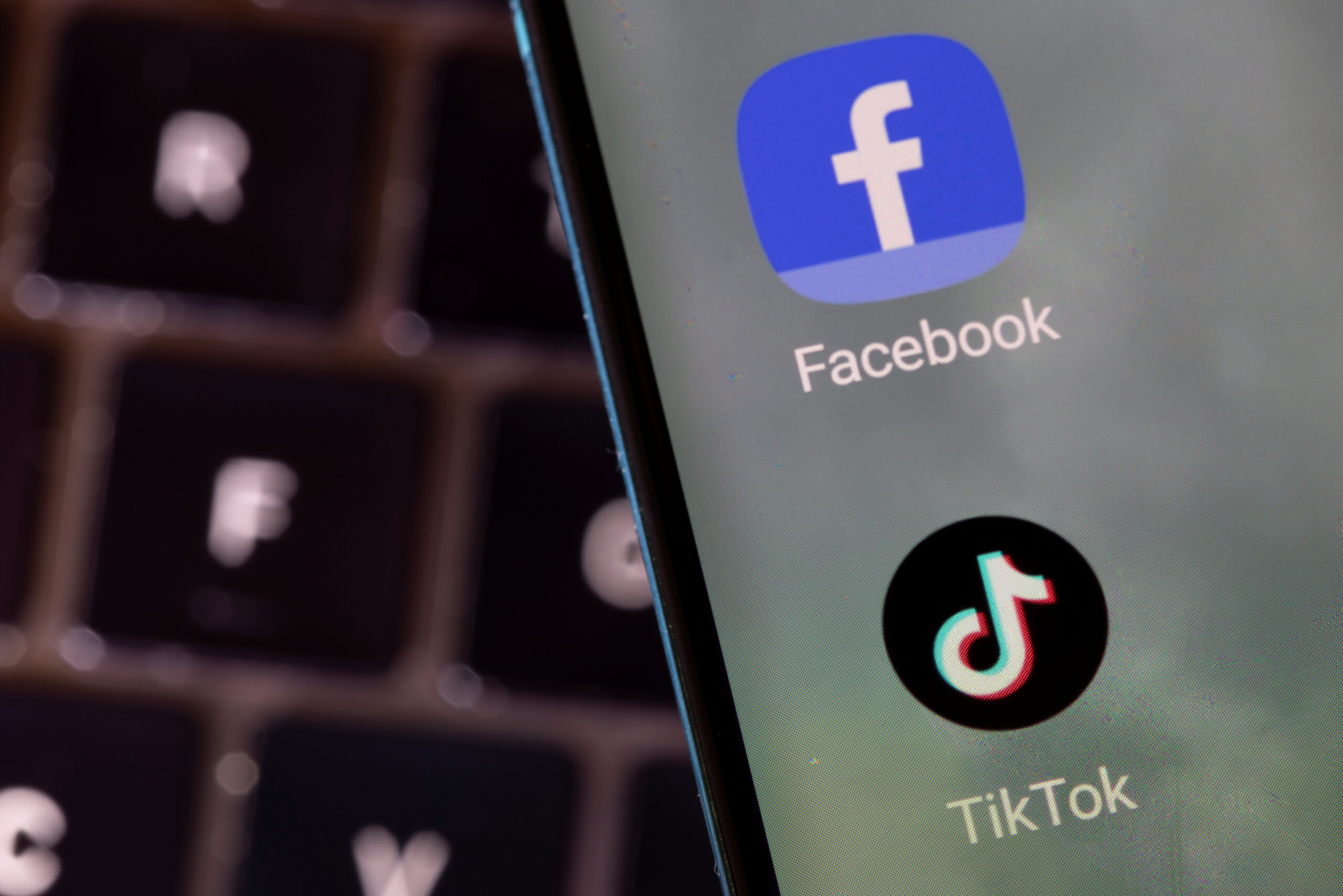
A new wave of European start-ups is attempting to build homegrown social networks to challenge the dominance of American and Asian tech giants such as Meta, X, and TikTok, betting that growing disillusionment with major platforms has created an opening for alternatives rooted in European values. Founders say the timing is favourable as transatlantic tensions under Donald Trump’s second presidency, combined with a perceived “conservative turn in Silicon Valley,” have deepened distrust among European users who have watched figures like Elon Musk and Mark Zuckerberg move closer to the US administration.
Among the most visible efforts is eYou, a Croatia-based network co-founded by Gregoire Vigroux that opened to users in 2025 after raising 300,000 euros in a second funding round. Vigroux argues that worsening relations between Europe and the United States make this the right moment for the continent to equip itself with its own social platforms. Other projects include W, a would-be competitor to X announced in January that aims to “bring back what was once Twitter in the good old days,” according to founder Anna Zeiter. Eurosky launched last month as a platform for accessing independent social networks, while Bulle, French for “bubble,” debuted in January promising a “healthy social network” focused on user well-being. Monnett, described as a hybrid of TikTok and Instagram, is set for full release in July and already claims more than 65,000 users on the beta version of its app.
Researchers note that rejection of American platforms is stronger today than in the past, driven by concerns over data practices, content moderation, and political alignment. Romain Badouard, a specialist in social networks at France’s Inria computing institute, points out that European users are increasingly uncomfortable with the direction of Silicon Valley leadership, creating space for new entrants that emphasize privacy, transparency, and local regulation. However, these start-ups face a steep, rocky road. Europe’s market remains highly fragmented by language and culture, making it difficult to achieve the “liquidity quality” and exponential growth that defined US successes. Unlike Silicon Valley, where investors have deep experience and capital to fund long-term bets on social products, European venture funding for consumer social remains cautious, and scaling across borders often means navigating distinct regulatory, linguistic, and cultural environments.
Historical attempts illustrate the challenge. Only a few European social platforms have reached global scale, such as UK-based OnlyFans in adult content and France-based Zenly, which was acquired by Snap in 2017. TikTok’s rise from outside the United States has shown that conquering global markets with a non-US product is possible, but European founders still contend with limited early-adopter communities that share a common cultural context.
Despite the odds, the new crop of networks is positioning itself as a values-driven alternative at a time when the European Union is increasing scrutiny of Big Tech through the Digital Services Act and demanding greater accountability on issues from deepfakes to election integrity. While their user numbers remain modest compared with the hundreds of millions on incumbent platforms, the founders argue that even capturing a niche of disaffected European users could prove sustainable if combined with clearer governance and local relevance. The coming months will test whether eYou, W, Bulle, Eurosky, and Monnett can convert skepticism of Silicon Valley into lasting engagement, or whether the structural advantages of existing giants will keep Europe’s social media landscape largely unchanged.