
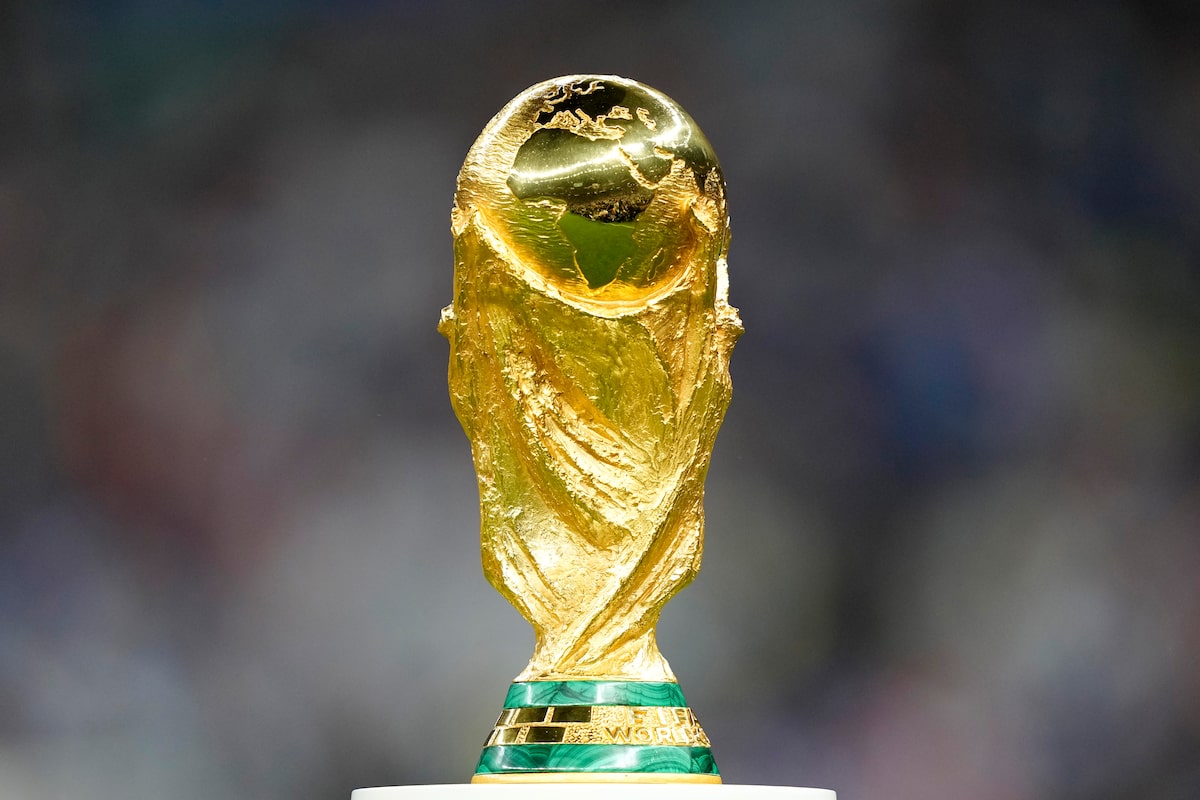
The 2026 FIFA World Cup is already shaping up to be the biggest tournament in football history, expanding to 48 teams for the first time and running from June 11 to July 19 across the United States, Canada, and Mexico. With 12 groups of four teams, the top two from each group plus the eight best third-placed finishers will advance to a new Round of 32, meaning 32 nations will reach the knockout stage. Early group-stage results show the three host nations making strong starts, with Mexico perfect in Group A on 9 points after three wins, while the USA tops Group D with 6 points and Canada sits second in Group B on 4 points.
Traditional powerhouses are also asserting themselves, as Brazil leads Group C with 7 points alongside an impressive Morocco side that matches them on points but trails on goal difference. Germany and Ivory Coast are tied at the top of Group E with 6 points each, showing both European pedigree and African strength early on. Switzerland has taken control of Group B with 7 points, while South Africa and Australia are holding second place in their respective groups as they push for a place in the knockouts.
Several groups look especially competitive and have been highlighted as potential “groups of death.” Group I, featuring France, Senegal, Iraq, and Norway, has the highest average FIFA ranking and is drawing attention for its depth, with France aiming for a third straight final and Senegal, Norway, and Iraq all capable of advancing. Elsewhere, the tournament format is designed to reduce collusion risk and guarantee every team plays at least three matches, while also providing more balanced rest.
Analysts have narrowed the list of genuine title contenders to a handful of teams, with Spain, Argentina, France, and England seeded into separate quadrants of the bracket to avoid meeting before the semifinals. Argentina enters as defending champion, though questions remain about Lionel Messi’s fitness, while Spain arrives as the reigning European champion. Brazil, under new leadership, and Portugal are also in the conversation, alongside dark horses like Morocco, Senegal, Ecuador, and South Korea.
With 104 total matches, the expanded World Cup has already delivered tight standings and early surprises, including debutants like Curacao and established nations like Czechia and Qatar facing uphill battles after slow starts. As the group stage progresses, the new structure is giving more nations a path forward while still rewarding the consistency of the sport’s traditional giants.