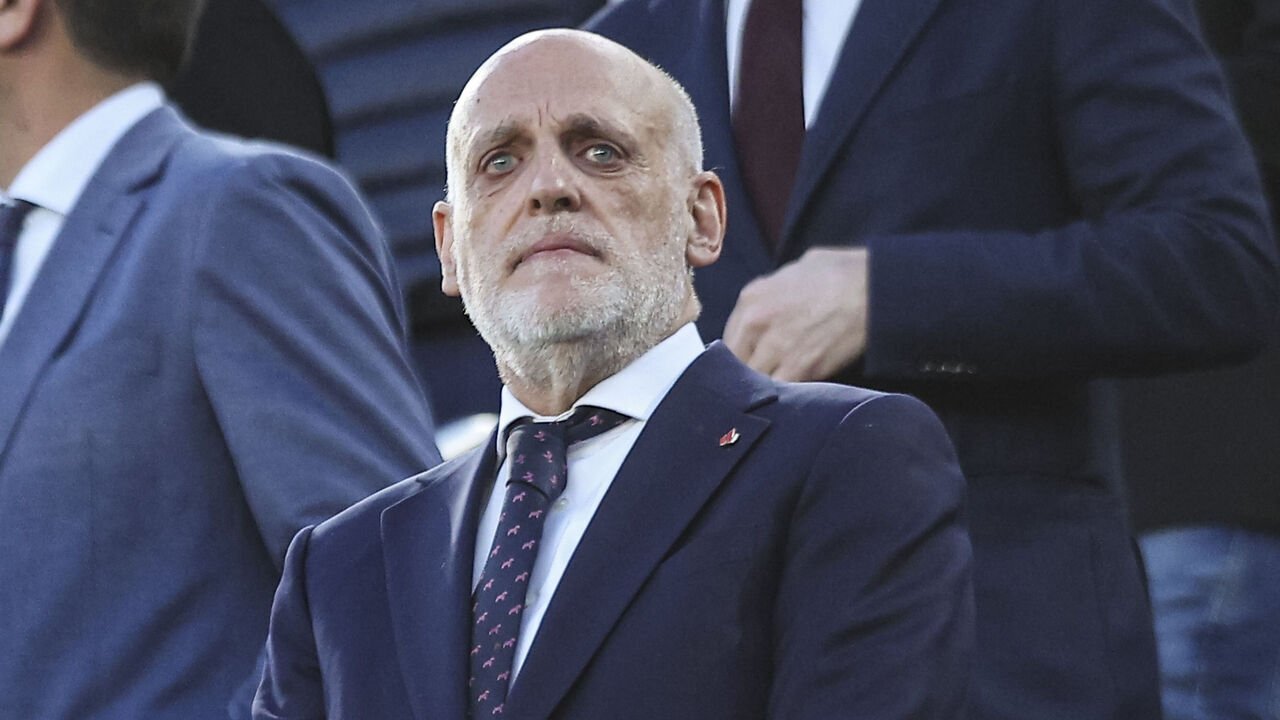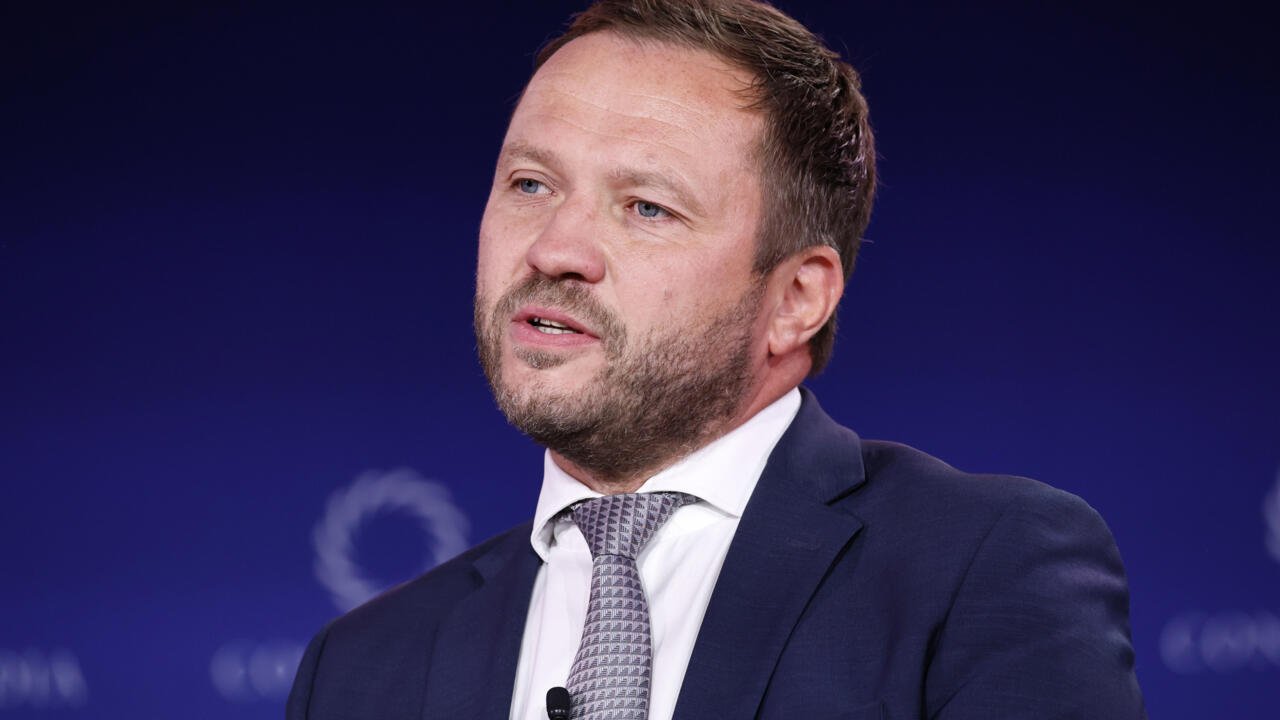

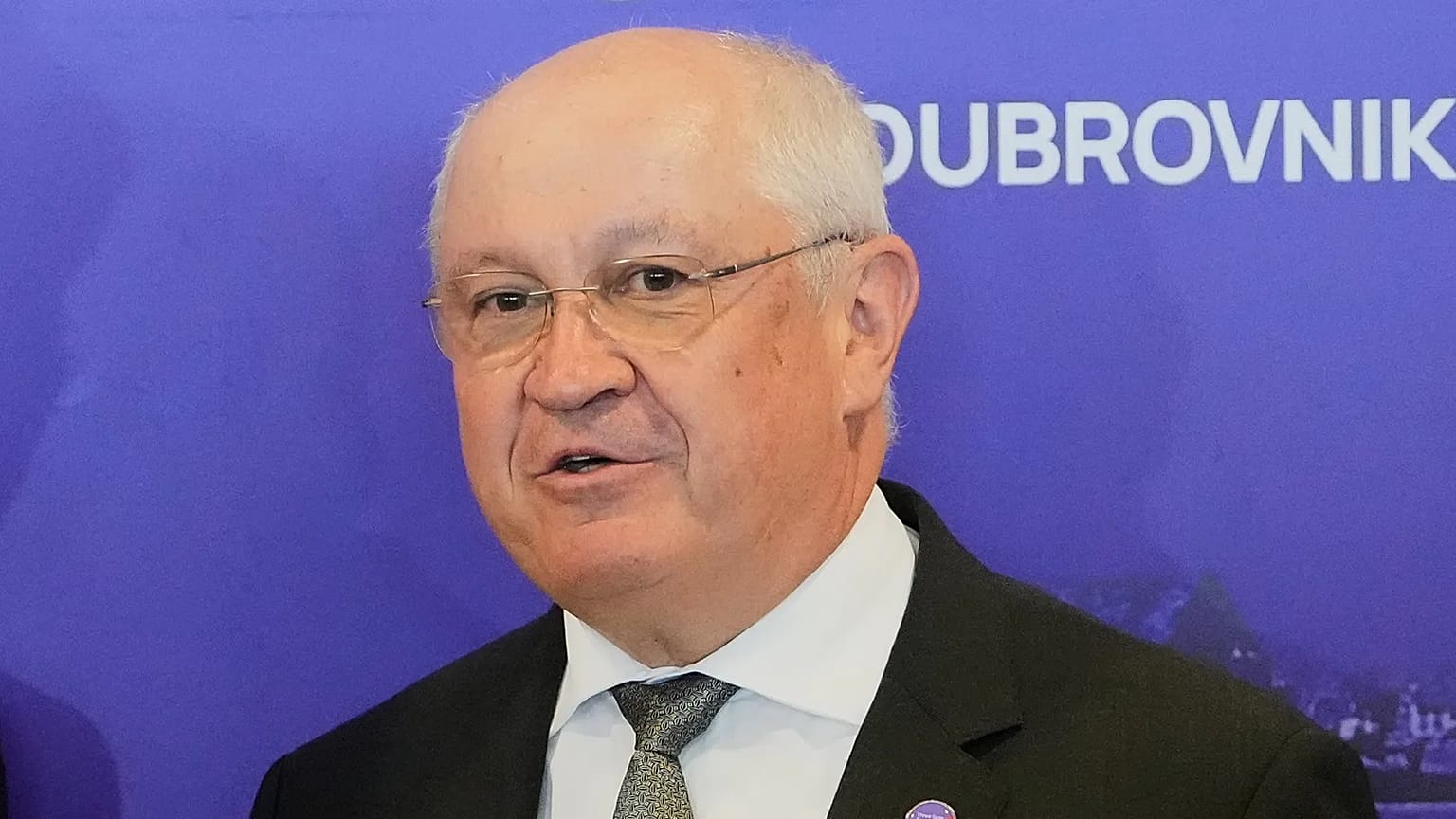
Moldova’s Prime Minister Munteanu has stepped down after just eight months in office, bringing an abrupt end to a tenure marked by economic pressure, political turbulence, and the challenges of steering the country through a complex regional environment. The resignation was announced following weeks of speculation about instability within the government, and it leaves Moldova facing another period of transition at a critical time.
During his time in office, Munteanu worked to address issues including inflation, energy security, and efforts to advance Moldova’s path toward European integration. However, balancing domestic demands with external pressures proved difficult, and divisions within the ruling coalition reportedly made it harder to maintain a unified policy direction. Analysts note that the short term also limited the government’s ability to deliver on several key reforms that had been promised at the start of his mandate.
The departure now triggers a process to form a new government, with parliament expected to begin consultations on a successor. Opposition parties have called for clarity and stability, while supporters of the outgoing administration credit Munteanu for attempting to navigate difficult circumstances despite the limited window he had to govern.
For citizens, the change adds uncertainty at a moment when Moldova is grappling with rising living costs and ongoing security concerns along its borders. International partners are watching closely, as continuity in leadership will be important for maintaining momentum on EU-related reforms and economic support programs. The resignation underscores how fragile political balance remains in Moldova, and how quickly leadership can shift in a country caught between competing priorities at home and abroad.