
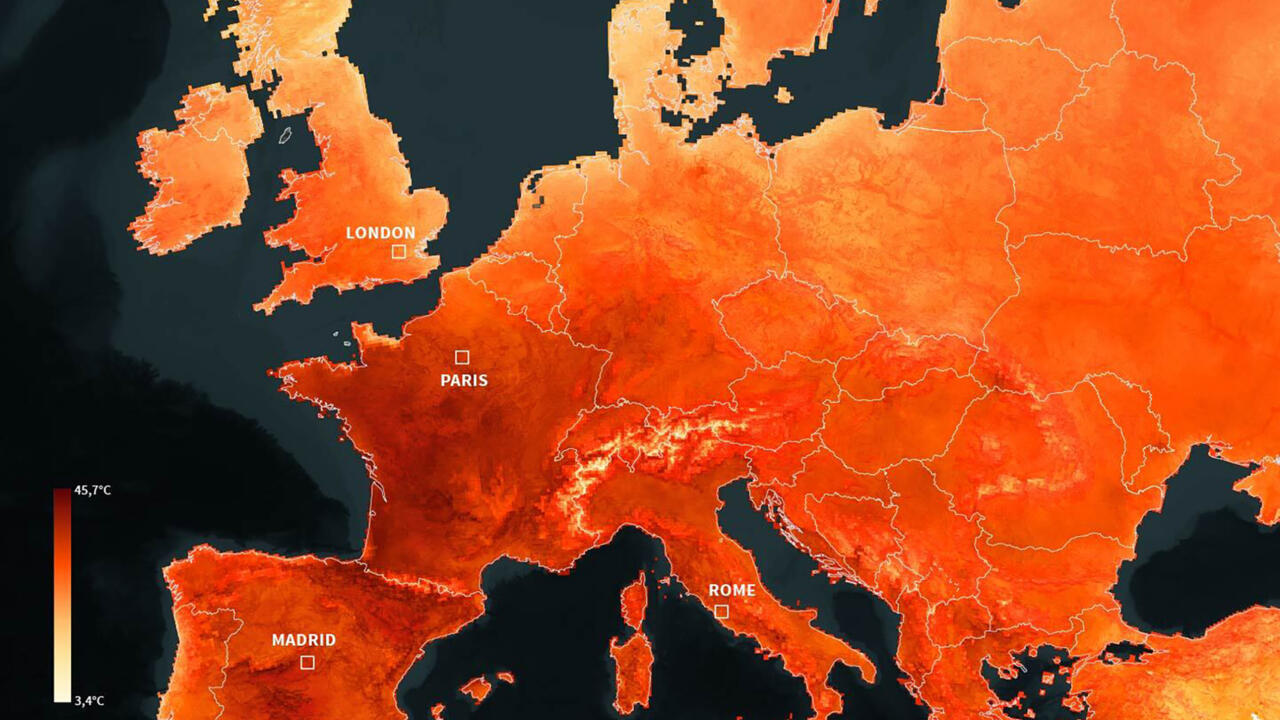
Mediterranean surface temperatures are rising sharply as much of Europe endures a record heatwave, placing additional stress on marine ecosystems, coastal communities, and regional weather patterns. Extended periods of extreme heat across the continent have driven sea surface temperatures well above seasonal averages, with large areas of the Mediterranean experiencing what scientists classify as marine heatwave conditions. The warming water intensifies evaporation, which can fuel heavier downpours and more volatile storms later in the season while also reducing the sea’s ability to absorb carbon dioxide.
For marine life, the sustained heat disrupts habitats and food chains, contributing to coral bleaching, the spread of invasive species, and mass mortality events among fish, mollusks, and seagrass meadows that are vital for biodiversity and fisheries. Coastal cities from Spain to Greece are reporting hotter nights and higher humidity as the warmer sea releases heat back into the atmosphere, prolonging health risks for vulnerable populations already coping with extreme daytime temperatures.
Researchers link the trend to broader climate patterns, noting that the Mediterranean basin is warming faster than the global average and that back-to-back heatwaves on land and sea are becoming more frequent and intense. The current conditions are also affecting tourism, agriculture, and energy demand, with power grids strained by air conditioning use and some beaches seeing changes in water quality due to algal blooms. While short-term variability will continue, the combination of atmospheric heat and rising sea temperatures signals a shift toward more persistent extremes, prompting calls for adaptation measures that address both human infrastructure and ecosystem resilience.