
The European Union has welcomed Ukrainian President Volodymyr Zelensky’s call for direct negotiations with Russian President Vladimir Putin, describing it as a constructive step toward ending the war that has now entered its fifth year. In an open letter addressed personally to Putin on Thursday, Zelensky proposed a face-to-face meeting in a neutral country and offered a full ceasefire for the duration of any negotiations, stating that Ukraine was ready for diplomacy but would continue fighting if talks failed. The letter also suggested that both Europe and the United States should be part of the process to help shape a new security architecture for the region, with Zelensky stressing that the front line should be the place where diplomacy begins.
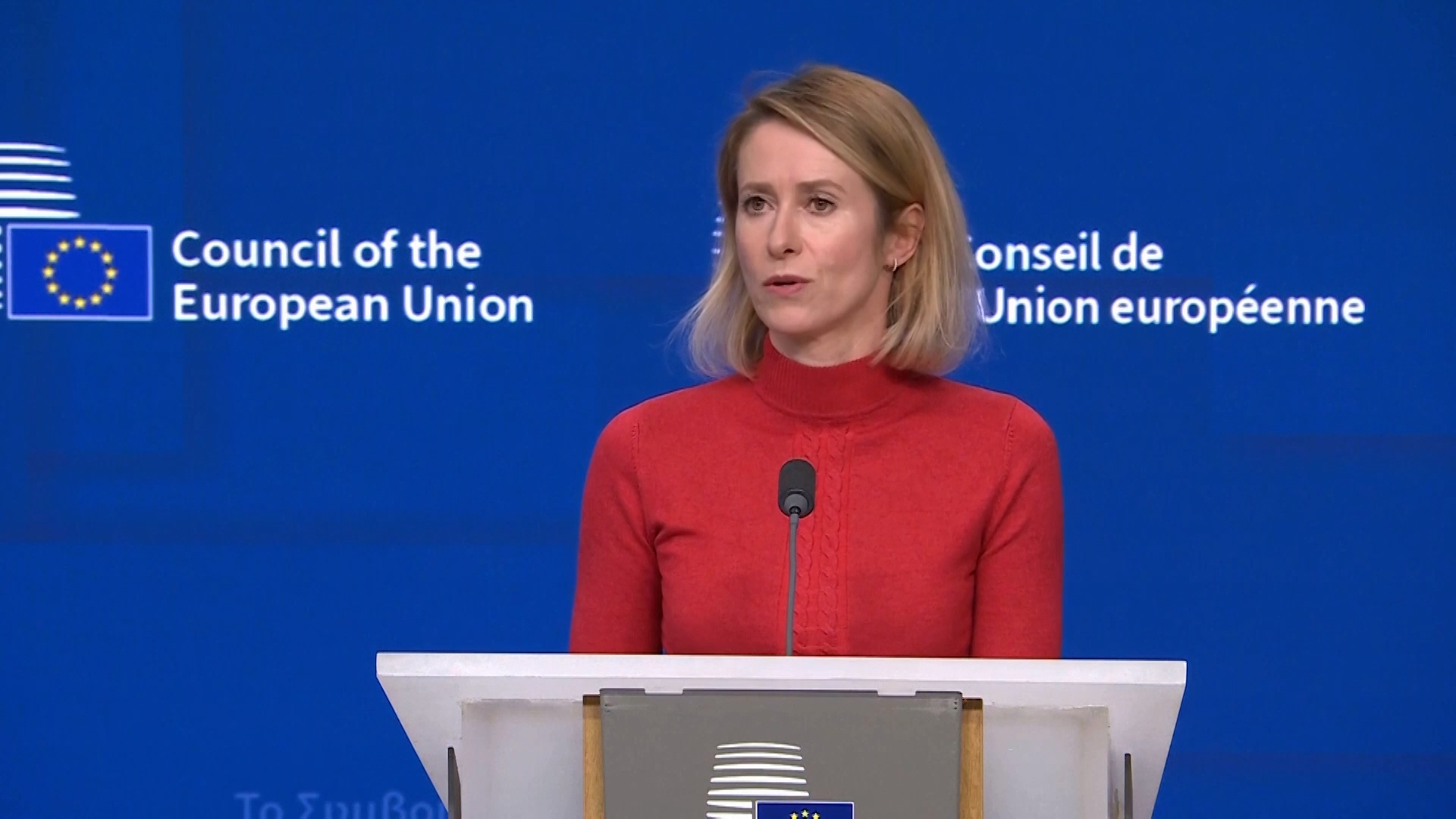
EU spokeswoman Anitta Hipper said the bloc backed Zelensky’s initiative, noting that Ukraine wants peace and Europe wants peace, and reiterated support for both a ceasefire and direct engagement between Kyiv and Moscow. French President Emmanuel Macron called the letter a good initiative and said it was now up to Ukraine and Russia to establish both a ceasefire and a peace plan, adding that Europeans could help with that process. He argued that now is the time, given how the situation is developing, to look to the future and re-establish dialogue to build a ceasefire and peace. Germany also welcomed Zelensky’s call for direct negotiations with the Kremlin chief, while officials indicated they remain open to structuring discussions with Russia on matters of common interest, including European security.
The proposal comes as US-led diplomatic efforts have stalled, with President Donald Trump urging both sides to meet and make compromises, though he did not specify what those should be. Zelensky’s letter followed Ukrainian drone strikes near St Petersburg during Russia’s major economic forum, which he referenced as Ukraine “paying a visit,” signaling that the appeal was made from a position of confidence rather than weakness. Ukrainian Foreign Minister Andrii Sybiha described the letter as a serious and meaningful proposal with clear, doable steps, and said it was time to end the war and choose peace.
The Kremlin confirmed it had received the letter but said Putin had not yet reviewed Zelensky’s peace proposal. Kremlin spokesman Dmitry Peskov said Zelensky was welcome to meet Putin in Moscow, though Zelensky had already ruled out such a scenario and instead suggested Switzerland, Turkey, or nations in the Arab world as neutral venues. Putin questioned Zelensky’s legitimacy as Ukraine’s leader and reiterated that he sees former German Chancellor Gerhard Schroeder as a potential trusted mediator, while rejecting EU involvement on the grounds that mediation assumes neutrality. Despite those reservations, European leaders stressed that direct talks between the two presidents could help break the diplomatic deadlock and build momentum toward a settlement, with Macron, British Prime Minister Keir Starmer and German Chancellor Friedrich Merz set to meet Zelensky in London on June 7 to coordinate further support for Ukraine and discuss increasing pressure on Russia’s war effort.