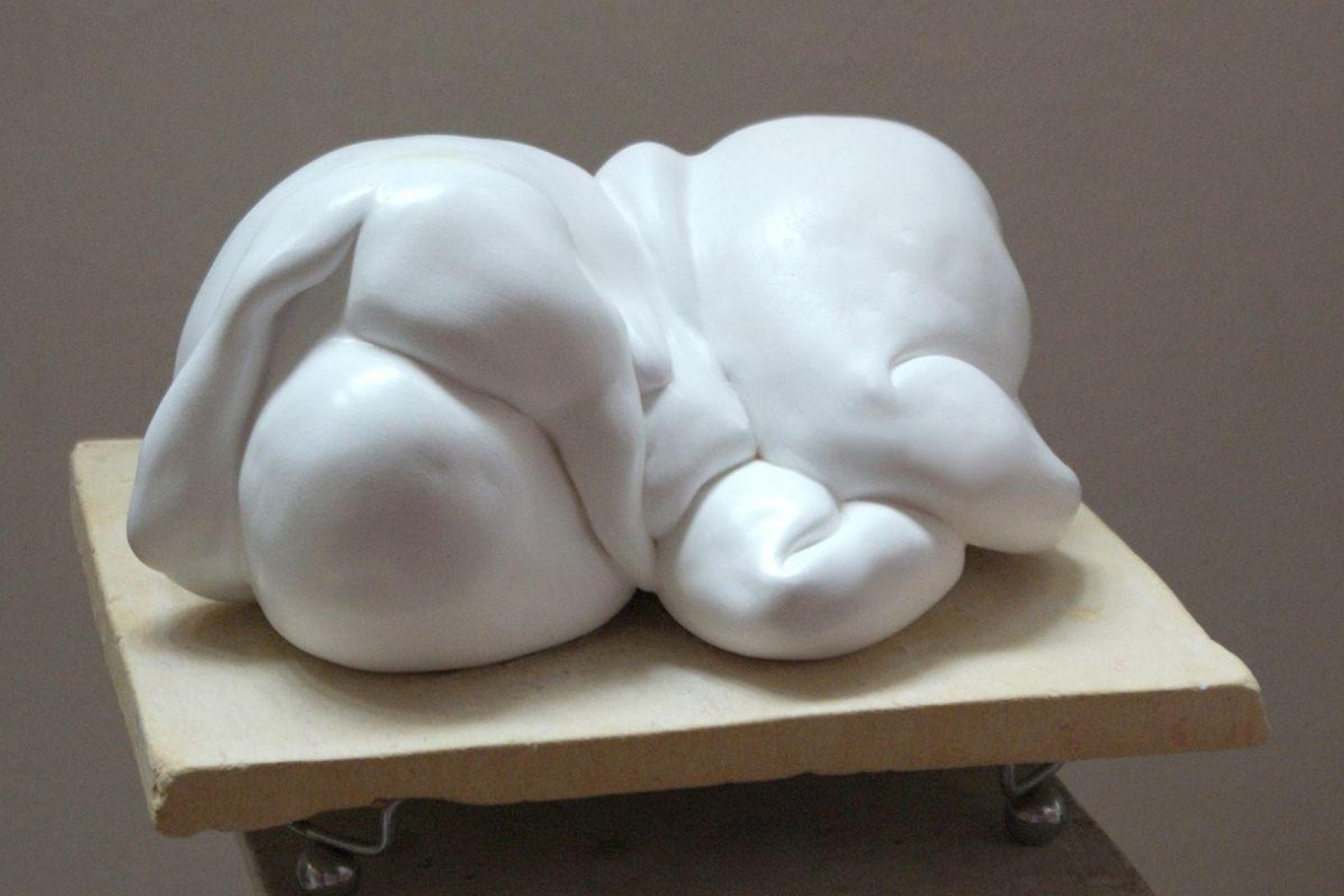

The idea of the posthuman has moved from science fiction into galleries, installations, and digital works, and now artists are trying to make sense of it by creating a kind of taxonomy.
Rather than treating “posthuman” as one single future, this approach breaks it down into different forms and tendencies that keep appearing in contemporary art. There are works that imagine the body fused with technology, where flesh, implants, and machines blur until it’s hard to tell where biology ends and design begins. Other pieces explore consciousness uploaded, cloned, or distributed, asking what happens to identity when memory and self can be copied or stored outside a single body.
Then there are the ecological versions of the posthuman, where humans are no longer the center of the story and instead exist as one species among networks of animals, plants, AI, and climate systems. Some artists lean into the speculative and utopian, picturing hybrid beings that have transcended aging, labor, or borders. Others go darker, showing the posthuman as fractured, commodified, or controlled by corporations and algorithms.
What ties these strands together is a shared question about what comes after “human” as we’ve defined it for centuries. The taxonomy isn’t meant to be neat or final. It’s more like a map of how artists are testing the edges right now, using sculpture, video, bio-art, VR, and AI to picture bodies and minds that are networked, mutable, and no longer bound by the limits we once assumed were fixed.
In that sense, the exhibition or body of work becomes less about predicting the future and more about cataloging our current anxieties and hopes. It asks us to look at all the different ways we are already becoming something else, and to decide which versions of the posthuman we actually want to live with.