

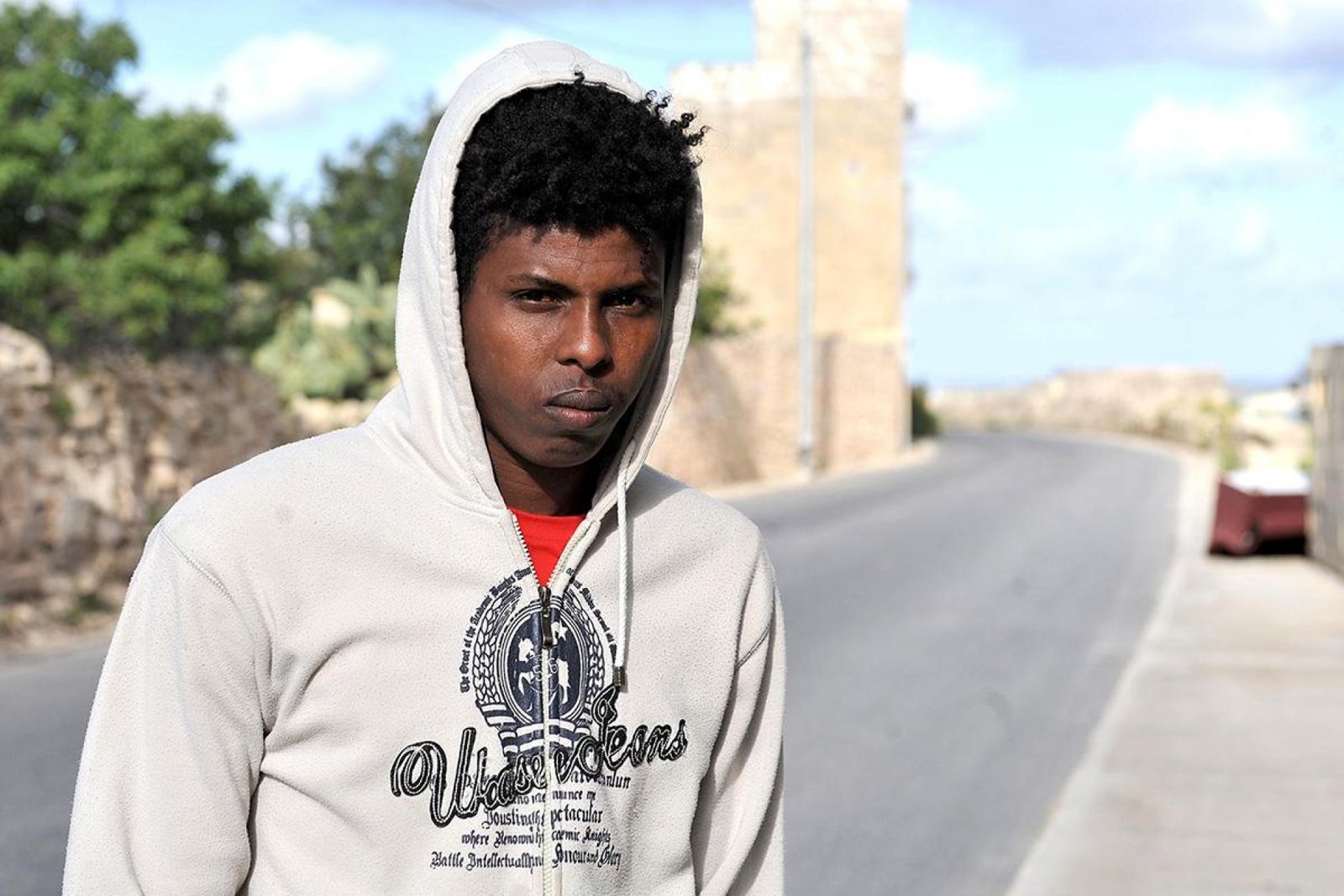
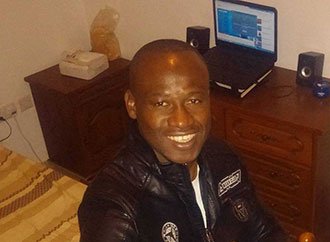
The racist hit-and-run that still haunts May Malimi is a story that began nearly eight years ago, when May Malimi was left unconscious on the side of a Birżebbuġa road with a fractured collarbone in a racially motivated hit-and-run, and that still has not ended, because now 24, Malimi still bears the scars of a hit-and-run for which one man has so far been convicted and jailed for eight years, and he is still scared to venture outdoors, telling Times of Malta after the sentencing this week, I’m always scared about going out in case it happens again, a sentence that captures in a few words what eight years of waiting, of fear, of pain, and of a justice system that moved slowly and imperfectly, has done to a young man who was only 17 when he was hit. On Thursday, former soldier Lorin Scicluna was jailed for grievously injuring Malimi in February 2019, with Madam Justice Natasha Galea Sciberras saying the court wanted to warn against racial hatred when she handed down the sentence, and the sentencing followed a trial by jury in which Scicluna was acquitted of the murder of Lassana Cisse and the attempted murders of Mohammed Jallow and Ibrahim Bah in April of 2019, and the attempted murder of Malimi in February 2019, with the jury finding Scicluna guilty of grievously injuring Malimi and of using a vehicle without registration plates, by six votes to three on the grievous injury charge, and by eight votes to one acquitting him of attempted murder, while another former soldier, Francesco Fenech, faces separate proceedings, with his trial set to take place next year, and while Times of Malta understands that none of the victims, or Cisse’s relatives, were informed that the trial was about to start, a failure that left Malimi, who like Cisse’s relatives, was disappointed with the murder acquittal, saying the eight-year punishment for the grievous injury conviction was better than nothing, a phrase that is both a relief and an indictment, because it suggests that after so long, any punishment feels like something, even if it cannot undo what was done. The hit-and-run of Malimi, from Chad, had come to light when Times of Malta interviewed him on Triq il-Ġebel where he had been left for dead, two days after the murder of Cisse on the same road, and the 17-year-old had been hit on a Friday night in February, on 1 February 2019, and found in a pool of blood by two Somali men, who took him to the Ħal-Far centre and asked for an ambulance, and he spent four days in hospital but, despite his medical report flagging the diagnosis as a motor vehicle accident, Malimi was never questioned or contacted by the authorities until Times of Malta spoke to him in April 2019, a gap of more than two months in which a young Black man, left for dead on a dark road, was treated as if his story did not matter, as if his injuries were just an accident, as if no one needed to ask who had done this to him, and why. Malimi is today based in the UK, where he is studying, trying to build a life far from the road where he was left, but he still bears a scar across his shoulder and sometimes gets a shock of pain in his shoulder and down his back, and the biggest impact, though, is living in constant fear, a fear that follows him into the street, into the night, into every moment when he has to decide whether to go out, whether it is safe, whether it could happen again, and that fear, as Regine Nguini, director of the African Media Association Malta, said, is not his alone, because the fear we felt seven years ago when Lassana was murdered is still there, still alive in the community, still haunting the men who survived, the families who lost someone, and the young people who came to Malta hoping for safety and found instead that they could be targeted for the colour of their skin, run over, shot at, left on a road, and then forgotten, and Malimi’s story, with its eight-year sentence, its acquittals, its errors in the indictment that reduced the maximum sentence from twelve years to nine, its prosecution that failed to summon the main witness in another case, and its victims who were not told the trial was starting, is therefore not just one man’s story, it is Malta’s story, a story about racism, about justice delayed and denied, about a young man from Chad who was left for dead in Birżebbuġa, and who, eight years later, is still waiting to feel safe enough to simply go outside.
The Racist Hit-And-Run That Still Haunts May Malimi
Share on
Related posts

Three Men Jailed For Six Months Over Possession Of False Travel Documents
Three men have been sentenced to six months effective imprisonment after pleading guilty…

Man, 80, Grievously Injured After Demolition Site Collapse On First Day Of Works
An 80-year-old man was left grievously injured after a demolition site collapsed on…

Police Summoned John Cassar Hours Before Mother’s Murder In Mqabba
Police had reportedly summoned John Cassar just hours before his mother’s brutal murder…

Lassana Cisse Found Face Down In A Pool Of Blood As Headphones Played
More than seven years after Malta was shaken by what is believed to…
1,600 On-The-Spot Fines Issued In Two Months
Authorities have issued around 1,600 on-the-spot fines in just two months as part…

‘She Was Ready To Start A New Chapter’: Sister Of Murdered Charlotte Zammit
“She was ready to start a new chapter,” said the sister of Charlotte…

Search
About us

MALTA BULLETIN
Discover Latest News, Hot Topics, Politics and Entertainment News With Malta Bulletin