

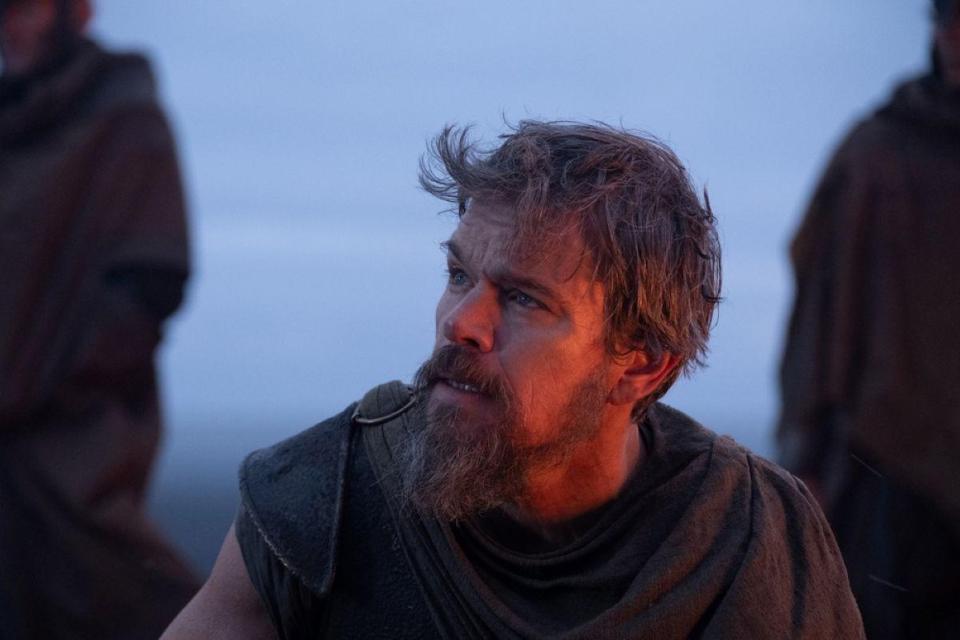
Odysseus couldn’t simply walk through the door of Ithaca and announce “I’m home” because his return was tangled in ten years of war, ten years of wandering, and the dangerous politics he left behind.
When the Trojan War ended, he was not welcomed back as a hero with open arms. The gods were still angry with him, especially Poseidon, and his journey home turned into a series of trials that scattered him across the Mediterranean. By the time he reached Ithaca, more than twenty years had passed since he’d last seen his palace.
But time had not stood still in his absence. Suitors had moved into his home, eating his food, courting his wife Penelope, and assuming that Odysseus was dead. To declare himself openly would have meant walking into a house full of armed men who had every reason to kill him and take his throne. His household was unstable, his son Telemachus was young and vulnerable, and his own identity as king had faded from memory for many.
So Odysseus chose disguise over declaration. With the help of Athena, he returned as a beggar, testing loyalties, gathering information, and planning how to reclaim his home without being immediately overwhelmed. Saying “I’m home” would have given away the one advantage he had left: surprise. Only after he understood who could be trusted, after he strung his great bow, and after he proved himself did he reveal who he was.
In the world of the Odyssey, homecoming isn’t just about geography. It’s about power, recognition, and survival. Odysseus had to earn his name again before he could safely speak it.