

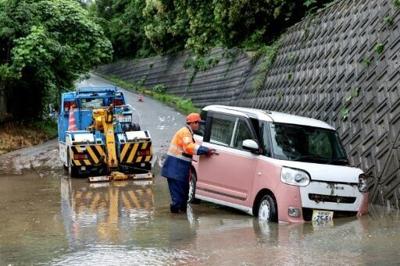
Four people were injured and numerous flights cancelled in Japan as twin storms approached the country, bringing severe weather conditions that disrupted transport and prompted widespread safety alerts. The approaching systems generated strong winds, heavy rain, and rough seas across several regions, leading authorities to issue evacuation advisories and suspend services to protect residents and travelers. Airlines preemptively cancelled domestic and international flights, citing dangerous conditions for takeoff and landing, while rail operators adjusted schedules and ferry services halted operations along affected coastlines.
Emergency responders dealt with incidents linked to the deteriorating weather, including the injuries reported as wind and debris impacted urban areas. Local governments activated disaster response protocols, opening shelters and urging people to secure property, avoid unnecessary travel, and stay updated through official channels. Meteorologists tracked both storms closely, warning that the combined effect could intensify rainfall and increase the risk of flooding, landslides, and storm surges in low-lying areas.
The situation highlighted Japan’s vulnerability to concurrent weather systems during typhoon season, with infrastructure and public services placed under strain as they managed overlapping threats. Officials emphasized preparedness and coordination between national and prefectural agencies, noting that early cancellations and public compliance with advisories help reduce casualties and damage. As the storms move closer, monitoring continues and recovery plans are being readied to address any further impacts once conditions improve.