

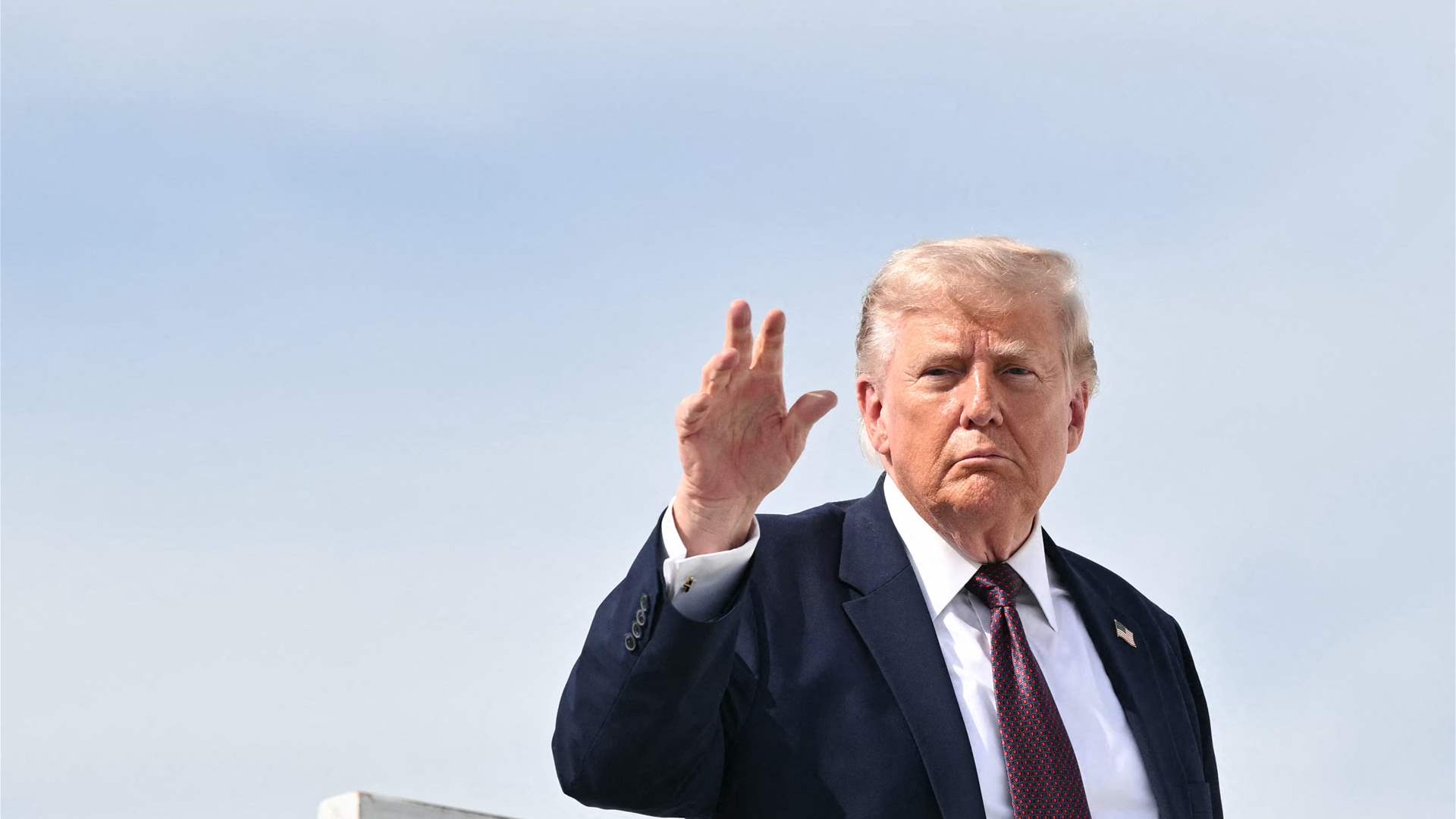
The US Supreme Court blocked Donald Trump’s attempt to fire a Federal Reserve governor, delivering a significant blow to the White House and reinforcing the central bank’s independence from political interference. The ruling addressed whether a president has authority to remove a sitting Fed governor at will, a question with major implications for the separation of monetary policy from partisan pressure. By rejecting the dismissal, the Court upheld statutory protections that limit removal to cases of cause, such as neglect of duty or malfeasance, rather than policy disagreements or changes in administration.
The decision came after the White House moved to oust the governor amid tensions over interest rate decisions and broader economic strategy, arguing that greater alignment with executive priorities was necessary. Legal challenges followed, with opponents warning that allowing unilateral firings would undermine the Fed’s credibility and destabilize markets by politicizing decisions meant to be guided by long-term economic data.
In its opinion, the Court emphasized the structural safeguards Congress put in place to insulate the Federal Reserve, noting that independence is essential for managing inflation, employment, and financial stability without short-term political considerations. The outcome restricts presidential control over the Fed’s leadership and sets a precedent that future administrations are likely to cite when navigating conflicts with the central bank. Market analysts viewed the ruling as a reaffirmation of institutional norms, while the White House signaled disappointment, framing the decision as a constraint on its ability to shape economic policy.