
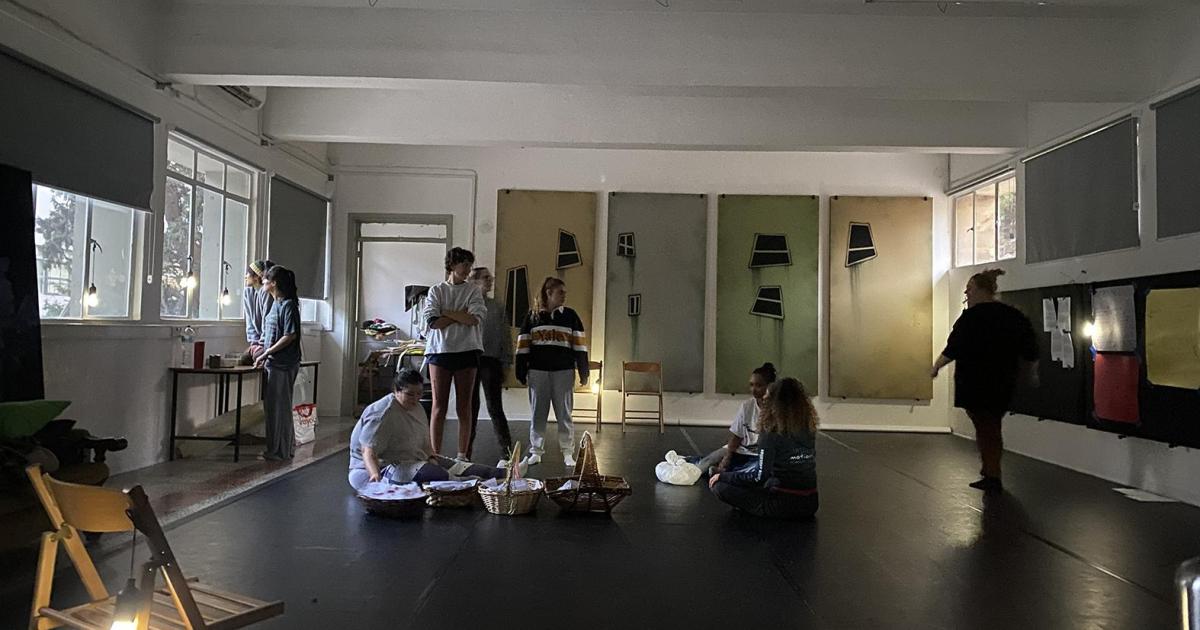
‘Ġimgħa l-Ħabs’ brings Malta’s forgotten women prisoners to the stage, presenting a theatrical work that recovers overlooked histories and places them in front of contemporary audiences. The production draws on archival research, testimonies, and historical records to reconstruct the lives of women who were incarcerated in Malta across different periods, many of whose stories have remained outside mainstream accounts of the country’s past. By focusing on these figures, the play examines the social, legal, and economic conditions that led to their imprisonment and explores how gender shaped their experiences within the justice system.
The staging uses a combination of narrative, performance, and period detail to move beyond statistics and case files, giving voice to individual women whose cases reflect broader patterns of poverty, marginalization, and moral policing. It looks at charges that ranged from petty theft and vagrancy to offenses tied to survival, relationships, and social control, showing how the law often intersected with cultural expectations of womanhood. The production does not limit itself to a single era but instead traces connections across decades, highlighting continuities in how female incarceration was handled and how society remembered, or failed to remember, those women afterward.
Bringing this material to the stage serves a dual purpose. It functions as a work of theatre while also acting as a form of public history, prompting reflection on which lives are recorded and which are left out. The creative team worked with historians and community sources to ensure the portrayal was grounded in fact, while using the immediacy of performance to make the archive tangible. The title itself, which references the prison context, signals the focus on confinement but the scope of the work extends to questions of freedom, stigma, and legacy once the sentence ended.
‘Ġimgħa l-Ħabs’ contributes to a wider conversation in Malta about reclaiming hidden narratives and examining institutional memory. By placing these women at the center of the narrative, the production challenges audiences to reconsider familiar histories and to acknowledge the complexity of lives that were once dismissed or erased. The result is a piece that is both an artistic interpretation and a cultural intervention, using the stage to restore visibility to those who spent time behind prison walls and were later forgotten.