
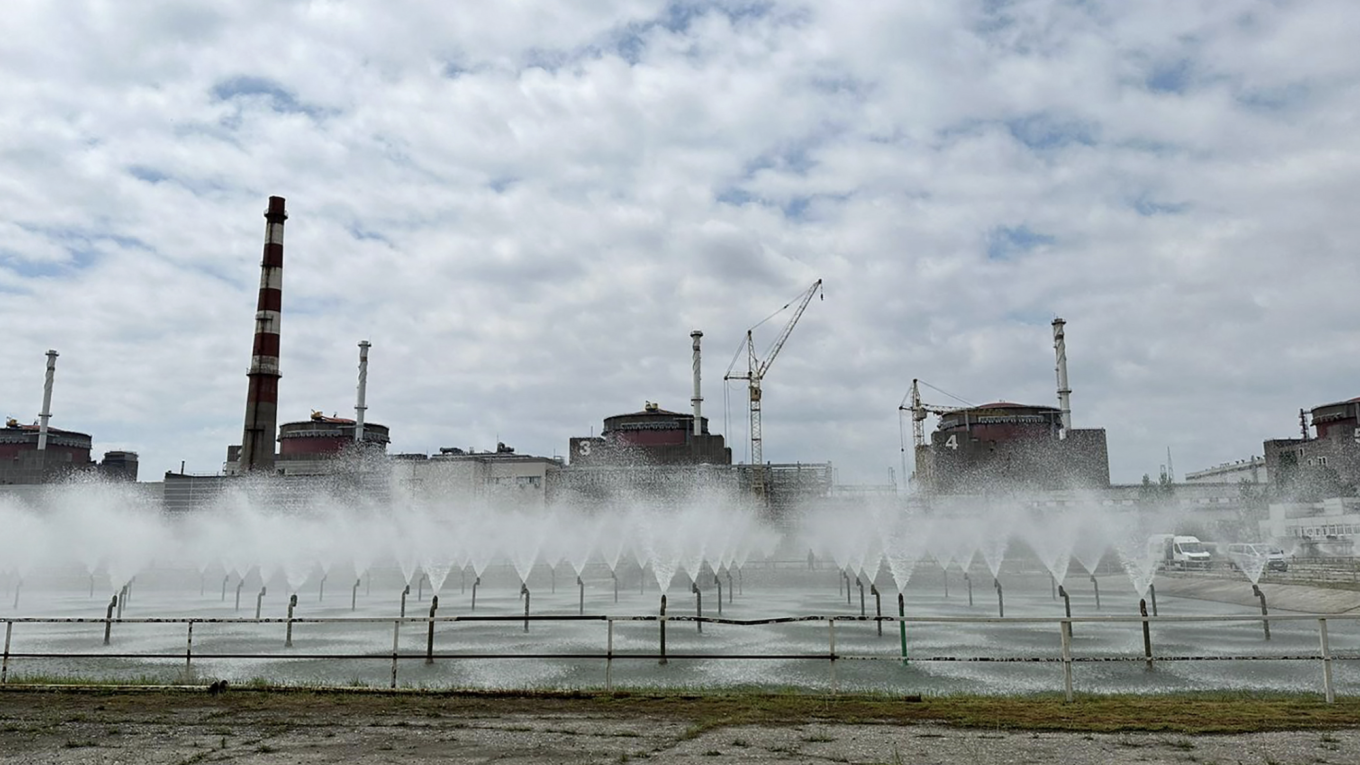
A drone struck the turbine building of the Zaporizhzhia Nuclear Power Plant in Russian-occupied southern Ukraine on Saturday, the International Atomic Energy Agency reported, reviving fears of a nuclear incident at Europe’s largest atomic facility. According to the IAEA, the Russian-run plant’s operator informed the agency that the drone hit the building and “reportedly caused a hole in its wall”. Russian state-owned nuclear firm Rosatom accused Ukraine of a deliberate attack, alleging the drone was guided by a fibre-optic cable that ruled out an accidental strike and calling the incident “one step closer” to a catastrophe that could affect populations far beyond Russia and Ukraine. Kyiv strongly denied responsibility, with Ukraine’s Foreign Ministry calling the claims illogical and describing them as “yet another information operation by the occupying state”. Ukrainian officials noted it made no sense for Ukraine to target a plant on its own territory that it seeks to regain under sovereign control.
The Zaporizhzhia plant, seized by Russian forces in March 2022, sits close to the front line and has been the focus of repeated mutual accusations since the invasion began. IAEA Director General Rafael Grossi expressed serious concern, reiterating that “there should be no attack of any kind from or against the plant” and warning that “attacking nuclear sites is like playing with fire”. He said the agency’s team at the Russian-held site had requested access to examine the affected turbine building first-hand. Rosatom stated the strike did not damage core equipment, only blowing a hole in the machine room wall. The IAEA noted this would be the first drone attack within the plant’s perimeter since April 2024.
The incident comes amid intensified cross-border strikes, with Ukraine reporting it shot down 212 of 299 Russian drones overnight while Russia said debris sparked a fire at a fuel storage facility in Rostov. The Zaporizhzhia facility has remained a focal point of international concern throughout the war, with both Moscow and Kyiv accusing each other of actions that risk a nuclear accident. Grossi has repeatedly appealed for maximum military restraint near all nuclear facilities to avoid safety risks, and the IAEA maintains permanent observers at Zaporizhzhia and Ukraine’s three other functioning nuclear stations.