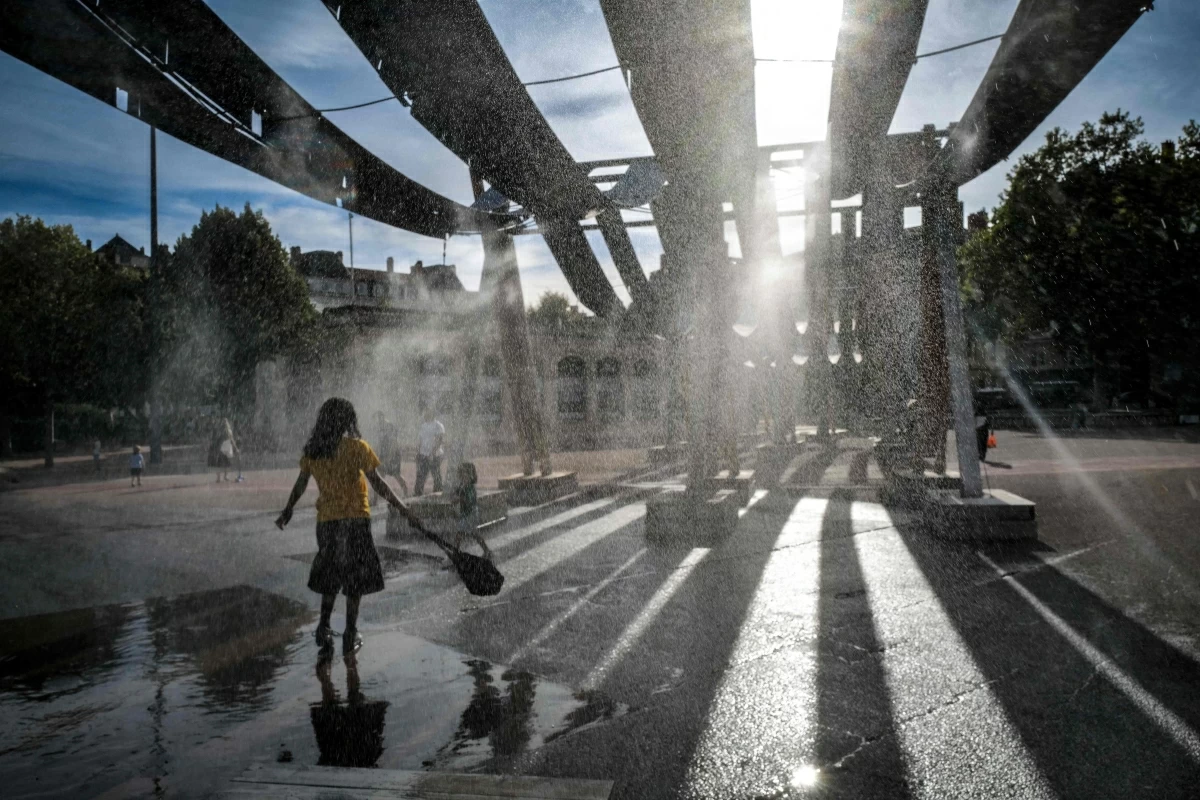

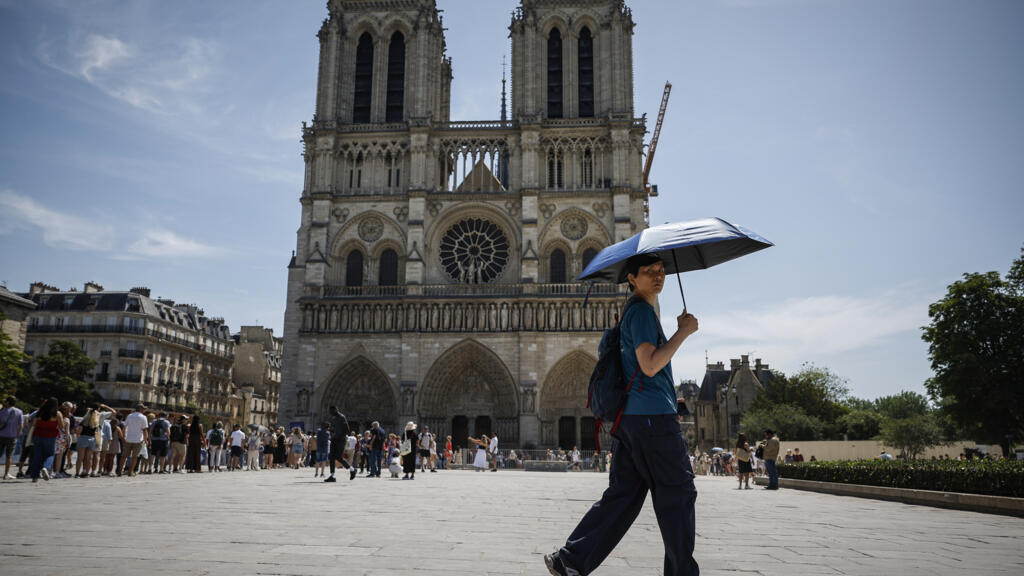
France’s weather service Meteo-France warned on May 30, 2026, that strong storms could mark the end of a record-breaking heatwave that has been blamed for a number of deaths across northern Europe. The heatwave produced the hottest May day in French history on Monday, May 25, with temperatures reaching 32 to 35°C across most of the country and peaks of 36°C in the west, while some stations near Hossegor in southwestern France recorded 37.1°C and the Charente department hit 37.8°C. Climatologist Christophe Cassou described the episode as an “unprecedented, millennial-scale event,” with about a one-in-1,000 chance of occurring at this time of year compared to the 1979-2025 climate, and noted it would have been virtually impossible in the pre-industrial climate before human-caused warming. Temperatures were 10 to 15°C above seasonal norms and broke previous records by 2 or 3°C.
The extreme heat has had deadly consequences. Seven people have died in France directly or indirectly due to the heat wave, including five drowning fatalities in lakes, rivers or beaches and two deaths related to extreme heat during sports events, according to Junior Energy Minister Maud Bregeon. A 53-year-old man died during a running event in Paris and a woman died at a Hyrox sports event in Lyon, with France’s Minister of Sports Marina Ferrari calling the deaths a “stark reminder that practicing sports in extreme heat requires absolute vigilance.” Hospitals have felt the strain, with the Centre Hospitalier Universitaire in Rennes reporting a 15% to 20% increase in emergency room visits and a 30% increase in SAMU activity over the Pentecost weekend, as patients of all ages fainted from sunstroke or heatstroke.
While the heat “spell” has not officially met the thresholds to be classified as a heatwave, with the national temperature index at 24.8°C against the 25.3°C required, Meteo-France specialist Mattieu Sorel said it could still happen in the coming days. The agency placed eight western departments under orange heatwave alert, indicating intense heat that could pose health risks, and 18 departments under yellow alert, the first time the system has been activated so early in the year. The heat also triggered ozone pollution, with concentrations jumping 25% in Ile-de-France over the past decade, creating a “suffocating double health burden” for people with respiratory conditions.
Meteo-France said that “the arrival of a slightly cooler air mass” would bring down temperatures on the night of May 30, but warned of storms across northern France that would be “localised but sometimes strong with hail and wind gusts” of more than 80 km/h. It cautioned that huge crowds packing the streets of Paris for the Arsenal-Paris Saint-Germain Champions League football final, as well as the French Open tennis and major concerts, should be wary of weather alerts. The heat saw train services cancelled and power cuts in some cities, and authorities reiterated prevention advice to stay cool, limit physical activity, and drink water several times a day. Sorel added it was “highly likely” that the country would see more extreme heatwaves this summer, as climate change has made breaking May temperature records around three times more likely than without greenhouse gas emissions.