
Tourist areas across Malta are set to receive enhanced monitoring and stricter enforcement of noise levels as authorities respond to growing public concern about excessive disturbance from entertainment venues, construction, and boat parties near residential zones. The Malta Tourism Authority’s Compliance & Regulatory Department, which is mandated under the Malta Travel and Tourism Services Act to uphold standards through regular inspections of licensed establishments, is intensifying its oversight role and working closely with operators to raise compliance beyond minimum legal requirements. Officers are coordinating with the Food Safety & Security Authority, Health Department, Lands Authority, Police, and Trade Department to ensure that tourism operations meet both legal and quality standards, with particular focus on nightlife hotspots such as Paceville and Swieqi where residents have repeatedly complained of disproportionate night-time noise.
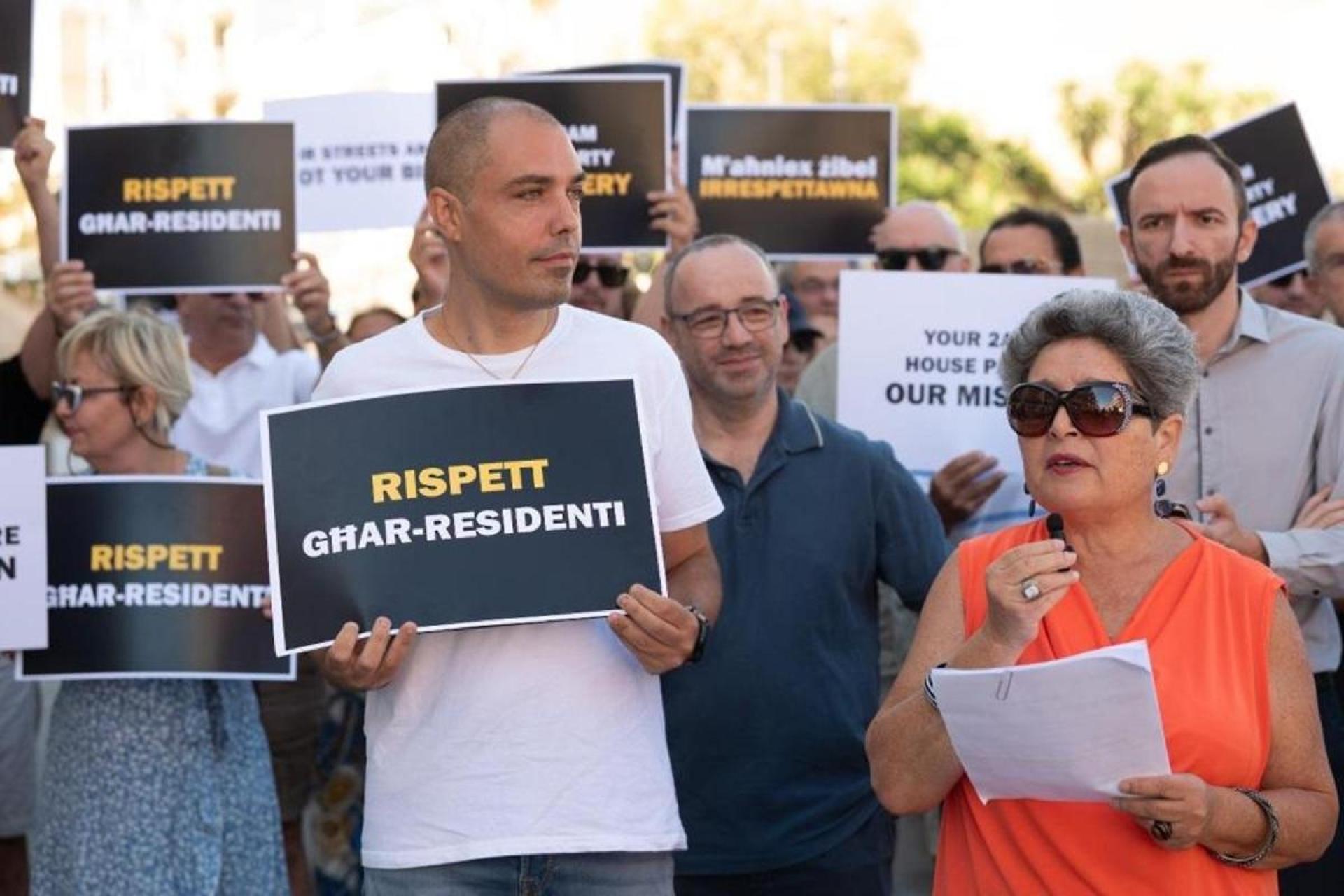
The move follows findings from a European Parliament report commissioned by MEP Peter Agius, which confirmed that Maltese residents are exposed to noise levels considered harmful to health, primarily from the entertainment industry and construction, but also from road and aircraft traffic. The study identified noise as the second most significant environmental health risk in Europe after air pollution, noting that risks are intensified in Malta due to high population density and limited scope for mitigation once development has taken place. Among its 13 recommendations, the report calls for Malta to broaden noise monitoring to include construction and entertainment sources, introduce sound limiters in venues, strengthen regulatory approaches similar to those used for industrial emissions, improve public access to noise information, and create a dedicated national body to coordinate noise policy.
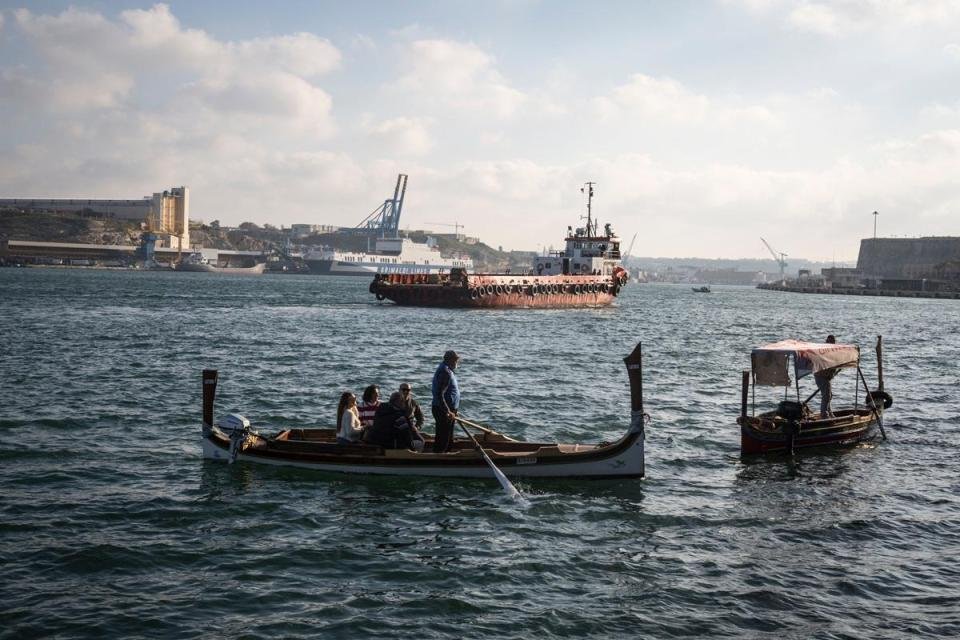
Recent interventions underscore the shift toward stricter control. After complaints about excessive noise from commercial boat parties operating close to bays and harbours, the Office of the Ombudsman facilitated discussions between Transport Malta and the Malta Police Force, leading to revised Notice to Mariners No. 115 of 2025. The notice imposes clear obligations including a requirement to stop music by 11:00 p.m., a ban on sound checks in ports or bays, and mandates that amplified music be reduced to minimal levels near residential and environmentally sensitive areas. Enforcement provisions were also outlined to ensure compliance, with the Ombudsman stressing that commercial vessels must adhere to strict noise control measures at all times.
Broader European human rights jurisprudence has also shaped the approach. The European Court of Human Rights has made clear that severe night-time noise interferes with the enjoyment of a person’s private life and home, and that the State must act even where disturbance is caused by private business. Existence of laws is not enough without consistent enforcement, and the Court has ruled that where authorities acknowledge serious nuisance and allow systematic non-compliance, the required fair balance between economic activity and residents’ rights is not met. In Malta, where regular nightlife establishments are licensed close to residential areas and residents have complained without effective remedy, public bodies are now under pressure to act on these judgments.
The enhanced monitoring aligns Malta with a wider European trend toward disciplined tourism management. Countries such as Spain, Italy, and Croatia already employ on-the-spot fines for public nuisances including excessive noise, littering, and inappropriate attire in historic centers. Maltese proposals similarly target behaviors that have caused friction, from loud music and property damage to tourists wandering urban areas in swimwear, signaling that streets are not extensions of beaches. While the objective is not to do away with nightlife, authorities state that regulation and enforcement must protect residents from disproportionate harm. The Environment and Resources Authority is also updating Malta’s Noise Action Plan, which aims to prevent and reduce environmental noise, monitor exposure, and preserve relatively quiet areas in the agglomeration and open countryside. Together, these measures mark a move toward balancing Malta’s vital tourism economy with citizens’ fundamental right to a quiet environment and rest times protected under EU directives.