
The Malta School of Music today is positioning itself for comprehensive professional renewal, guided by a mid- to long-term vision that directly aligns with the National Education Strategy 2024-2030 and Malta Vision 2050. These national frameworks provide the strategic scaffolding for the school’s development, anchoring its work in three central pillars of well-being, growth and empowerment, and equity and inclusion, while also embracing the wider commitment to a future that is inclusive, sustainable, and resilient. This alignment ensures that the School of Music does not operate in isolation but rather reimagines its role as the country’s national music institution within a broader educational and cultural ecosystem that values lifelong learning and artistic excellence.
Marking its 50th anniversary on December 3, 2025, at Verdala Castle under the patronage of President Myriam Spiteri Debono, the school used the milestone not merely for celebration but as an opportunity for collective reflection on the life of its teaching and learning community. That reflection recognizes that, like all national institutions, the Malta School of Music must continually reconcile its past, reflect on its present, and embrace future challenges in order to remain relevant in a rapidly changing world. The institution is therefore committed to ensuring its practices remain current and relevant to 21st-century educational and artistic rationales, drawing on well-informed research that distinguishes music education from music in education within the compulsory framework.
Professional renewal at the school is being driven by an emphasis on high-level academic and artistic experience, with efforts to identify and address existing needs through reflection and the promotion of good practice. This includes developing distinctive core skills for learners in higher education such as aural and sight-singing, analysis, part-writing, composing, keyboard harmony, and improvisation, alongside effective teaching approaches like student-centred and inquiry-based learning, creative use of digital technologies, and assessment through portfolios. The school’s Voice Department has already taken concrete steps in this direction with the launch of its Opera Studio in February 2022, offering advanced singers opportunities to explore stagecraft and work with professional conductors and directors, thereby equipping them to be all-round performers.
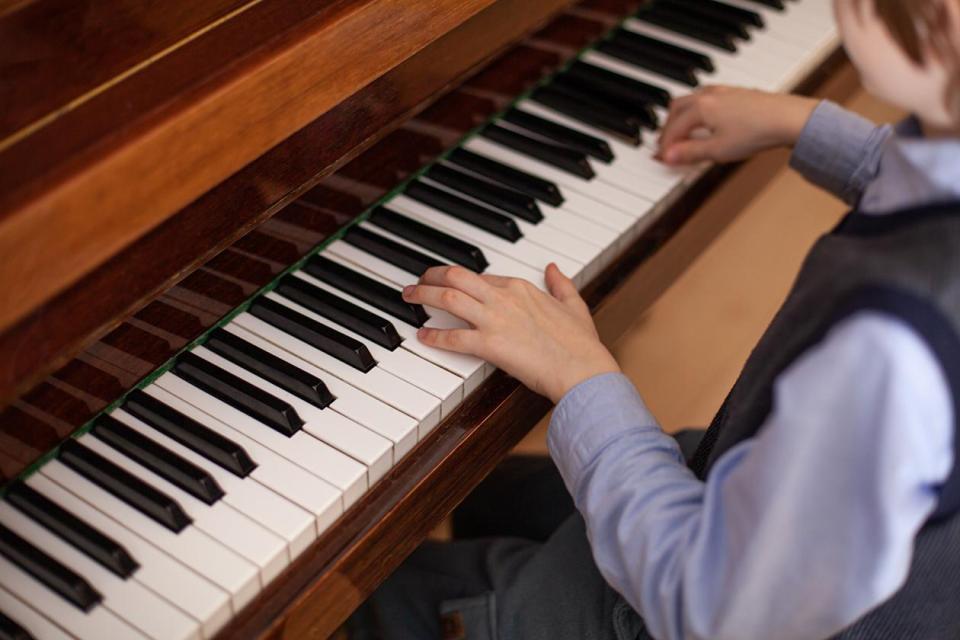
Looking forward, the Malta School of Music aims to serve as a hub that connects tradition with innovation, nurturing personal expression, imagination, and creativity while ensuring students acquire research skills, technological fluency, and the ability to analyse and create musical materials coherently. By embedding these competencies and aligning with national strategies for quality assurance and professional recognition, the school seeks to elevate the status of music educators and performers, contribute to Malta’s cultural and educational landscape, and prepare students for international-level artistic careers without losing sight of the community and heritage that shaped it.