
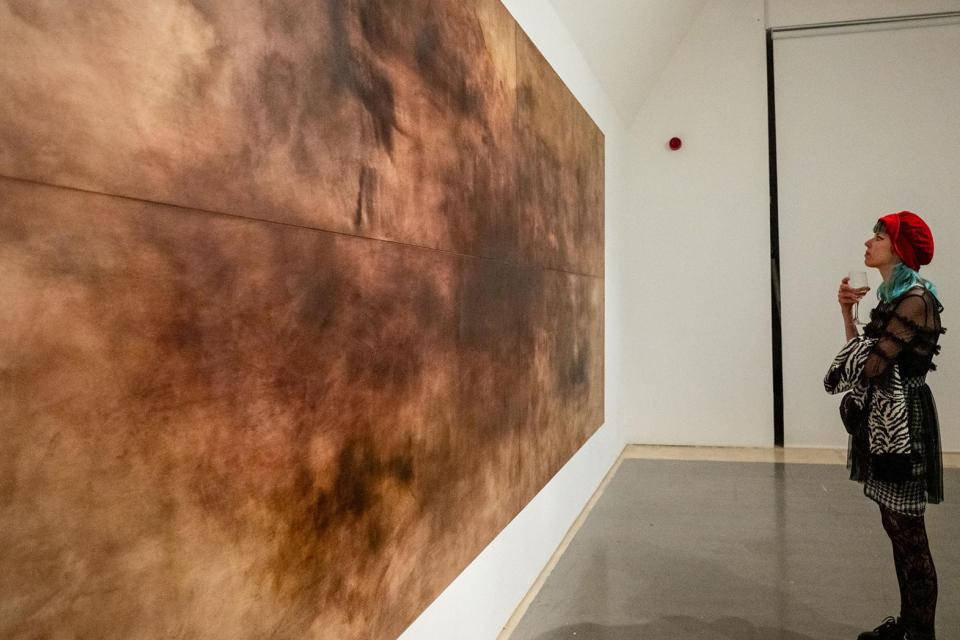
The concept of measurement is being reexamined through the lens of art, moving beyond rigid numerical frameworks to explore more human and interpretive ways of understanding value, progress, and impact. Traditional metrics often reduce complex experiences to data points, but artists and thinkers are now using creative practice to capture nuance, emotion, and context that numbers alone cannot convey. This approach challenges the dominance of quantitative assessment in fields like education, business, and social policy, where success is usually defined by statistics, rankings, or financial outcomes.
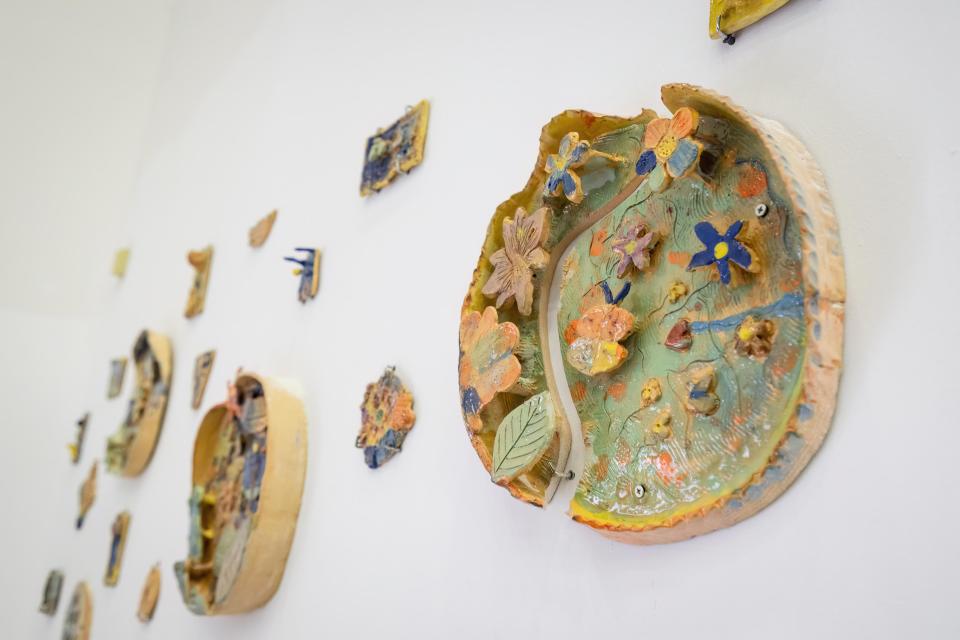
By integrating artistic methods, measurement becomes a reflective process rather than a purely technical one. Installations, performance, visual narratives, and participatory works are being used to map community wellbeing, trace cultural change, or express individual growth in ways that resonate on a personal level. The shift acknowledges that some forms of knowledge are experiential and cannot be standardized without losing meaning.
Proponents argue that rethinking measurement through art encourages broader participation, invites diverse perspectives, and reveals insights that conventional tools overlook. It does not discard data but places it alongside story, texture, and lived experience to form a fuller picture. As institutions look for more holistic evaluation methods, this fusion of art and assessment offers a way to honor complexity while still informing decisions and policy.