
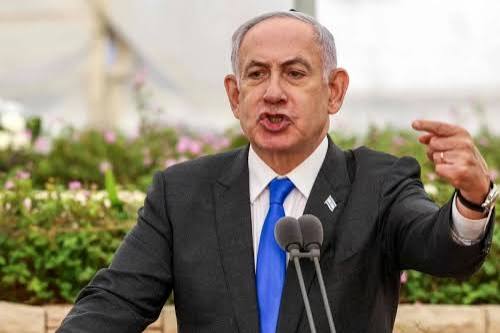
Benjamin Netanyahu will seek re-election this year, his Likud Party announced on Wednesday, 10 June 2026, after US President Donald Trump publicly questioned whether the Israeli prime minister would run again. In a brief statement, Likud said Netanyahu would contest the election and, “God willing, he would win.” While the vote has not yet been formally announced, Israeli law requires it to be held by October. The announcement came hours after ABC News Chief Washington Correspondent Jonathan Karl posted on X that Trump had told him he did not know if Netanyahu would stand, adding, “I don’t know, he’s had an amazing career. Does he want to continue?”
The election will be Israel’s first since the 7 October 2023 Hamas attack, the country’s worst security failure, which precipitated the assault on the Gaza Strip and subsequent conflicts in Lebanon and Iran. Netanyahu returned to power in December 2022 at the head of the most right-wing coalition in Israeli history, and his current term has been marked by mass anti-government protests over judicial reforms, followed by grinding warfare on multiple fronts. Since February 2026, Israel and the United States have been engaged in a joint campaign against Iran that began with coordinated strikes and has since expanded into a broader regional confrontation, including repeated exchanges with Hezbollah and Iranian-backed groups. The wars have stretched the Israel Defense Forces, strained the economy, and left much of northern Israel near the Lebanese border largely uninhabitable.
Polls suggest a difficult path for the incumbent. A survey published on 9 June by the Israel Democracy Institute found that 61% of the Israeli public believe Netanyahu should not run again, and repeated polls indicate his coalition would fail to secure a Knesset majority. One March poll showed Likud winning 28 of the Knesset’s 120 seats, down from 34 at present, with the coalition holding only 51 seats. Yet the opposition also faces obstacles, as potential anti-Netanyahu alliances would likely fall short of a parliamentary majority unless they include Arab parties, a move some opposition leaders have ruled out.
US and Israeli officials say Trump and Netanyahu still maintain a close relationship, though it has shown strain in recent weeks as Trump presses Israel to curb military action in Lebanon while Washington negotiates a peace deal with Tehran. Analysts note that for Netanyahu, the Iran campaign has allowed him to pivot attention away from Gaza toward an issue where national consensus is strongest, though surveys show Israelis growing weary as the war drags on without a decisive end. The prime minister has told confidants he hopes elections will be held in September or October, giving him time to rebuild support after the summer holidays and before the anniversary of the October 7 attack. Despite the war strains, Trump doubts, and unfavorable polling, Netanyahu is betting that his security credentials and the unresolved regional threats will persuade voters to extend his tenure as Israel’s longest-serving prime minister.