

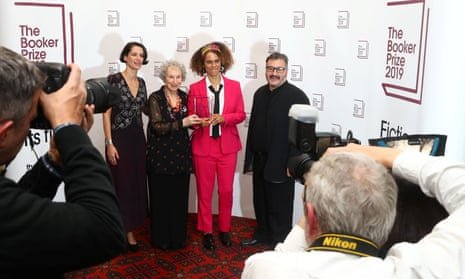
The Booker Prize judges pick the winner through a gruelling months-long process of reading, re-reading, arguing and gradually narrowing a huge field of fiction until only one novel remains, a process that has been a source of intrigue and drama since the prize launched in 1969 and which in 2026 saw a panel of five judges chaired by British classicist Mary Beard read 163 works of fiction in just six months. The panel, appointed afresh each year by the Booker Prize Foundation and made up of novelists, critics, academics and public figures from beyond publishing, including in recent years celebrities such as Jarvis Cocker and actor Sarah Jessica Parker, begins work around December when publishers submit titles within set limits, with judges also allowed to call in books that were not submitted so that small-press titles get a chance, and then receives cartons of about 30 books at a time to digest on a strict schedule of one a day or more, working under a shroud of secrecy and not allowed to divulge what they are reading. Unlike many other literary prizes, every judge is expected to read every entry, so as Beard put it, every book gets five chances to be noticed, and the judges end up taking a book with them wherever they go, with Beard once reading a few pages while waiting in a nightclub line and fellow 2026 judge Patricia Lockwood admitting she was standing up a lot and tossing books across the room during debates. After that first massive read, the judges create a longlist of 13 books, known as the Booker Dozen, then re-read them for the shortlist and repeat the process to pick a winner, using systems such as the traffic light method where each judge classes a book as green, amber or red, with Beard noting that the really interesting ones are where you get mixtures of red and green, before hashing it out in three-hour closed-door meetings, this year hosted at London’s Fortnum & Mason luxury store, where there were disagreements and Lockwood said at one point they tussled like pigs in the mud but eventually found ways to reach consensus. There is no fixed judging criteria, which has led to criticism in the past that the prize can seem arbitrary, so this year’s judges settled on two simple questions, would you read it again and would you recommend it, and ultimately found themselves looking for distinctly human books, wary of the threat of artificial intelligence, before whittling the 163 entries down to a shortlist of six including previous winners Douglas Stuart and Marlon James, with the winner announced in London on Monday to receive 50,000 pounds and see their career transformed.
Booker Prize: How Judges Pick The Winner
Share on
Related posts

ADPD, Momentum Slam Zoo Permits, Question Government’s Animal Welfare Commitment
ADPD, Momentum slam zoo permits, question government’s animal welfare commitment, after the two…

Majority Of Gozo Businesses Expect To Raise Prices, Survey Finds
Majority of Gozo businesses expect to raise prices, survey finds, after the latest…

Over 1,500 Participants Expected At Mediterranean Tourism Forum
Over 1,500 participants expected at Mediterranean Tourism Forum, as Malta prepares to host…
Ukraine Says Russian Strike On Southeast City Kills Two, Wounds Dozens
Ukraine says Russian strike on southeast city kills two, wounds dozens, after a…
Italy Voices Concern To Ukraine Over Attacks On Russian Ships In Libya
Italy voices concern to Ukraine over attacks on Russian ships in Libya, after…

Over 1,200 Foreign Nurses, And Their Union, Raise Concerns Over Budget Measures
More than 1,200 foreign nurses working in Malta, together with their union, have…






Search
About us

MALTA BULLETIN
Discover Latest News, Hot Topics, Politics and Entertainment News With Malta Bulletin