
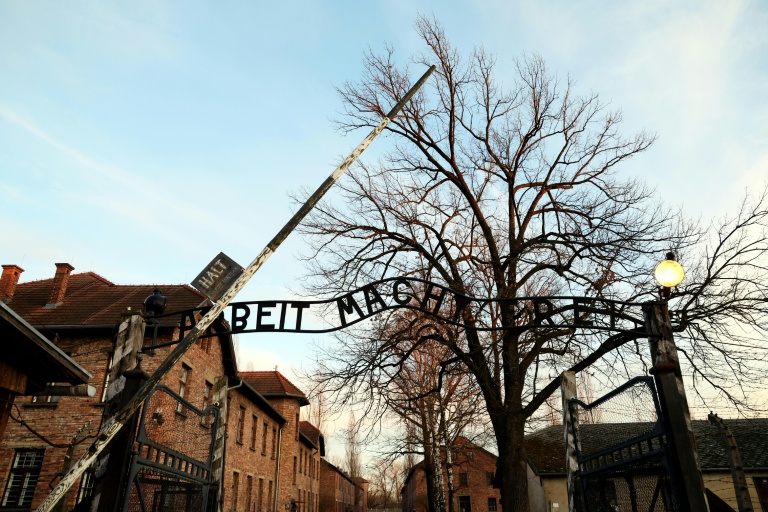
The rise of AI-generated content and clickbait has led to a surge in fabricated images and stories about the Holocaust, threatening to distort the historical record of Nazi crimes. Experts warn that this “AI slop” is being created for commercial gain or political motives, and is spreading rapidly on social media platforms. The content often depicts fake stories, such as a Czech violinist at Auschwitz or a little girl named Hannelore Kaufmann who never existed, and is designed to exploit people’s emotions and achieve maximum reach with minimal effort.
Holocaust memorials and commemorative associations have issued an open letter calling on social media platforms to proactively combat AI-generated content that distorts history and to exclude accounts that disseminate such content from monetization programs. German Culture Minister Wolfram Weimer supports this call, emphasizing the importance of respecting the millions of people killed and persecuted under the Nazis’ reign of terror. The consequences of trivializing or denying the Holocaust are evident in the attitudes of some younger visitors to concentration camps.