

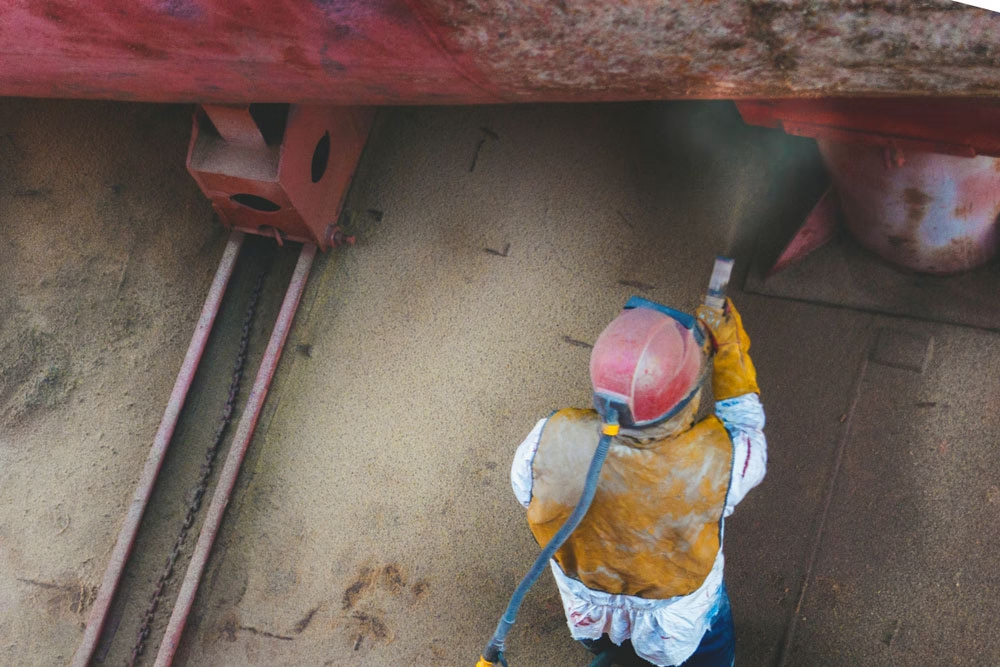
A recent incident involving an individual operating unpermitted sandblasting near a protected site has sparked interest in the regulatory framework surrounding such activities. Blasting operations, particularly those near protected structures or areas with significant human activity, are subject to strict regulations to prevent injury and damage to property. These regulations ensure that blasting is carried out safely and responsibly.
In South Africa, for example, the Mine Health and Safety Act’s Explosives Regulations require a risk assessment and written approval from the Principal Inspector of Mines before conducting blasting operations within 500 meters of structures that need protection. Key considerations for blasting operations include conducting thorough risk assessments, consulting with affected parties, monitoring blast hazards, and ensuring compliance with regulations.
Risk assessments involve identifying potential hazards and determining safe distances in consultation with explosives suppliers and subject matter experts. It’s also crucial to consult with the owners of affected structures and address their concerns. Calibrated monitoring equipment should be used to track and record blast vibrations, noise, and air-blast. Compliance with relevant regulations and guidelines is essential to prevent damage to property and minimize risks to people.
Organizations that focus on safety and environmental regulations can provide valuable guidance on navigating complex situations, and their principles can be applied to various contexts, including industrial operations like sandblasting. Ensuring that blasting operations are carried out safely and responsibly is critical to protecting people and the environment.