
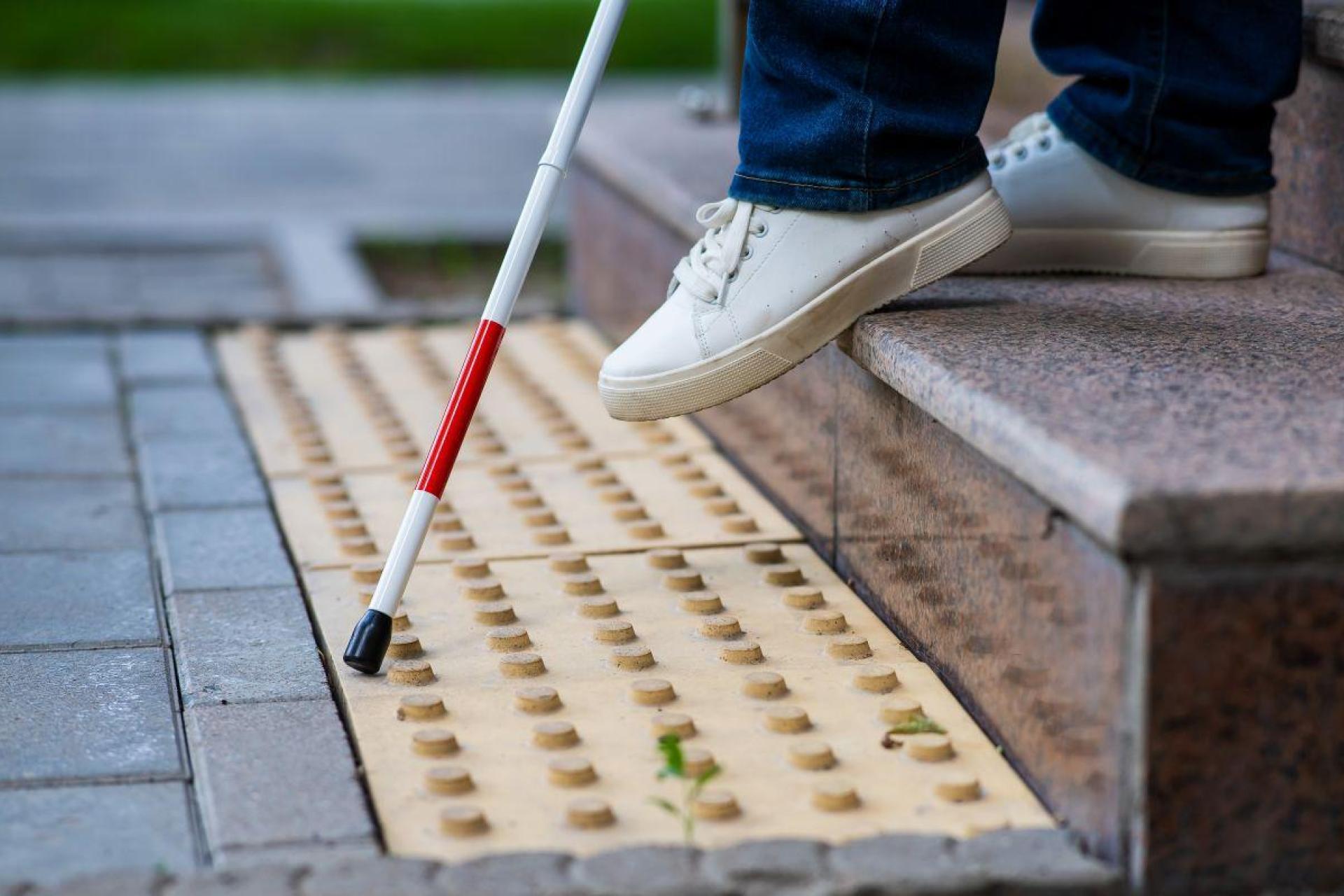
Visually impaired individuals in India face numerous daily barriers, from navigating public spaces to accessing education and employment. Simple tasks like grocery shopping or going to the doctor’s office become incredibly difficult due to lack of accessibility. According to the World Health Organization, approximately 2.2 billion people worldwide have a vision impairment or blindness, with many encountering obstacles in accessing transportation, buildings, and public facilities.
The absence of systematic accessibility infrastructure creates daily challenges, isolating individuals from educational, employment, and social opportunities. For instance, public transportation stations are only 25% accessible to people with disabilities, including visual impairments. Moreover, social stigma and misconceptions about blindness lead to discrimination, exclusion, and feelings of isolation.
However, there are efforts to address these challenges. The Indian government has implemented the Rights of Persons with Disabilities Act 2016, aiming to ensure accessibility and equal opportunities. Local innovations, such as AI-enabled assistive devices and smartphone-based navigation aids, are also being developed to enhance mobility and independence.