

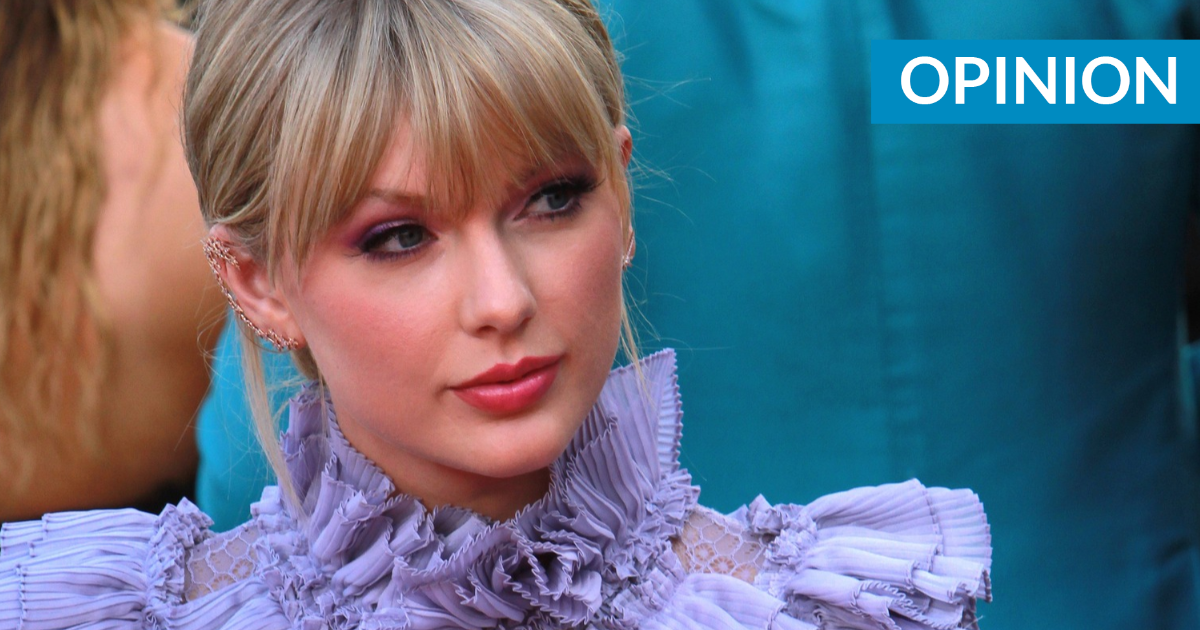
What Taylor Swift can teach us about power, perception and international relations is that in the twenty-first century power no longer travels only through tanks, warships, armies, central banks and formal diplomacy, because it also travels through copyright, algorithms, supply chains, popular culture, emotion, attention and data, and Swift, who does not command an army, run a central bank or send warships to blockade other countries, nevertheless shows how a cultural star can mobilise money, media, tourism, data, emotion and attention on a global scale, forcing governments, corporations and entire cities to regularly adjust their economic plans around the massive cultural events attached to her name, and proving that domination can come not only from the barrel of a gun but also from ownership of infrastructure, not only from occupation but also from dependency, and not only from commands but also from voluntary participation converted into profit. When we consider influential actors and where global power is concentrated in the international space, examples of heads of state, usually Western, mature-aged and male, major multilateral organisations and executives of dominant multinational corporations come to mind, yet Swift stands as a formidable force in a landscape where celebrity and politics increasingly intersect, with her influence going beyond the artistic and cultural influence typically affected by entertainers, into the political sphere where her endorsements and advocacy significantly shape public opinion and massively drive voter turnout, into the economic sphere where her global tours generate billions of dollars in revenue, benefiting economies worldwide and adding up to an amount more than the Gross Domestic Product of many individual nations, and into the legal sphere where her battles over masters, intellectual property, antitrust and consumer protection have led to US Senate hearings after the Ticketmaster fiasco in 2022 and calls to reform the Live Nation and Ticketmaster monopoly, with a pop fandom morphing into a consumer-rights movement holding a corporate giant accountable through collective action. This is celebrity diplomacy, a form of soft power made flesh, a form of public diplomacy reaching over the heads of governments to engage directly with foreign populations, a cousin to cultural diplomacy which uses the exchange of art and ideas to build bridges, and a prime specimen of citizen diplomacy, the great modern trend of non-state actors wading into the stream of international relations, illustrated when European Commission Vice President Margaritis Schinas publicly appealed in early 2024 not to the US President or Secretary of State but to Taylor Swift, hoping she might use her considerable platform to nudge young Europeans toward the ballot box in the European Parliament election, after a single Instagram post from Swift had recently driven a surge in voter registration back in the United States, and illustrated again when Singapore secured exclusive Southeast Asian rights for the Eras Tour, prompting the Philippines to construct a Taylor Swift Concert Ready arena to position itself more favourably in the battle to entice Swift and secure a stop when she tours next. Swift also teaches us about perception, because what separates her from her peers is not talent alone but authenticity, credibility and honesty, the way she exposes her flaws and holds herself accountable for them, the way she builds trust with fans and validates their anger, the way she uses her platform sparingly yet carefully to address political issues, from her 2020 decision to directly call out Donald Trump on social media, accusing him of stoking the fires of white supremacy and racism and warning we will vote you out, to her socially conscious songs focusing on women’s rights in Miss Americana and the Heartbreak Prince and LGBTQ+ rights in Welcome to New York and You Need to Calm Down, and to the solidarity principle at the heart of her work, which hints at progress we could make on human rights and women’s empowerment on a global scale, while her 2020 Netflix documentary Miss Americana offered a deeper glimpse into her engagement in politics and human rights concerns. The lesson for states is therefore not that listening to Taylor Swift makes you an imperialist lackey, nor that replacing the United States with BRICS or simply opposing Washington makes a camp liberatory, because the world cannot be neatly divided into one group of absolutely imperialist countries and another group of absolutely anti-imperialist ones, the system is layered, contradictory and uneven, and criticising American power is the beginning of analysis, not the end of it, so a better foreign policy, like Swift’s approach to relationships, would lean into authenticity, credibility, honesty, investment at home, respect for allies and multilateral institutions, and enforcement of international law while abiding by it too, rather than relying only on coercion, unilateral tariffs and boogeyman-ing the adversary, because Swift reminds us that real power today is the ability to shape behaviour not through coercion or payment but through attraction, through shared meaning-making, collective joy and emotional communities that cross borders, and through turning how individual fans react to and internalise music into global movements with the power for collective change.
What Taylor Swift Can Teach Us About Power, Perception, International Relations
Share on
Related posts

UN Slams Iran’s ‘Abhorrent’ Flogging Of Bareheaded Woman Singer
UN slams Iran’s abhorrent flogging of bareheaded woman singer, after the United Nations…

The Rocky Horror Show Hits The MCC Stage This Halloween
The iconic musical The Rocky Horror Show is set to hit the stage…

Ema Releases New Single ‘Imħabba’
Singer Ema has released her much-anticipated new single titled ‘Imħabba’, capturing the hearts…
Tim Curry Remembered By Those Who Stepped Into Frank-N-Furter’s Heels
Tim Curry is being fondly remembered by performers who have taken on the…

Dutch Walk Out Of Eurovision As ‘It’s No Longer Neutral’
The Netherlands has announced it is walking out of the Eurovision Song Contest,…
Odyssey Effect: Stars Sell Greece To A New Wave Of US Tourists
Greece is experiencing a surge in American visitors thanks to what is being…





Search
About us

MALTA BULLETIN
Discover Latest News, Hot Topics, Politics and Entertainment News With Malta Bulletin